The United States is preparing to impose a fresh round of tariffs on China, the European Union and a string of other major trading partners, after an investigation into what Washington calls excess industrial capacity in factories around the world.
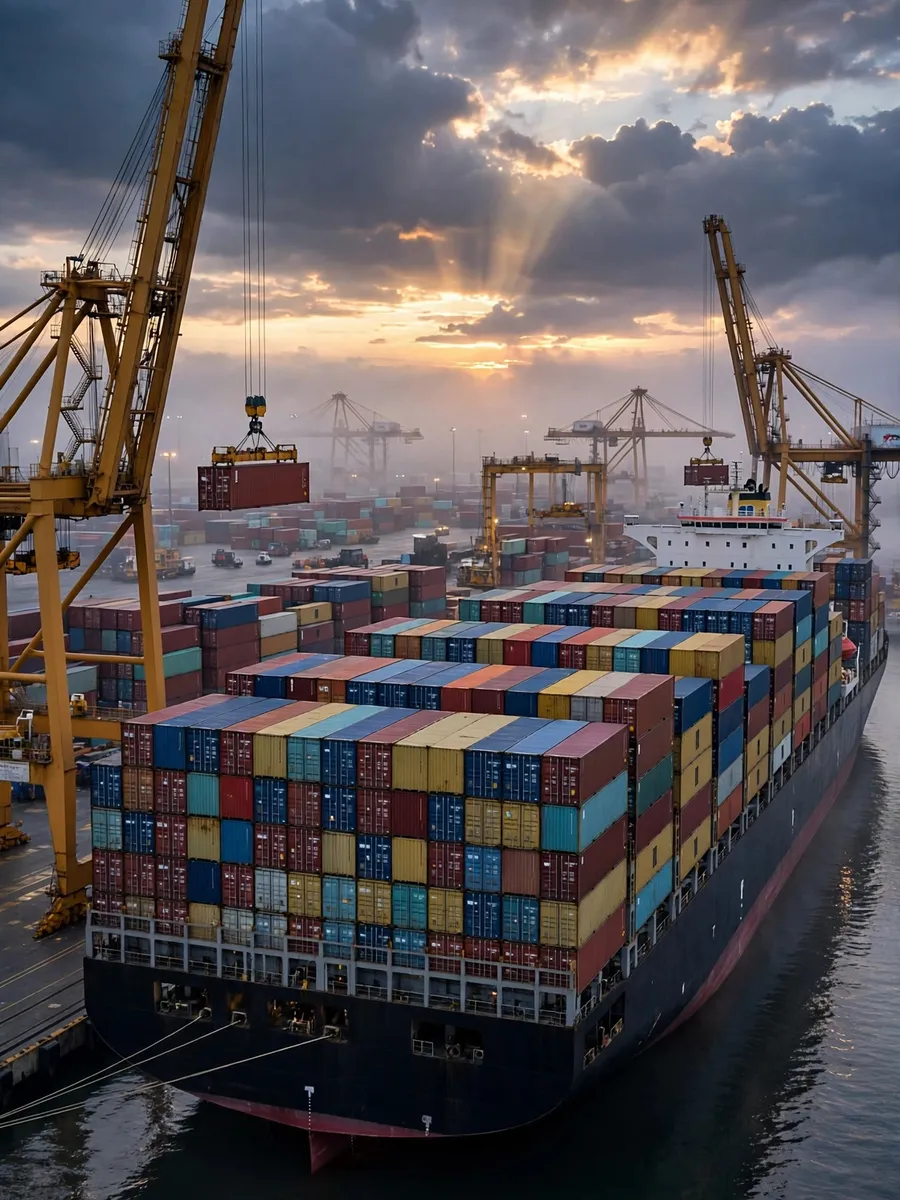
The findings of the probe are expected to be released imminently, according to three people familiar with the matter, with new import duties on a wide range of goods to follow. The announcement could come as soon as Tuesday afternoon or Wednesday, 24 or 25 November 2026.
A Probe Covering 16 Economies
The investigation was launched in March 2026 by the Office of the United States Trade Representative, under Section 301 of the Trade Act of 1974, a law that allows Washington to respond to foreign trade practices it considers unfair. It covers 16 of America’s largest trading partners: China, the European Union, India, Japan, South Korea, Mexico, Vietnam, Taiwan, Thailand, Malaysia, Indonesia, Switzerland, Norway, Singapore, Bangladesh and Cambodia.
The probe examines whether industrial production in those economies has grown beyond what markets can absorb, creating surpluses that are then exported at prices American manufacturers struggle to match. Washington argues that government subsidies and industrial policies in some countries encourage production far above domestic demand, flooding global markets with cheap goods.
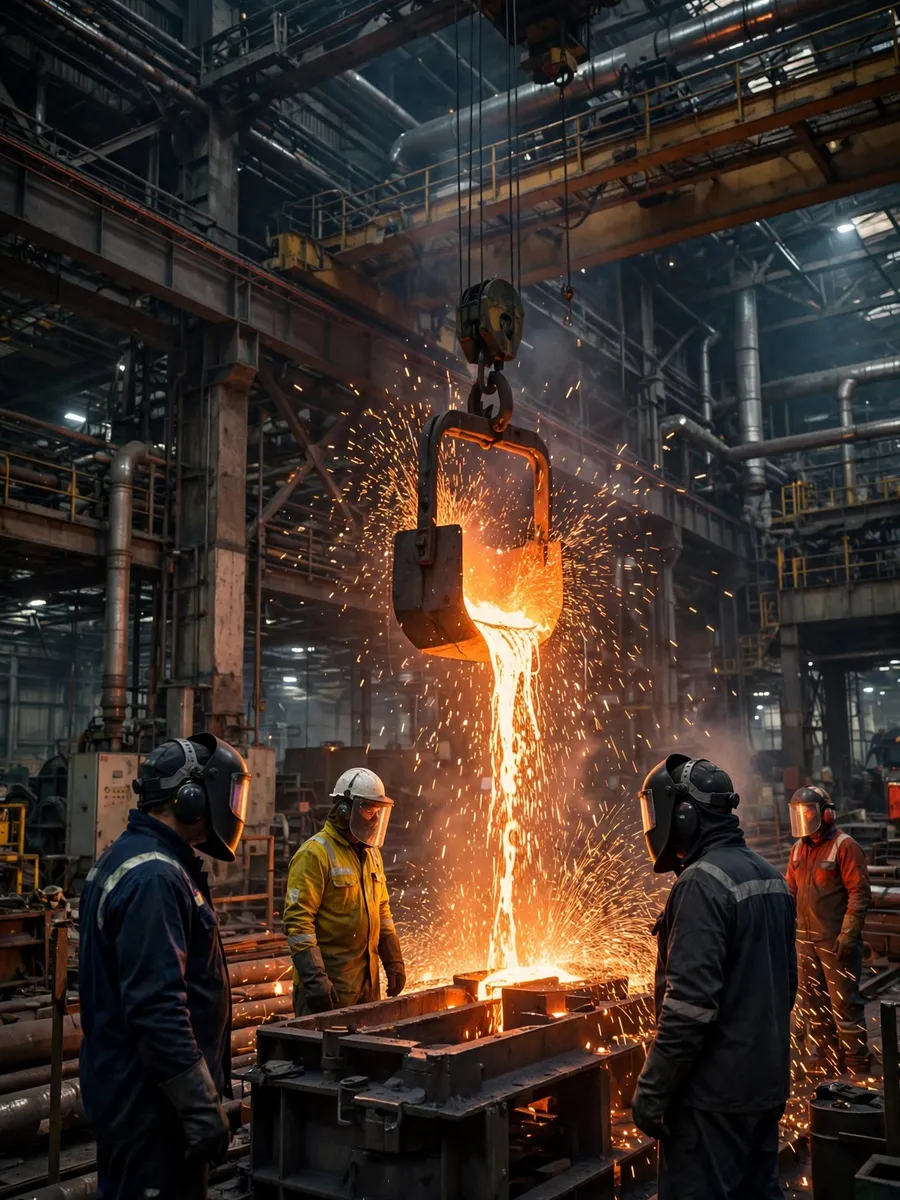
China has been singled out as the biggest source of the problem. The administration accuses Beijing of exporting vast volumes of steel, aluminium, electric vehicles, solar products, appliances and other manufactured goods. The investigation also covers sectors ranging from cars and semiconductors to textiles, clothing and footwear.
How the New Duties Would Work
Exact tariff rates have not yet been announced, but the duties are expected to be tailored to each country, and to stack on top of tariffs already imposed during President Donald Trump’s second term. One former senior trade official, Ryan Majerus, now a partner at the law firm King & Spalding, said he expects a lengthy report with differentiated remedies for each of the 16 partners, and suggested rates could reach 15 to 25 percent for countries judged to have excess capacity in particular sectors.
Not every country is expected to be hit at once. Goods from Mexico and Norway are unlikely to face immediate levies, according to people familiar with the plans. And the White House is expected to honour the tariff caps agreed in trade deals already finalised with several partners — 15 percent for the European Union, Japan and South Korea, and 19 percent for Malaysia.
China is a more delicate case. Under a trade truce due to expire on 10 January, second-term tariffs on Chinese goods are capped at 20 percent, on top of duties of about 25 percent imposed during Trump’s first term. A separate anti-forced-labour duty of 12.5 percent has already been applied to all Chinese imports, leaving only 7.5 percentage points of room under the cap unless the truce is extended. If it lapses, the excess capacity rate on China could rise higher.
Aimed at Chinese Factories in South-East Asia
The probe is also partly aimed at Chinese investment in South-East Asia. Washington says Chinese companies have built factories in countries such as Vietnam, Indonesia and Cambodia to make goods for the American market and route them around existing tariffs. The new duties could close off that route.
China has rejected the accusations, saying its exports reflect genuine competitive advantages rather than unfair practices. Beijing has also warned in the past that new tariffs will invite retaliation, raising the prospect of a further escalation in the trade tensions that have defined the US-China relationship for years.
A New Legal Foundation for Tariffs
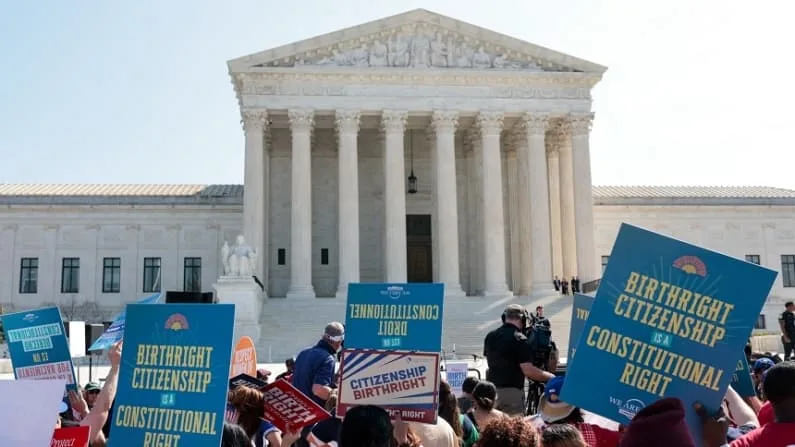
The timing is significant. In February 2026, the US Supreme Court struck down a swathe of the administration’s earlier tariffs, and Washington subsequently relied on Section 122 of the Trade Act to impose temporary global duties for 150 days from 24 February. The new excess capacity investigation is expected to give the administration a fresh, longer-lasting legal basis for imposing tariffs under Section 301.
The probe was launched alongside a separate investigation into weak enforcement of anti-forced-labour laws in 59 countries and the European Union. In July, the administration imposed duties of 10 or 12.5 percent on goods from those 60 partners, a preview of the approach now expected for excess capacity.
What It Means for Consumers and Businesses
For American shoppers, the new tariffs are likely to mean higher prices. The duties imposed so far have already contributed to rising prices on consumer goods, and a Reuters/Ipsos opinion poll taken after November’s midterm elections found that 62 percent of respondents would support efforts to repeal the tariffs.
For exporters in the countries named, the stakes are enormous. India, for example, has been cited in connection with textile production, and the new duties will be a key test of the India-US trade framework. Businesses across Asia and Europe are now watching closely for the final rates, the exemptions and the list of goods affected — and for whether the truce with China survives into the new year.
Website Disclaimer
The information provided on this website is for general informational and educational purposes only. While we strive to ensure that all content is accurate and up to date, we make no guarantees regarding the completeness, reliability, or accuracy of any information published.
The views and opinions expressed in articles belong to their respective authors and do not necessarily reflect the views of this website. Any action you take based on the information found on this website is strictly at your own risk. We will not be liable for any losses, damages, or inconveniences arising from the use of our content.
Some articles may contain opinions, third-party information, or external links. We do not endorse or guarantee the accuracy of content on external websites and are not responsible for their practices or policies.
All content on this website is provided in good faith and is intended for informational purposes only. Readers are encouraged to verify information independently and seek professional advice where appropriate.