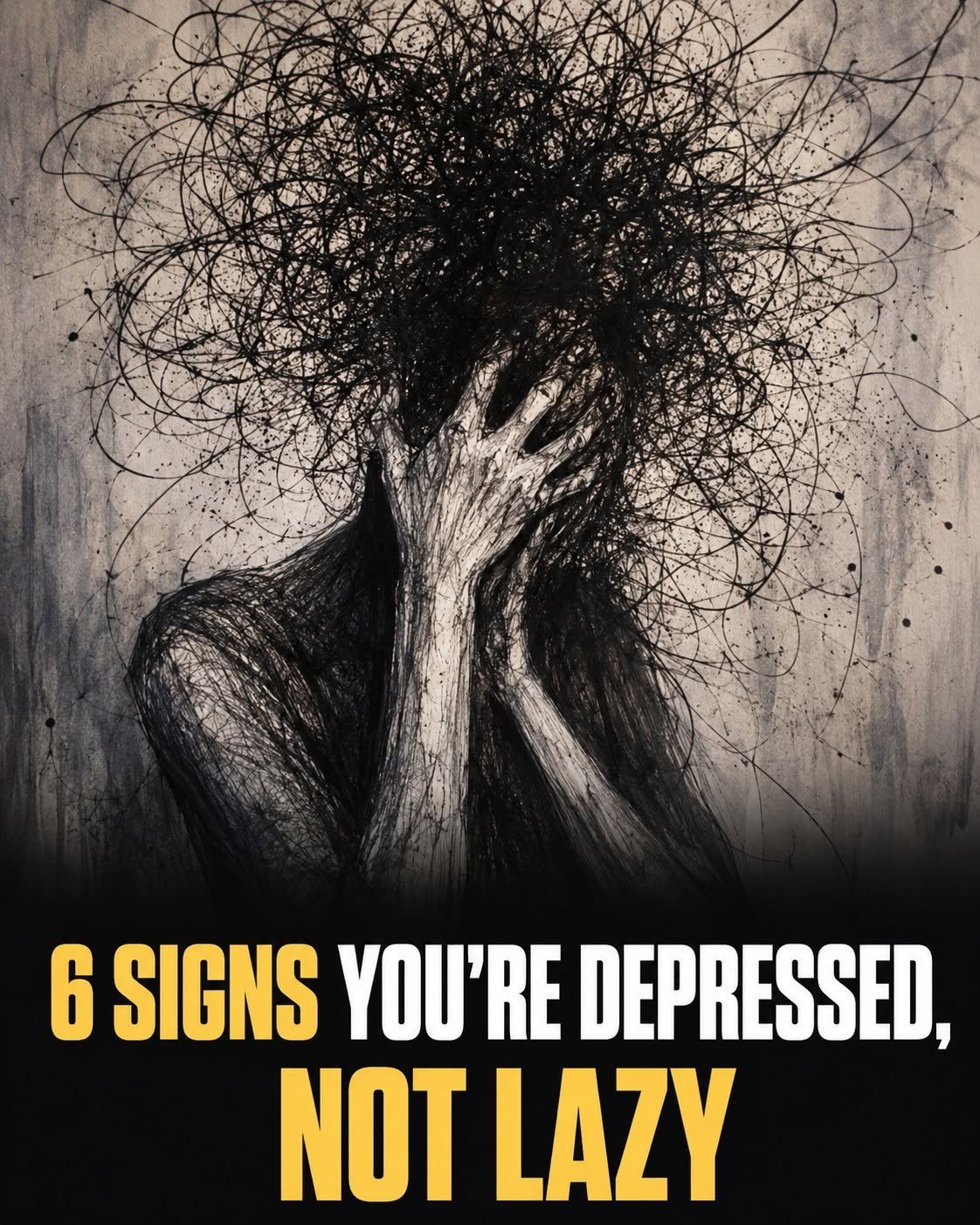
Depression Is Not Laziness: Signs Your Mental Health May Need Attention
Feeling tired, unmotivated, or unable to keep up with daily life does not always mean laziness. Sometimes, it can be a sign that your mental health needs attention.
Depression can affect energy, focus, motivation, and enjoyment of life. It does not always show up as constant sadness; some people continue going to work, attending school, caring for their families, and meeting their responsibilities while quietly struggling inside.
One common sign is difficulty starting simple tasks, such as cleaning, replying to messages, preparing meals, or taking care of personal hygiene. Activities that once felt easy may suddenly require enormous effort. Even getting out of bed in the morning can feel overwhelming.
Another sign is losing interest in things that once brought happiness. Hobbies, favorite activities, social gatherings, and future plans may no longer feel exciting. A person might withdraw from friends and family, not because they no longer care, but because interacting with others feels exhausting.
Depression can also affect sleep, appetite, concentration, and emotional balance. Some people sleep much more than usual, while others struggle to fall asleep or wake up repeatedly during the night. Changes in eating habits, persistent fatigue, irritability, and difficulty making everyday decisions may also occur.
For some people, depression develops without an obvious reason. Life may appear stable from the outside, with no major problems or visible hardships, yet an individual may still experience emotional heaviness, emptiness, or disconnection. These feelings are real, and a person does not need to justify their struggles by pointing to a specific problem.
It is also important to understand that experiencing one or two of these signs does not automatically mean someone has depression. Stress, grief, sleep deprivation, certain medical conditions, and other factors can cause similar symptoms. However, when these changes persist for two weeks or longer, interfere with daily responsibilities, or become increasingly difficult to manage, speaking with a healthcare professional can help identify what is happening.
What Can You Do If You Recognize These Signs?
Start by being patient with yourself. Instead of expecting yourself to accomplish everything at once, focus on small, manageable steps. Take a shower, eat a nourishing meal, spend a few minutes outside, or reach out to someone you trust. Small actions may not solve everything, but they can provide a starting point.
Try to maintain a regular sleep schedule, stay connected with supportive people, and avoid judging yourself for having difficult days. Most importantly, do not feel that you must handle everything alone. A trusted person, doctor, therapist, or mental health professional can help you understand your symptoms and explore appropriate treatment options.
Depression is a treatable condition, and recovery looks different for everyone. Some people benefit from therapy, others may need medication, and many find that a combination of treatments and supportive daily habits helps them feel better over time.
Remember: struggling does not make you weak, and needing help does not mean you have failed. You deserve the same kindness and understanding that you would offer someone you love.
If you recognize these signs in yourself or someone close to you, take them seriously without jumping to conclusions. A compassionate conversation and professional support can be important first steps toward feeling like yourself again.
Sometimes, the most important thing you can do is stop blaming yourself for what you are experiencing and start giving yourself the care you need.
Website Disclaimer
The information provided on this website is for general informational and educational purposes only. While we strive to ensure that all content is accurate and up to date, we make no guarantees regarding the completeness, reliability, or accuracy of any information published.
The views and opinions expressed in articles belong to their respective authors and do not necessarily reflect the views of this website. Any action you take based on the information found on this website is strictly at your own risk. We will not be liable for any losses, damages, or inconveniences arising from the use of our content.
Some articles may contain opinions, third-party information, or external links. We do not endorse or guarantee the accuracy of content on external websites and are not responsible for their practices or policies.
All content on this website is provided in good faith and is intended for informational purposes only. Readers are encouraged to verify information independently and seek professional advice where appropriate.