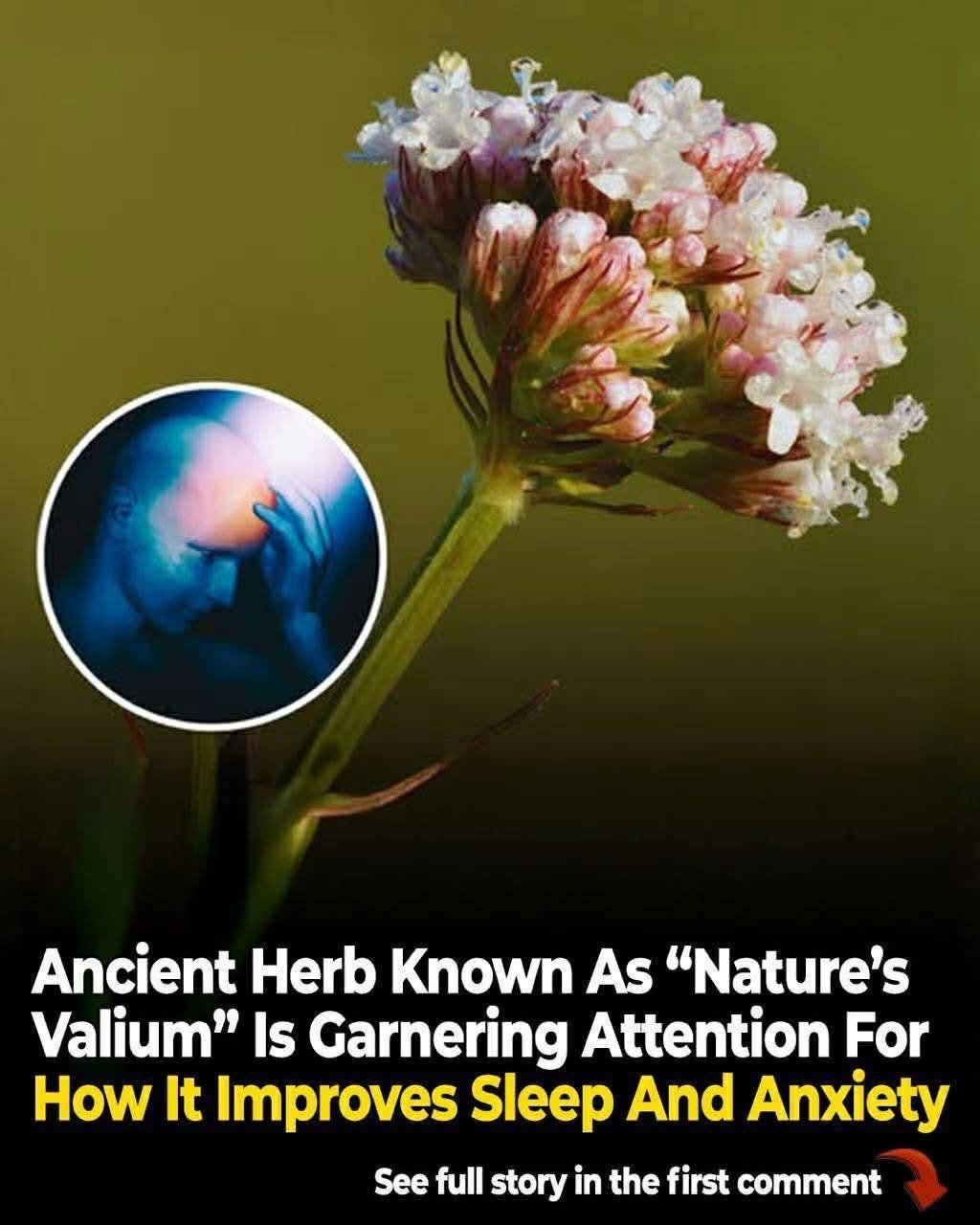
Valerian has become a popular go-to for people struggling with sleep, often marketed as “nature’s valium.” However, organizations like the National Institutes of Health emphasize that valerian and drugs like Valium are completely different in composition and effect.
Despite the hype, valerian’s reputation comes from centuries of traditional use for insomnia and stress. Historically prescribed by figures like Galen, it has long been associated with calming effects.
Modern science, however, is less certain. The NIH and the National Center for Complementary and Integrative Health describe the evidence for sleep benefits as “inconclusive,” with studies showing mixed and inconsistent results.
Some research suggests valerian may slightly improve sleep quality or help people fall asleep faster, but other studies show little to no effect. Because of inconsistent methods and small sample sizes, firm conclusions are difficult.
When it comes to anxiety, the evidence is even weaker. Reviews, including those by the Cochrane Collaboration, found insufficient data to confirm that valerian is effective for anxiety disorders.
On the safety side, valerian appears relatively low-risk for short-term use in healthy adults. Typical doses range from 300–600 mg, though mild side effects like dizziness, headaches, or grogginess can occur.
It’s important to note that valerian can amplify the effects of other sedatives, including alcohol or medications, so caution is necessary.
In reality, valerian sits in a middle ground: it may offer mild relief for occasional sleep issues or stress, but it’s not a cure-all. For chronic insomnia or serious anxiety, medical guidance and proven treatments remain essential.
Website Disclaimer
The information provided on this website is for general informational and educational purposes only. While we strive to ensure that all content is accurate and up to date, we make no guarantees regarding the completeness, reliability, or accuracy of any information published.
The views and opinions expressed in articles belong to their respective authors and do not necessarily reflect the views of this website. Any action you take based on the information found on this website is strictly at your own risk. We will not be liable for any losses, damages, or inconveniences arising from the use of our content.
Some articles may contain opinions, third-party information, or external links. We do not endorse or guarantee the accuracy of content on external websites and are not responsible for their practices or policies.
All content on this website is provided in good faith and is intended for informational purposes only. Readers are encouraged to verify information independently and seek professional advice where appropriate.