Warning Signs of Clogged Arteries You Should Never Ignore
Clogged arteries can lead to serious cardiovascular problems, including heart attacks and strokes. However, recognizing risk factors, understanding warning signs, and seeking medical care early can help reduce the risk of dangerous complications.
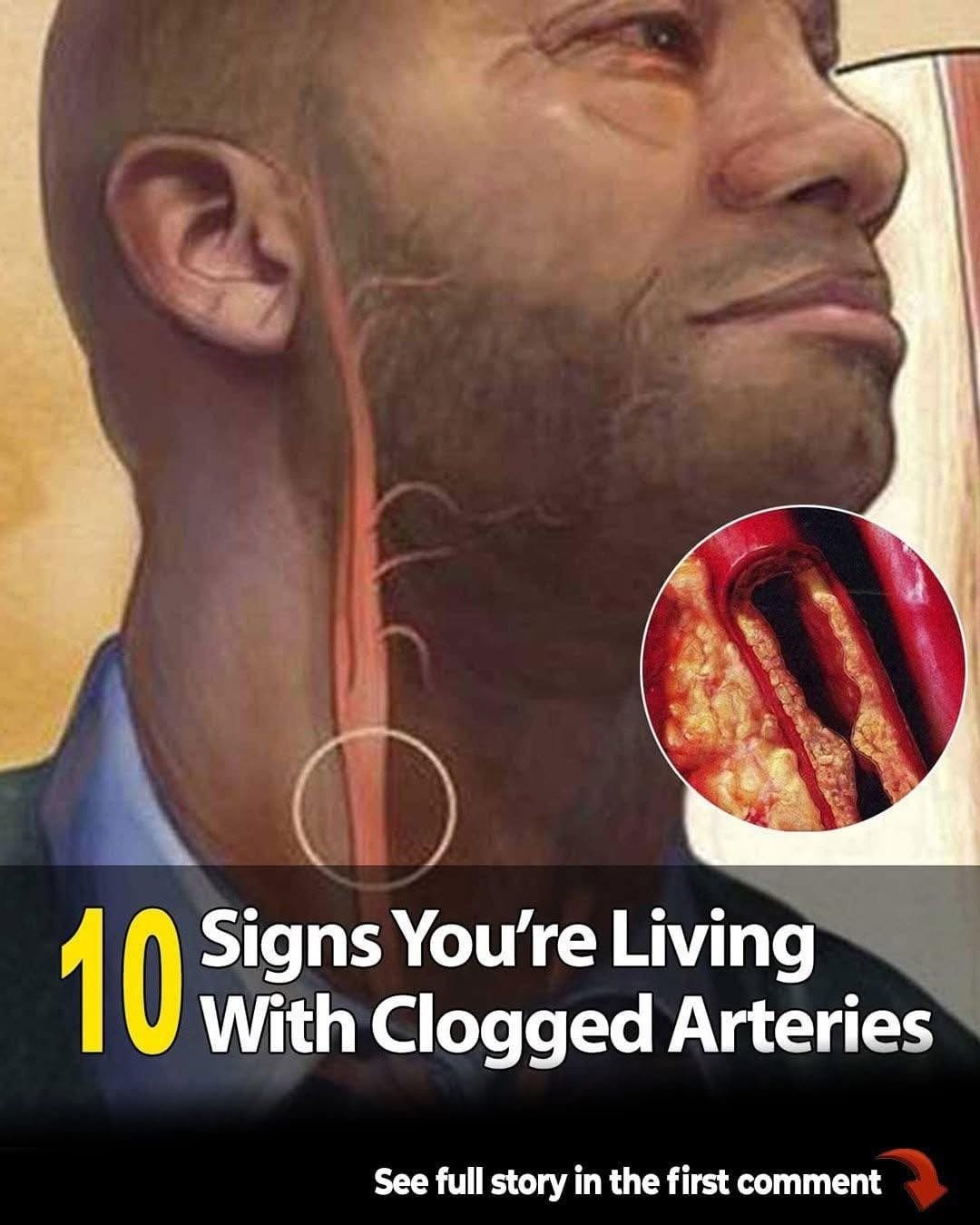
Arteries carry oxygen-rich blood from the heart to the rest of the body. Over time, fatty deposits, cholesterol, calcium, and other substances can accumulate inside artery walls, forming a buildup known as plaque. This process, called atherosclerosis, can gradually narrow the arteries and restrict blood flow. In some cases, a plaque can rupture and trigger a blood clot that suddenly blocks blood circulation.
One of the challenges with clogged arteries is that they may develop for years without causing noticeable symptoms. Some people only discover the problem after experiencing a serious cardiovascular event. That is why regular health checkups and awareness of changes in your body are so important.
1. Chest Pain or Pressure
Chest discomfort, also known as angina, can occur when the heart muscle does not receive enough oxygen-rich blood. It may feel like pressure, tightness, squeezing, heaviness, or burning in the chest. The discomfort can spread to the arms, shoulders, back, neck, or jaw.
Chest pain that is new, severe, persistent, or occurs with shortness of breath, sweating, nausea, or dizziness may indicate a heart attack. Call your local emergency service immediately rather than waiting for the symptoms to disappear.
2. Shortness of Breath
Feeling unusually breathless during ordinary activities can sometimes indicate that the heart is not receiving enough blood or is struggling to pump effectively. You may notice difficulty climbing stairs, walking short distances, or performing tasks that previously felt easy.
Shortness of breath can have many causes, including lung conditions and anemia, so it should not automatically be attributed to clogged arteries. Sudden or severe breathing difficulty requires emergency medical attention.
3. Unusual Fatigue or Weakness
Persistent, unexplained fatigue can occasionally be associated with heart disease. Some people, particularly older adults and people with diabetes, may experience less typical heart attack symptoms, such as unusual exhaustion, nausea, or breathlessness, instead of prominent chest pain.
Fatigue alone does not establish that an artery is blocked. However, if it is new, persistent, or accompanied by other concerning symptoms, consult a healthcare professional.
4. Pain in the Legs While Walking
Arteries that supply blood to the legs can also become narrowed by plaque. This condition is known as peripheral artery disease (PAD).
A common warning sign is aching, cramping, or heaviness in the calves, thighs, or buttocks during walking. The discomfort often improves after resting and returns when walking resumes.
Other possible signs include cold feet, changes in skin color, reduced hair growth on the legs, or sores on the feet that heal slowly. A foot wound that does not heal, especially when accompanied by discoloration or worsening pain, should be assessed promptly.
5. Sudden Numbness, Weakness, or Difficulty Speaking
A blocked artery supplying the brain can cause a stroke. Warning signs include sudden weakness or numbness on one side of the body, facial drooping, difficulty speaking or understanding speech, loss of vision, or trouble walking.
These symptoms require immediate emergency care, even if they disappear after a few minutes. A temporary episode may be a transient ischemic attack (TIA), sometimes called a mini-stroke, which can warn of a future stroke.
Do not wait to see whether the symptoms improve.
6. Nausea, Dizziness, or Cold Sweating
Nausea, lightheadedness, and cold sweating may accompany a heart attack, particularly when they occur alongside chest discomfort, breathlessness, or unusual weakness.
These symptoms can also result from many other conditions. Their significance depends on the overall situation, but sudden symptoms combined with possible heart attack signs should never be ignored.
7. Irregular Heartbeat or Palpitations
Palpitations may feel like a racing, pounding, fluttering, or skipping heartbeat. They can occur because of stress, caffeine, dehydration, or an abnormal heart rhythm.
Palpitations are not a reliable sign of clogged arteries by themselves. However, if they occur with chest pain, fainting, or severe shortness of breath, seek emergency medical care.
What Causes Arteries to Become Clogged?
Several factors can increase the likelihood of plaque buildup, including:
-
High LDL cholesterol.
-
High blood pressure.
-
Smoking or tobacco use.
-
Diabetes and elevated blood sugar.
-
Physical inactivity.
-
A diet high in saturated fats and excessive calories.
-
Excess body weight, particularly when associated with metabolic problems.
-
Increasing age and a family history of early cardiovascular disease.
Some risk factors cannot be changed, such as age and family history. However, managing cholesterol, blood pressure, diabetes, and smoking can substantially reduce cardiovascular risk.
How Can You Help Protect Your Arteries?
1. Choose heart-healthy foods.
Eat more vegetables, fruits, whole grains, beans, nuts, and other fiber-rich foods. Choose healthier unsaturated fats, such as those found in olive oil, nuts, and fish, while limiting trans fats, excessive saturated fats, and heavily processed foods.
2. Stay physically active.
Regular movement supports cardiovascular health. For most adults, a useful goal is at least 150 minutes of moderate-intensity aerobic activity each week, adjusted to individual ability and medical advice. If you experience chest pain or unexplained breathlessness during exercise, stop and seek medical guidance.
3. Monitor blood pressure and cholesterol.
High blood pressure and abnormal cholesterol often cause no obvious symptoms. Regular screening can identify these problems before complications develop. If you have diabetes or other cardiovascular risk factors, ask your healthcare professional how frequently you should be checked.
4. Avoid smoking.
Smoking damages blood vessels and increases the risk of plaque buildup and blood clots. Quitting tobacco is one of the most effective steps you can take to protect your heart and circulation.
5. Follow your prescribed treatment.
Depending on your individual risk, a healthcare professional may recommend medication to lower cholesterol, control blood pressure, manage diabetes, or reduce the risk of blood clots. Some people with significant artery narrowing may need procedures such as angioplasty or surgery.
Do not start aspirin or other blood-thinning medicines on your own to prevent clogged arteries, because these medications can cause serious bleeding and are not appropriate for everyone.
How Are Clogged Arteries Diagnosed?
Doctors assess your symptoms, medical history, family history, and cardiovascular risk factors. Depending on what they find, they may recommend blood tests, an electrocardiogram (ECG), an ankle-brachial index for leg circulation, or specialized imaging and other tests.
No single symptom or home test can reliably confirm that an artery is clogged. The appropriate evaluation depends on which arteries may be affected and whether symptoms are present.
When Should You Seek Medical Help?
Seek emergency care for possible heart attack or stroke symptoms, including new chest pressure, severe breathing difficulty, sudden one-sided weakness, facial drooping, or trouble speaking. Do not delay emergency care while trying home remedies.
For less urgent concerns, arrange a medical appointment if you experience recurring leg pain while walking, unexplained exercise intolerance, or persistent symptoms that could indicate a circulation problem.
The most important thing to remember is that clogged arteries do not always produce warning signs. Taking care of your cardiovascular health means addressing risk factors, attending routine checkups, and responding quickly when concerning symptoms appear.
Healthy habits cannot guarantee that artery disease will never develop, but early detection and appropriate treatment can reduce the risk of serious complications and help protect your long-term health.
Website Disclaimer
The information provided on this website is for general informational and educational purposes only. While we strive to ensure that all content is accurate and up to date, we make no guarantees regarding the completeness, reliability, or accuracy of any information published.
The views and opinions expressed in articles belong to their respective authors and do not necessarily reflect the views of this website. Any action you take based on the information found on this website is strictly at your own risk. We will not be liable for any losses, damages, or inconveniences arising from the use of our content.
Some articles may contain opinions, third-party information, or external links. We do not endorse or guarantee the accuracy of content on external websites and are not responsible for their practices or policies.
All content on this website is provided in good faith and is intended for informational purposes only. Readers are encouraged to verify information independently and seek professional advice where appropriate.