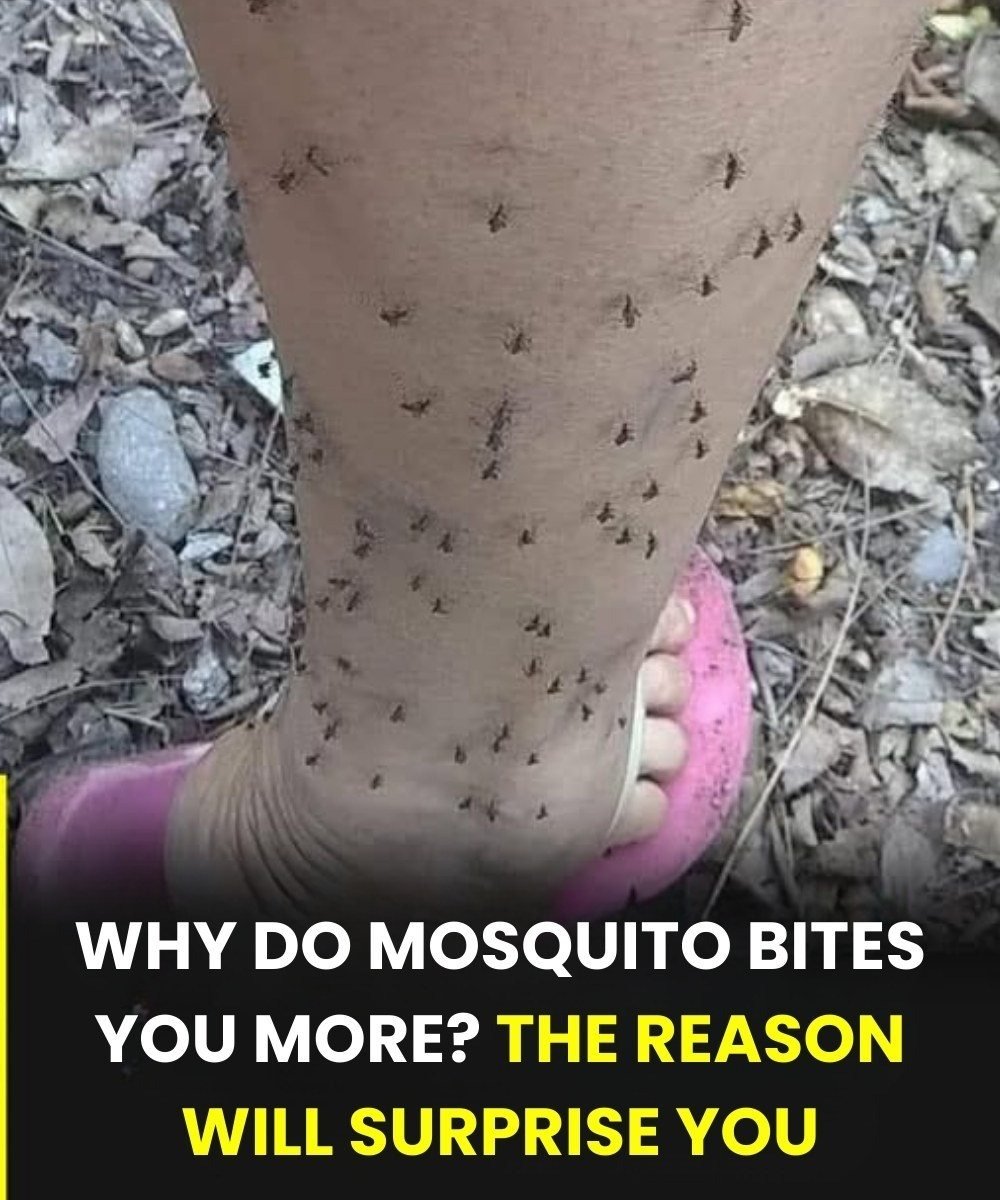
Many people have experienced it: a calm outdoor gathering, and somehow one person ends up covered in mosquito bites while everyone else seems untouched. This isn’t bad luck—mosquito attraction is driven by biology, body chemistry, and environmental factors.
Only female mosquitoes bite humans because they need blood to reproduce. Over time, they’ve evolved highly sensitive systems to locate the most suitable hosts, making some people naturally more attractive than others.
A key factor is carbon dioxide (CO₂). Every breath releases CO₂, and mosquitoes are extremely sensitive to it. Taller people, those with more body mass, or anyone physically active emit more CO₂, making them easier for mosquitoes to detect. Body heat enhances this effect.
Body odor and skin bacteria also play a major role. Each person’s unique mix of bacteria produces chemical compounds that create a scent profile. Certain combinations are especially appealing to mosquitoes, and this has nothing to do with cleanliness.
Blood type influences mosquito preference. Studies show people with type O blood are bitten more frequently, while type A tends to attract fewer mosquitoes. Some chemical markers released through the skin make blood type easier for mosquitoes to detect.
Sweat, lactic acid, and exercise increase attraction. Physical activity raises body temperature and produces compounds in sweat that act as powerful signals for mosquitoes, explaining why bites often spike after exercise.
Environmental factors, like standing water, clothing color, and movement, can further amplify the likelihood of being bitten. Even wind direction and time of day can play subtle roles in mosquito behavior.
Understanding these biological and environmental triggers highlights why mosquito bites feel personal. It also suggests strategies for prevention, such as limiting heavy exercise outdoors during peak mosquito activity, using repellents, and being mindful of surroundings to reduce exposure.
Website Disclaimer
The information provided on this website is for general informational and educational purposes only. While we strive to ensure that all content is accurate and up to date, we make no guarantees regarding the completeness, reliability, or accuracy of any information published.
The views and opinions expressed in articles belong to their respective authors and do not necessarily reflect the views of this website. Any action you take based on the information found on this website is strictly at your own risk. We will not be liable for any losses, damages, or inconveniences arising from the use of our content.
Some articles may contain opinions, third-party information, or external links. We do not endorse or guarantee the accuracy of content on external websites and are not responsible for their practices or policies.
All content on this website is provided in good faith and is intended for informational purposes only. Readers are encouraged to verify information independently and seek professional advice where appropriate.