Sleep paralysis is a temporary condition that can occur when a person wakes up during the transition between sleep and wakefulness and finds themselves unable to move or speak. Although it can feel extremely frightening, it is generally harmless and usually lasts only a few seconds to a few minutes.
This happens because during the REM (rapid eye movement) stage of sleep, the body naturally enters a state of temporary muscle paralysis. This prevents people from physically acting out their dreams. In some cases, the brain becomes fully awake before this paralysis has worn off, leaving the person conscious but unable to move.
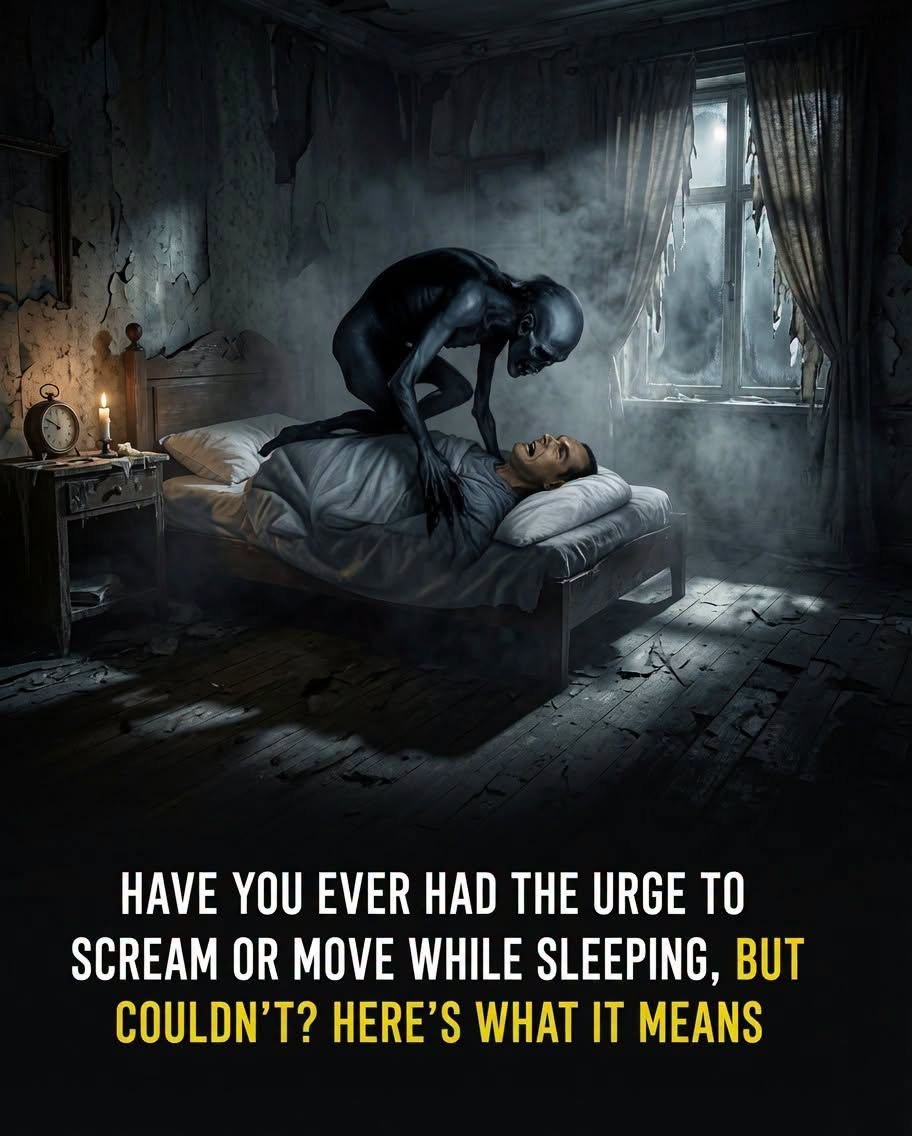
Many people also experience vivid hallucinations during sleep paralysis. These can include sensing a presence in the room, hearing unusual sounds, or seeing shadowy figures. Some report feeling pressure on the chest or a sensation of being watched. Although these experiences feel real, they are considered a mix of dream imagery and wakefulness overlapping.
Episodes are often linked to factors such as sleep deprivation, irregular sleep schedules, stress, or sleeping on the back. Disrupted sleep patterns can increase the likelihood of REM sleep occurring in an unstable way, making episodes more likely.
Even though sleep paralysis can be alarming, it is not considered dangerous. The body and brain return to normal function on their own without treatment. However, frequent episodes may indicate underlying sleep issues that could benefit from medical evaluation.
Improving sleep hygiene can help reduce occurrences. Maintaining a consistent sleep schedule, reducing stress, and ensuring adequate rest are commonly recommended steps.
In summary, sleep paralysis is a temporary misalignment between brain wakefulness and body muscle control. While the experience can feel intense and unsettling, it does not cause physical harm and is usually manageable with healthy sleep habits.
Website Disclaimer
The information provided on this website is for general informational and educational purposes only. While we strive to ensure that all content is accurate and up to date, we make no guarantees regarding the completeness, reliability, or accuracy of any information published.
The views and opinions expressed in articles belong to their respective authors and do not necessarily reflect the views of this website. Any action you take based on the information found on this website is strictly at your own risk. We will not be liable for any losses, damages, or inconveniences arising from the use of our content.
Some articles may contain opinions, third-party information, or external links. We do not endorse or guarantee the accuracy of content on external websites and are not responsible for their practices or policies.
All content on this website is provided in good faith and is intended for informational purposes only. Readers are encouraged to verify information independently and seek professional advice where appropriate.