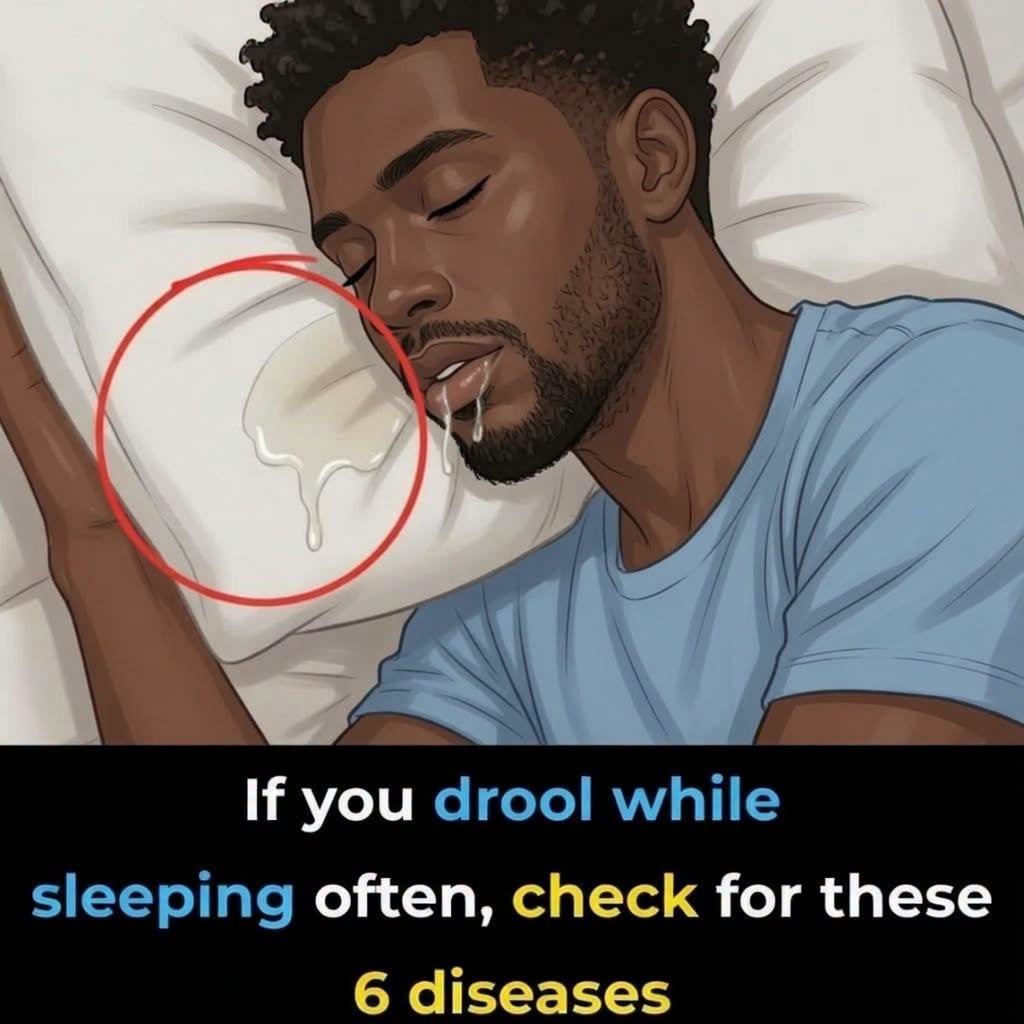
Waking up to a damp pillow can feel awkward, but drooling during sleep is more common than most people think. In many cases, it’s harmless and linked to simple factors like how you sleep.
One of the most frequent reasons is sleeping position. Lying on your side or stomach makes it easier for saliva to escape, especially if your mouth naturally opens while you rest.
Blocked nasal passages can also play a role. When allergies, colds, or sinus issues make it hard to breathe through your nose, your body switches to mouth breathing, which increases the chance of drooling.
Another possible cause is acid reflux. Conditions like GERD can trigger excess saliva production as your body tries to protect itself from stomach acid, leading to more saliva during sleep.
Sleep disorders may also contribute. People with conditions like sleep apnea often breathe through their mouths or experience disrupted sleep, both of which can lead to increased drooling.
In some cases, the cause may be neurological. Conditions that affect muscle control can make it harder to swallow saliva efficiently, allowing it to build up and escape during sleep.
Medications and infections are additional factors. Certain drugs can increase saliva production, while throat or tonsil infections may make swallowing uncomfortable or less effective.
While occasional drooling is usually nothing to worry about, frequent or excessive drooling could signal an underlying issue. If it becomes persistent or is paired with other symptoms, it may be worth seeking medical advice.
Website Disclaimer
The information provided on this website is for general informational and educational purposes only. While we strive to ensure that all content is accurate and up to date, we make no guarantees regarding the completeness, reliability, or accuracy of any information published.
The views and opinions expressed in articles belong to their respective authors and do not necessarily reflect the views of this website. Any action you take based on the information found on this website is strictly at your own risk. We will not be liable for any losses, damages, or inconveniences arising from the use of our content.
Some articles may contain opinions, third-party information, or external links. We do not endorse or guarantee the accuracy of content on external websites and are not responsible for their practices or policies.
All content on this website is provided in good faith and is intended for informational purposes only. Readers are encouraged to verify information independently and seek professional advice where appropriate.