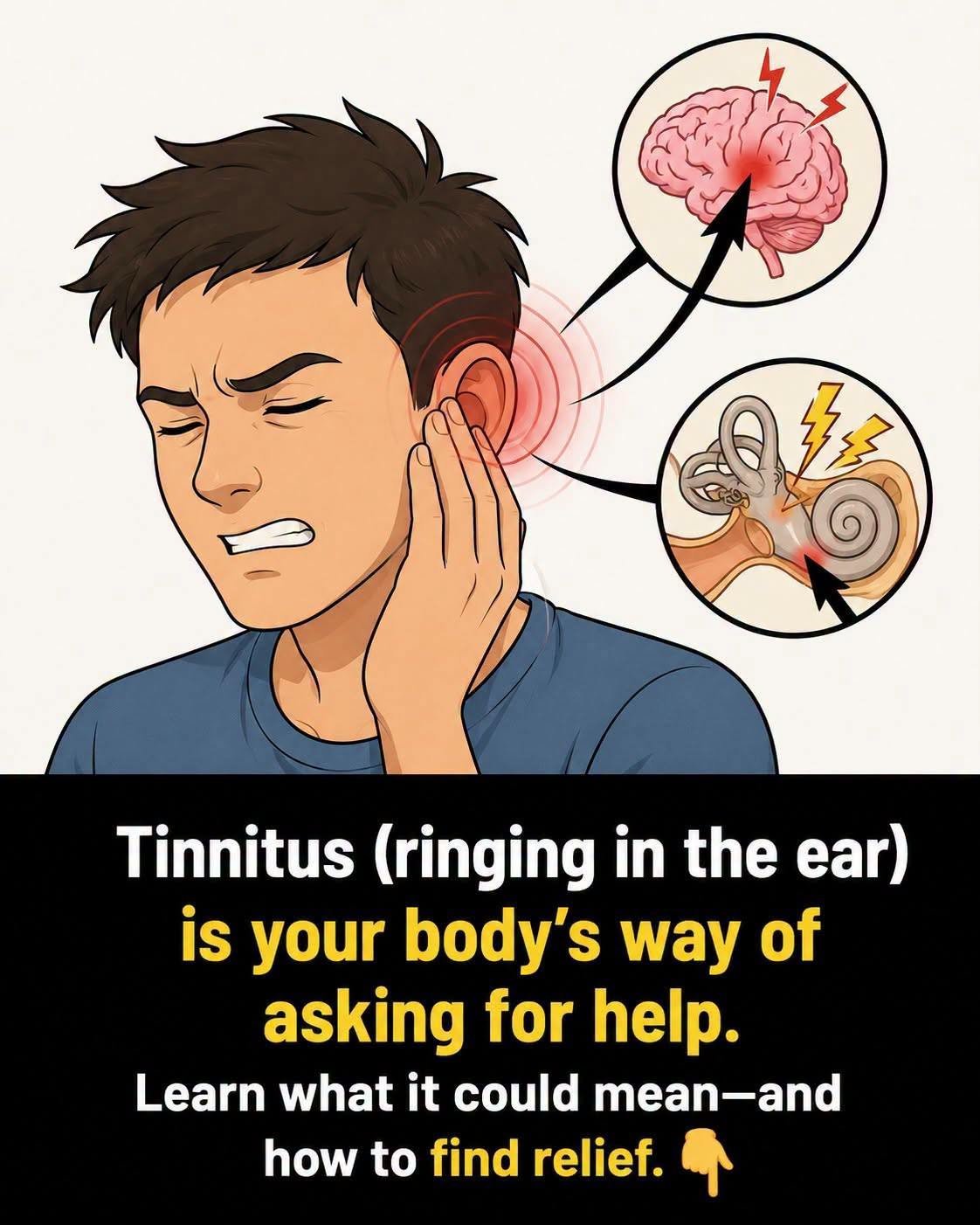
That faint ringing, buzzing, or humming you sometimes notice—especially in silence—is known as tinnitus. It’s the sensation of hearing sound when no external noise is actually present, and it can appear in one or both ears or even feel like it’s coming from inside your head.
For some people, the sound is soft and occasional. For others, it can be constant or loud enough to interfere with sleep, focus, or daily life. It may come and go, or stay for long periods without stopping.
Tinnitus itself is not a disease. It’s usually a symptom of something else affecting the hearing system, such as the inner ear, auditory nerve, or how the brain processes sound.
One of the most common causes is hearing loss, often related to aging or repeated exposure to loud noise. Even a single loud event, like a concert, can trigger temporary ringing.
Other possible triggers include earwax buildup, ear infections, certain medications, or stress. In some cases, it may also be linked to blood flow changes or conditions affecting the ear’s structure.
There are different forms of tinnitus. The most common type is subjective, meaning only the person experiencing it can hear the sound. A much rarer type, objective tinnitus, can sometimes be detected by a doctor and is often linked to physical causes in the body.
Although tinnitus is common and often harmless, certain signs shouldn’t be ignored. Sudden onset, hearing loss, dizziness, or a pulsing sound may indicate an underlying issue that needs medical attention.
There’s no universal cure, but many cases improve over time or become easier to manage. Understanding what tinnitus is—and what might be causing it—can help reduce anxiety and make it easier to find the right way to deal with it.
Website Disclaimer
The information provided on this website is for general informational and educational purposes only. While we strive to ensure that all content is accurate and up to date, we make no guarantees regarding the completeness, reliability, or accuracy of any information published.
The views and opinions expressed in articles belong to their respective authors and do not necessarily reflect the views of this website. Any action you take based on the information found on this website is strictly at your own risk. We will not be liable for any losses, damages, or inconveniences arising from the use of our content.
Some articles may contain opinions, third-party information, or external links. We do not endorse or guarantee the accuracy of content on external websites and are not responsible for their practices or policies.
All content on this website is provided in good faith and is intended for informational purposes only. Readers are encouraged to verify information independently and seek professional advice where appropriate.