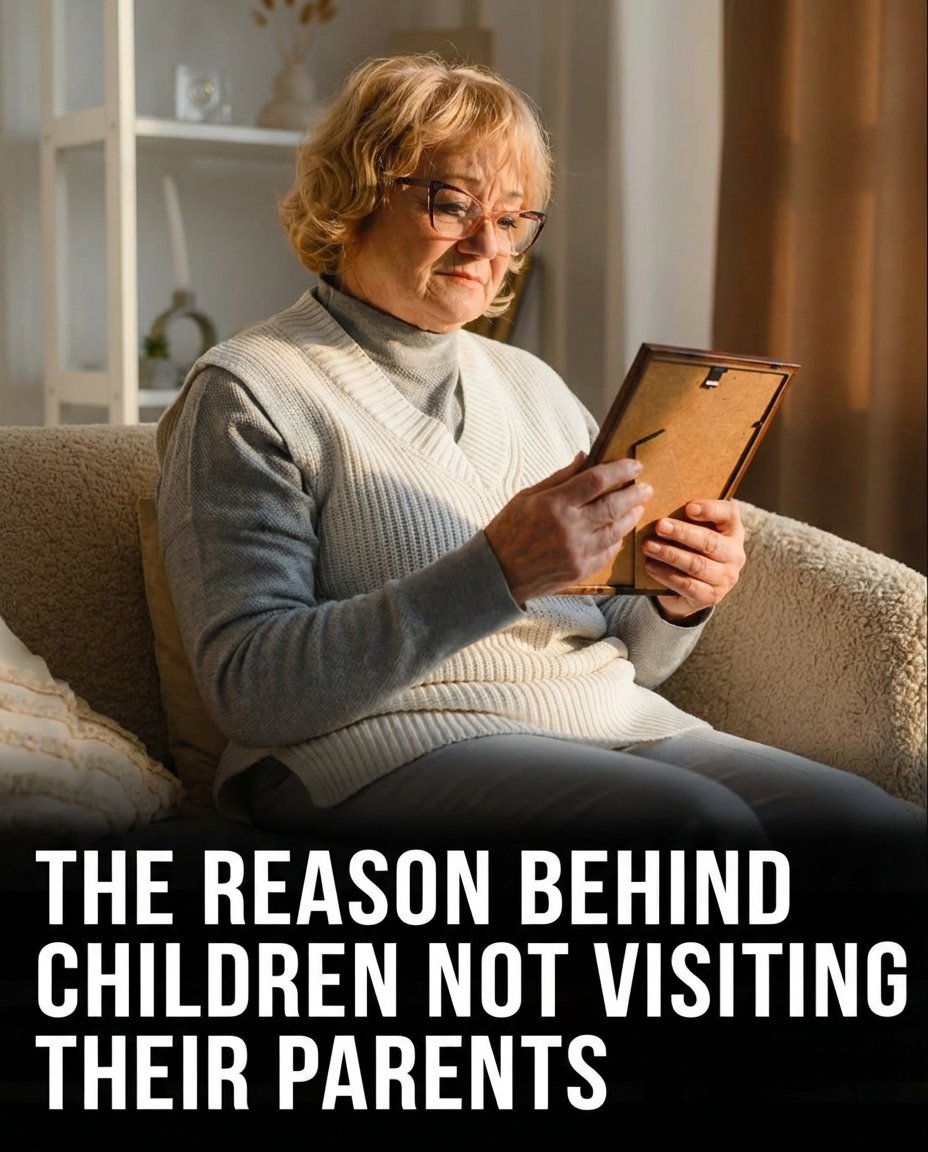
For many parents, one of the most painful realizations is when phone calls become rare and visits grow less frequent. The quiet house, once full of life, now holds memories instead of daily conversations. While it’s easy to assume that busy schedules and responsibilities are the only reasons, the truth is often more complex. Emotional distance can develop gradually over time, shaped by life changes, evolving roles, and experiences that both parents and children may not fully understand. Recognizing these deeper reasons can help families approach the situation with empathy instead of confusion.
One major factor is the natural shift in roles that occurs as children become independent adults. As they build their own lives—focusing on careers, relationships, and raising families—their priorities naturally expand beyond the home they grew up in. Parents, who were once central to every decision, gradually take on a different role. This transition is not necessarily about rejection, but about growth and independence. Adult children often still care deeply for their parents, even if their daily routines leave less time for frequent contact.
Past emotional experiences can also influence how adult children maintain relationships with their parents. While many parents did their best, children may remember certain moments differently, especially if they felt misunderstood or unsupported at times. As adults, they may create emotional space to protect their well-being or to better understand themselves. This distance is not always permanent—it can also be part of personal growth, healing, and redefining relationships in healthier ways.
Communication plays a crucial role in maintaining connection. Sometimes distance grows simply because expectations are never discussed openly. Parents may wait for their children to call, while children assume their parents understand how much they care. Reaching out, expressing appreciation, and creating opportunities for meaningful conversations can help rebuild closeness. Family relationships naturally evolve over time, but with understanding, patience, and open communication, strong emotional bonds can continue to grow, even across distance and changing life stages.
Website Disclaimer
The information provided on this website is for general informational and educational purposes only. While we strive to ensure that all content is accurate and up to date, we make no guarantees regarding the completeness, reliability, or accuracy of any information published.
The views and opinions expressed in articles belong to their respective authors and do not necessarily reflect the views of this website. Any action you take based on the information found on this website is strictly at your own risk. We will not be liable for any losses, damages, or inconveniences arising from the use of our content.
Some articles may contain opinions, third-party information, or external links. We do not endorse or guarantee the accuracy of content on external websites and are not responsible for their practices or policies.
All content on this website is provided in good faith and is intended for informational purposes only. Readers are encouraged to verify information independently and seek professional advice where appropriate.