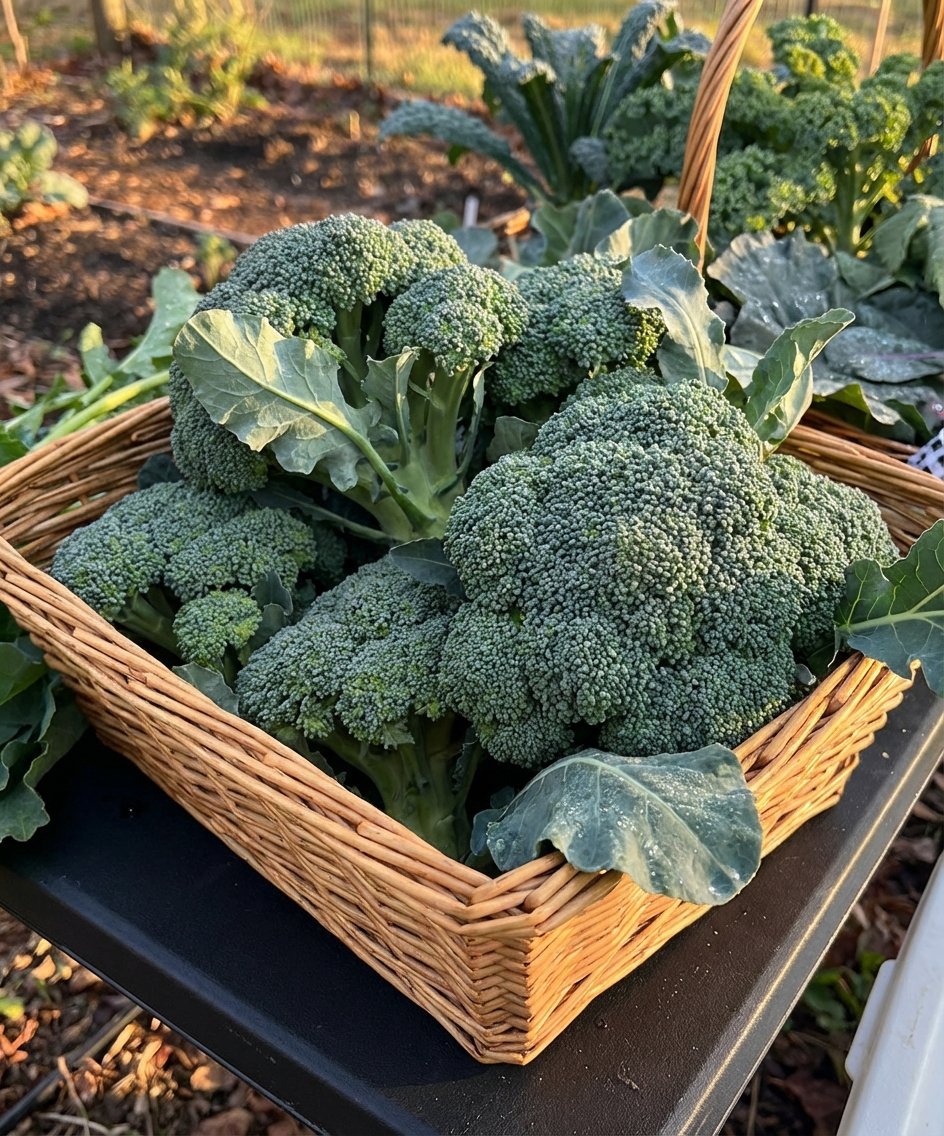
It’s often called a “super vegetable,” but broccoli earns that reputation for good reason. Doctors and nutrition experts consistently point to broccoli as one of the easiest ways to boost everyday health, thanks to its dense mix of vitamins, minerals, and protective plant compounds. From strengthening the immune system to supporting digestion and heart health, this humble green vegetable offers benefits that go far beyond its simple appearance. Yet many people don’t realize that how broccoli is prepared can play a major role in how much of its nutritional value actually reaches the body.
Broccoli is packed with essential nutrients such as vitamin C, vitamin K, potassium, and fiber—each playing a key role in keeping the body functioning well. Vitamin C supports immune defenses, vitamin K contributes to bone health, and fiber aids digestion and helps maintain steady energy levels. Broccoli also contains antioxidants and sulfur-based compounds that help protect cells from everyday stress. Health professionals note that these compounds work best when the vegetable is handled gently during preparation, allowing its natural benefits to remain intact.
When it comes to cooking, doctors often recommend methods that use minimal heat and little water. Steaming is widely considered one of the best options, as it helps preserve vitamins while keeping broccoli bright, crisp, and flavorful. Microwaving for a short time with minimal water is another effective method that limits nutrient loss. Light sautéing or quick stir-frying with a small amount of healthy oil, such as olive oil, can also be beneficial. This not only enhances taste but may help the body absorb certain compounds more efficiently when done carefully and briefly.
Some methods, however, are less ideal. Boiling broccoli for long periods can cause water-soluble nutrients to seep into the cooking liquid, reducing the vegetable’s overall nutritional value. Overcooking in general can dull both flavor and color, which is often a sign that vitamins have broken down. To get the most from broccoli, doctors suggest cooking it until it’s just tender-crisp, using the stems as well as the florets, and pairing it with simple seasonings or healthy fats. In the end, the healthiest choice is the one you enjoy enough to eat regularly—because consistency, more than perfection, is what turns broccoli into a true health ally.
Website Disclaimer
The information provided on this website is for general informational and educational purposes only. While we strive to ensure that all content is accurate and up to date, we make no guarantees regarding the completeness, reliability, or accuracy of any information published.
The views and opinions expressed in articles belong to their respective authors and do not necessarily reflect the views of this website. Any action you take based on the information found on this website is strictly at your own risk. We will not be liable for any losses, damages, or inconveniences arising from the use of our content.
Some articles may contain opinions, third-party information, or external links. We do not endorse or guarantee the accuracy of content on external websites and are not responsible for their practices or policies.
All content on this website is provided in good faith and is intended for informational purposes only. Readers are encouraged to verify information independently and seek professional advice where appropriate.