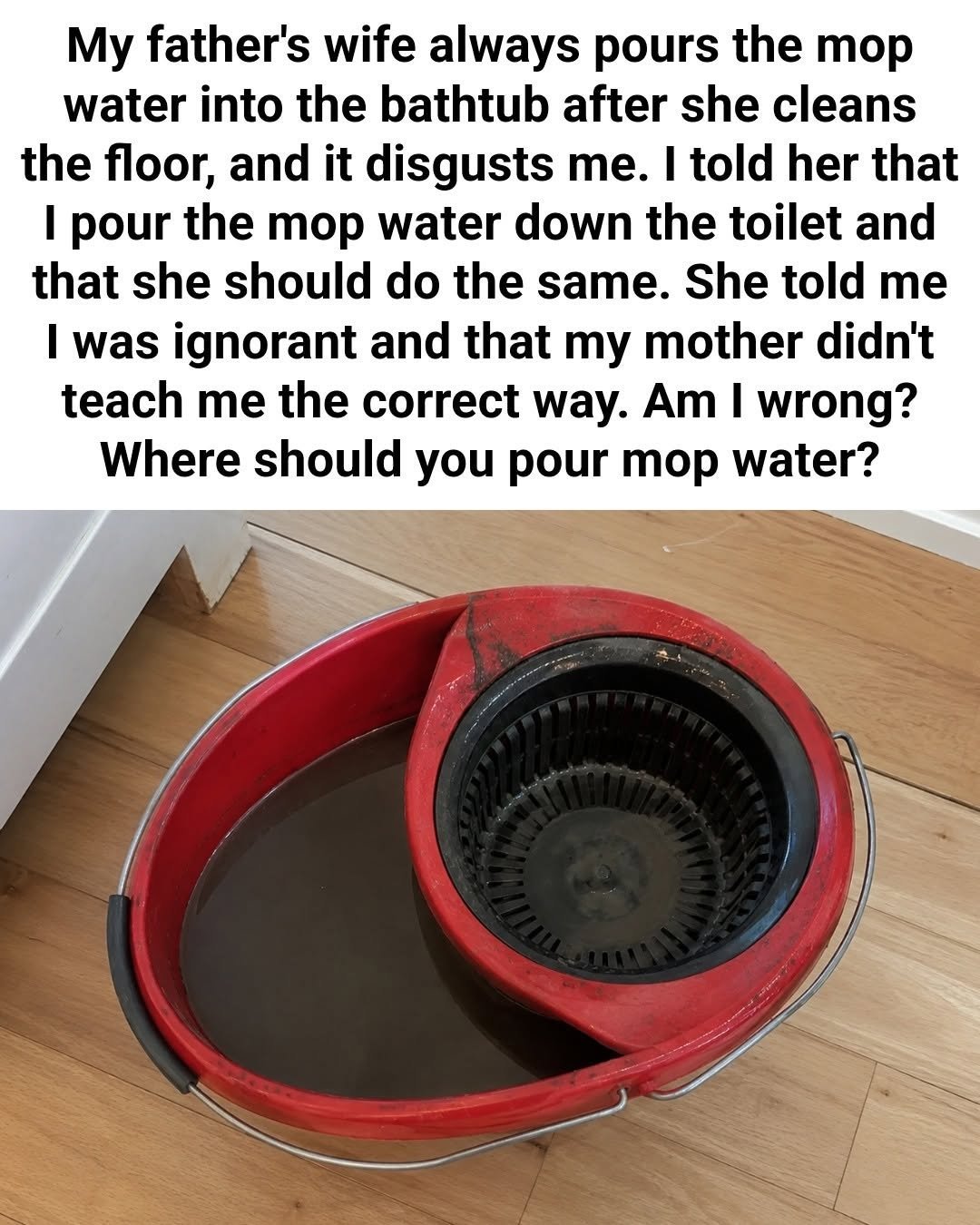
Dirty mop water feels harmless—until you’re standing there, bucket in hand, realizing you have no idea where it’s “supposed” to go. Toilet? Tub? Sink? Outside? One wrong move and you’re dealing with clogs, gross residue, or a furious roommate. The answer is simple, but the etiquette, hygiene, and plumbing drama behind it is surp…
Most homes are not designed with a perfect, obvious place for grimy mop water, so we improvise—often badly. The cleanest everyday choice is usually the toilet, because it’s built to move waste and dirty water straight into the sanitary sewer or septic system. A utility or laundry sink is even better when you have one, since it keeps floor grit and cleaning chemicals away from places where people bathe or prepare food. Wherever you pour, strain out hair, crumbs, and debris first so you are not turning your plumbing into a trash chute.
What people rarely admit is how emotional this tiny decision can feel. In shared homes, rentals, or when cleaners are involved, it quickly turns into an unspoken judgment about what’s “gross.” The simplest fix is to treat it like any other house rule: pick one disposal spot, say it out loud, and clean that area afterward. My own rule is utility sink first, toilet second, bathtub only if the water is light and I’m ready to scrub the tub immediately. That small bit of intention keeps the floors clean, the pipes clear, and the people you live with a lot less annoyed.
Website Disclaimer
The information provided on this website is for general informational and educational purposes only. While we strive to ensure that all content is accurate and up to date, we make no guarantees regarding the completeness, reliability, or accuracy of any information published.
The views and opinions expressed in articles belong to their respective authors and do not necessarily reflect the views of this website. Any action you take based on the information found on this website is strictly at your own risk. We will not be liable for any losses, damages, or inconveniences arising from the use of our content.
Some articles may contain opinions, third-party information, or external links. We do not endorse or guarantee the accuracy of content on external websites and are not responsible for their practices or policies.
All content on this website is provided in good faith and is intended for informational purposes only. Readers are encouraged to verify information independently and seek professional advice where appropriate.