For years, the idea of a “thigh gap” has been everywhere.
Social media.
Magazines.
Fitness trends.
It’s often presented as a sign of beauty—or even health. But here’s the truth: It’s not what most people think. This guide to thigh gap meaning body health explains what it really is, why it happens, and why it doesn’t define your body or your health.
What Is a Thigh Gap?
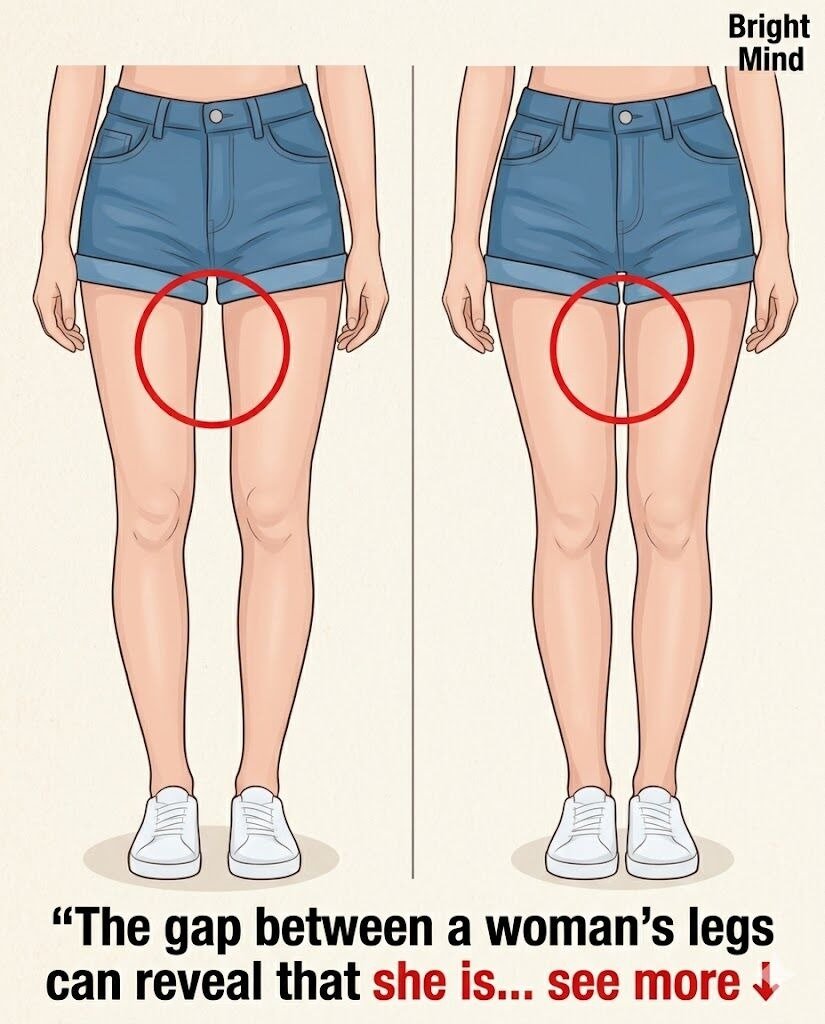
A thigh gap is simply:
👉 The space between your inner thighs when standing upright with your feet together
That’s it.
It’s not a fitness achievement.
Not a medical indicator.
Just a physical trait.
Why Some People Have It (And Others Don’t)
The biggest factor behind a thigh gap is not weight.
It’s body structure.
Things that influence it include:
Hip width
Pelvic shape
Bone structure
Muscle distribution
Research shows that many people cannot achieve a thigh gap naturally, regardless of diet or exercise
So if someone doesn’t have one…
👉 That’s completely normal.
Is a Thigh Gap a Sign of Health?
No.
This is one of the biggest myths.
Experts agree:
👉 A thigh gap is not an indicator of health or fitness
You can be:
Healthy without one
Unhealthy with one
Health depends on:
✔ Nutrition
✔ Strength
✔ Heart health
✔ Overall lifestyle
Not the space between your legs.
The Dangerous Side of the Trend
The idea of the thigh gap became popular as a beauty ideal, especially on social media.
But this has led to serious problems.
Studies link the obsession with achieving it to:
Extreme dieting
Overtraining
Eating disorders
Body image issues
Some experts warn that chasing this ideal can be:
👉 Physically and emotionally harmful
Why It Became So Popular
The thigh gap trend didn’t appear randomly.
It grew from:
Fashion industry standards
Social media influence
Unrealistic body expectations
Images online often show edited or rare body types.
And over time…
That becomes the “standard.”
Even if it’s not realistic.
The Truth About Body Fat and Health
Here’s something most people don’t realize:
👉 Fat stored in the hips and thighs can actually be beneficial
Unlike abdominal fat, which is linked to health risks, lower-body fat is often associated with better metabolic health
So having your thighs touch?
👉 That’s completely normal—and often healthy.
Why You Shouldn’t Chase It
Trying to force your body to fit a specific shape can backfire.
Because your body has natural limits.
And pushing beyond them can lead to:
Nutritional deficiencies
Hormonal issues
Mental stress
Even fitness experts emphasize:
👉 There is no real benefit to having a thigh gap
What Actually Matters for Your Body
Instead of focusing on appearance, focus on:
✔ Strength
✔ Energy
✔ Mobility
✔ Overall health
Ask yourself:
Do I feel strong?
Do I feel healthy?
Do I feel confident?
That matters far more than any trend.
The Shift Toward Body Positivity
In recent years, people have started rejecting unrealistic beauty standards.
Movements promoting natural body shapes emphasize:
👉 Every body is different
👉 Every shape is valid
And that includes:
Thigh gaps
No thigh gaps
Everything in between
A Better Way to Think About Your Body
Your body is not meant to fit a trend.
It’s meant to:
Support you
Carry you
Keep you healthy
The goal isn’t perfection.
It’s balance.
Final Thoughts
The truth about the thigh gap is simple:
👉 It’s just a physical trait—not a goal
It doesn’t define:
Your health
Your beauty
Your worth
Because real health isn’t about how your body looks…
It’s about how it functions.
And once you understand that…
Everything changes.
Website Disclaimer
The information provided on this website is for general informational and educational purposes only. While we strive to ensure that all content is accurate and up to date, we make no guarantees regarding the completeness, reliability, or accuracy of any information published.
The views and opinions expressed in articles belong to their respective authors and do not necessarily reflect the views of this website. Any action you take based on the information found on this website is strictly at your own risk. We will not be liable for any losses, damages, or inconveniences arising from the use of our content.
Some articles may contain opinions, third-party information, or external links. We do not endorse or guarantee the accuracy of content on external websites and are not responsible for their practices or policies.
All content on this website is provided in good faith and is intended for informational purposes only. Readers are encouraged to verify information independently and seek professional advice where appropriate.