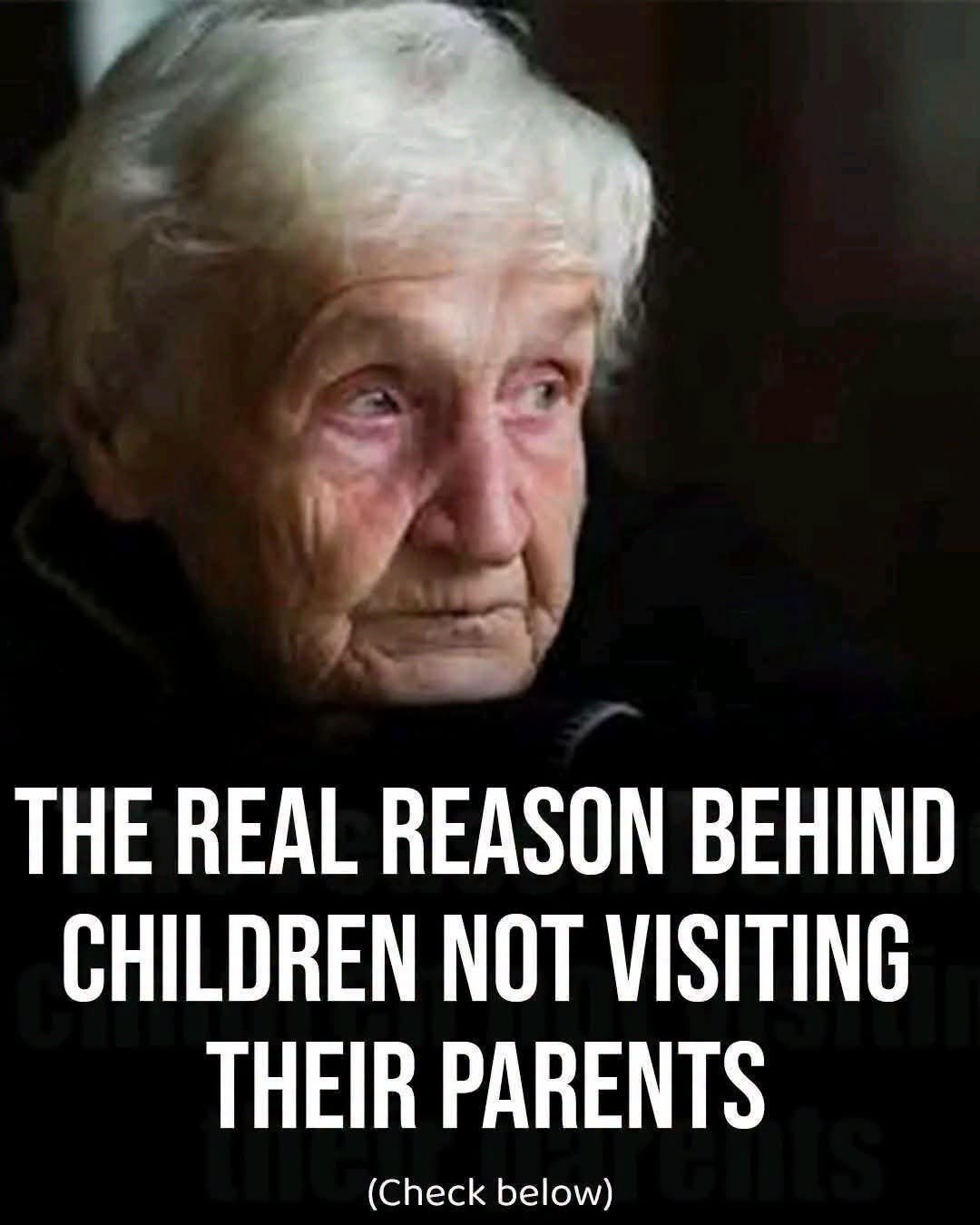
Family relationships are often described as some of the strongest emotional bonds we experience, yet they are not always easy to sustain over time. Many parents find themselves feeling confused or hurt when their adult children rarely call, visit, or show consistent interest in maintaining the relationship. While this distance can appear cold on the surface, it is rarely without reason. In most cases, it is rooted in a complex mix of past experiences, emotional patterns, and the natural changes that come with adulthood.
As people grow older, life gradually becomes more demanding and complicated. Careers, romantic relationships, and raising children of their own often take priority, leaving little time or energy for maintaining frequent contact with parents. Physical distance can make this even more difficult, especially when adult children move to different cities or countries. Over time, communication may decrease, not necessarily because love has faded, but because life’s responsibilities quietly take over. The connection weakens not through intention, but through the slow drift of everyday life.
Unresolved emotional conflicts can also play a significant role in creating distance. Old arguments, misunderstandings, or painful experiences that were never properly addressed can linger beneath the surface for years. These unresolved issues often resurface during interactions, making visits feel uncomfortable or emotionally draining. In such situations, emotional distance can become more powerful than physical distance, creating a barrier that prevents genuine connection even when family members live close to one another.
Communication gaps further deepen the divide. Parents and children may operate under different assumptions about how often they should stay in touch. While one side may believe they are giving space or respecting independence, the other may interpret this as disinterest or neglect. Without clear communication, these misunderstandings grow over time, creating a silent distance that neither side fully understands. Small, consistent efforts—such as brief messages or quick calls—often matter more than occasional grand gestures in maintaining closeness.
Another important factor is the emotional environment in which children were raised. When children grow up feeling unheard, dismissed, or unsupported, it can shape how they approach relationships later in life. As adults, they may distance themselves not out of resentment, but as a way to protect their emotional well-being. In some cases, particularly when a parent displays self-centered or narcissistic behavior, the child may feel invisible or invalidated, leading them to create boundaries to preserve their mental health.
Ultimately, the distance between parents and adult children is rarely caused by a single event. It is usually the result of gradual changes, unspoken expectations, and unresolved emotional experiences. While this distance can be painful, it is not necessarily permanent. Relationships can improve when both sides are willing to reflect, communicate openly, and make small but meaningful efforts to reconnect. Even the simplest gestures can begin to rebuild trust and closeness over time.
Website Disclaimer
The information provided on this website is for general informational and educational purposes only. While we strive to ensure that all content is accurate and up to date, we make no guarantees regarding the completeness, reliability, or accuracy of any information published.
The views and opinions expressed in articles belong to their respective authors and do not necessarily reflect the views of this website. Any action you take based on the information found on this website is strictly at your own risk. We will not be liable for any losses, damages, or inconveniences arising from the use of our content.
Some articles may contain opinions, third-party information, or external links. We do not endorse or guarantee the accuracy of content on external websites and are not responsible for their practices or policies.
All content on this website is provided in good faith and is intended for informational purposes only. Readers are encouraged to verify information independently and seek professional advice where appropriate.