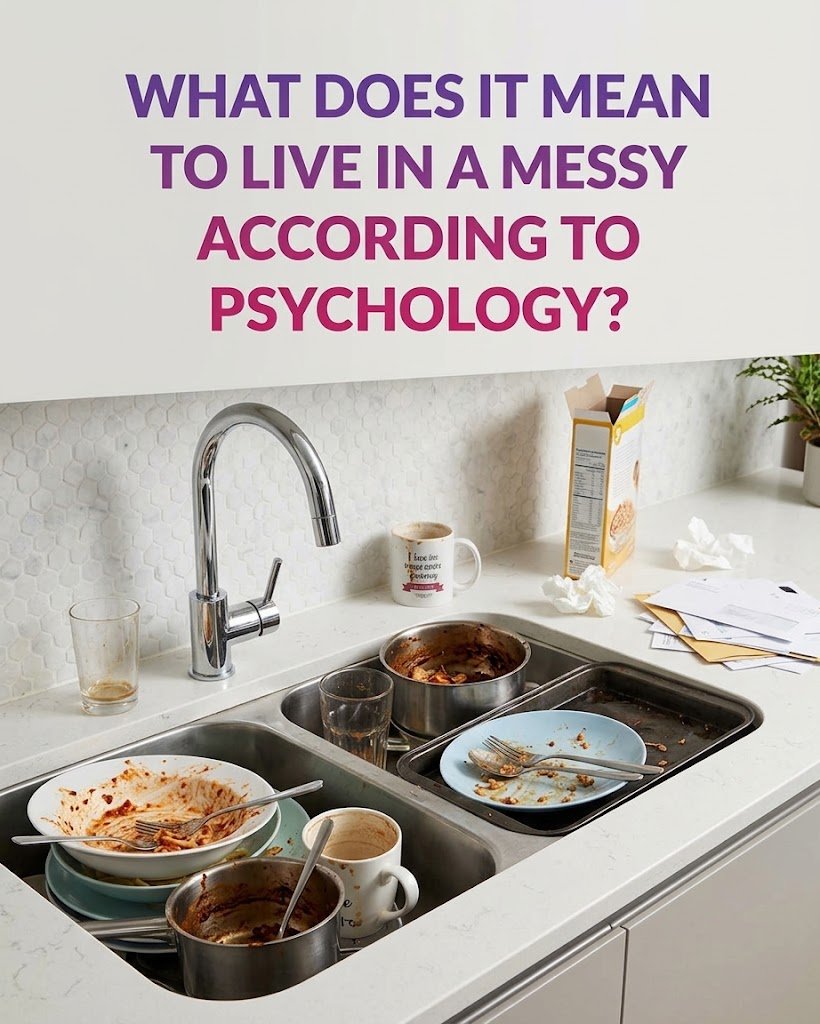
The state of a home often reflects a person’s mental and emotional well-being. Even simple habits, like washing dishes, can reveal patterns related to stress, organization, and self-care. Leaving dirty dishes in the sink is common, but when it becomes frequent, it can signal deeper issues and affect daily life.
One major reason people leave dishes unwashed is stress and exhaustion. After a long or demanding day, even small chores can feel overwhelming. Mental fatigue can make it hard to find the energy for tasks that seem minor but still require effort.
Procrastination and disorganization also play a role. Some people delay washing dishes because they view it as unpleasant or unimportant, which may reflect a broader tendency to put off responsibilities in other areas of life.
Emotional health is another factor. During periods of anxiety, low mood, or emotional difficulty, household chores often fall aside. A sink full of dishes can sometimes mirror internal overwhelm rather than laziness.
In other cases, the habit stems from a lack of structured routines. Without consistent daily habits, maintaining order at home can feel difficult, allowing clutter to build up over time.
Letting dishes pile up can have negative effects. Food residue encourages bacteria, attracts insects, and creates unpleasant odors that spread beyond the kitchen, impacting physical comfort and hygiene.
Clutter also increases mental stress. Seeing dirty dishes can trigger guilt, frustration, or a sense of chaos, making it harder to relax or feel productive in one’s own space.
Overall, washing dishes is more than a chore—it supports mental clarity, discipline, and harmony at home. While occasional messes are normal, keeping dishes under control can improve mood, health, and daily balance.
Website Disclaimer
The information provided on this website is for general informational and educational purposes only. While we strive to ensure that all content is accurate and up to date, we make no guarantees regarding the completeness, reliability, or accuracy of any information published.
The views and opinions expressed in articles belong to their respective authors and do not necessarily reflect the views of this website. Any action you take based on the information found on this website is strictly at your own risk. We will not be liable for any losses, damages, or inconveniences arising from the use of our content.
Some articles may contain opinions, third-party information, or external links. We do not endorse or guarantee the accuracy of content on external websites and are not responsible for their practices or policies.
All content on this website is provided in good faith and is intended for informational purposes only. Readers are encouraged to verify information independently and seek professional advice where appropriate.