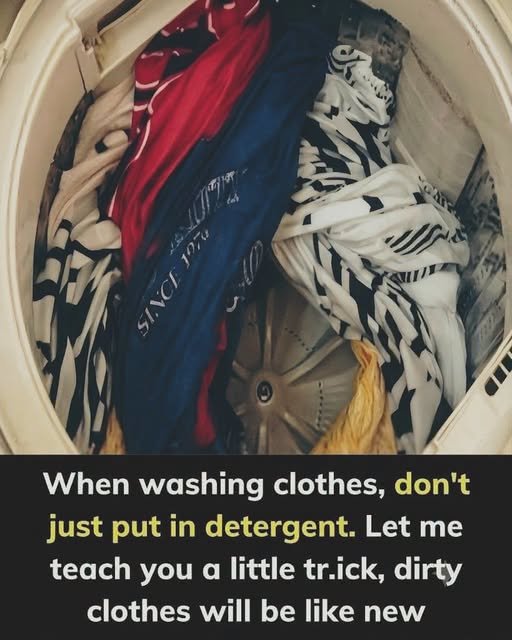
Many people do not realize how much stress everyday laundry places on their clothing. While a washing machine is designed to clean fabrics efficiently, the mechanical process inside the drum can also create friction, tension, and repeated movement that may gradually affect the quality of garments over time. Clothing that is frequently washed under harsh conditions may lose softness, shape, or durability much faster than expected.
Understanding how washing machines work can help you make better decisions about laundry care and extend the lifespan of your clothes significantly. The Hidden Impact of Washing Machines on Fabric. Inside a standard washing machine, clothes are constantly moving, rotating, and rubbing against each other as the drum spins. This action is necessary for cleaning, but it can also create friction between fabrics. Over time, this repeated movement may contribute to gradual wear, especially for delicate or lightweight materials.
When a washing machine is overloaded, the effect becomes more noticeable. Clothes have less space to move freely, which increases tangling and pressure between items. This can lead to stretching, twisting, or uneven wear in certain fabrics. Even normal loads can experience some level of mechanical stress, depending on the cycle and material type.
For this reason, proper laundry habits play an important role in maintaining clothing quality.
The Importance of Proper Loading and Fabric Care
One of the most important steps in laundry care is avoiding overloading the machine. When too many items are placed inside, the drum cannot distribute movement evenly. This increases the likelihood of clothes becoming tightly bundled together during the wash cycle.
Heavy fabrics such as denim or towels can also affect lighter garments when washed together. The difference in weight and texture can create additional friction, which may gradually weaken more delicate fabrics.
Taking time to separate clothing by type and material helps reduce unnecessary strain and allows each item to be cleaned more effectively.
A Simple Laundry Trick Using Everyday Items
Some people use simple household methods to improve the washing process and reduce fabric tangling. One commonly shared approach involves placing clean, empty plastic bottles inside the washing machine along with laundry.
The idea behind this method is that the bottles move with the clothes inside the drum, helping to create more space and separation between garments. This can reduce excessive clumping and limit the intensity of fabric-to-fabric friction during the cycle.
As the machine spins, the bottles may also help distribute movement more evenly, which some users believe can improve washing efficiency in certain situations.
However, it is important to ensure that bottles are securely closed and appropriate for use in a washing machine environment. Any added object should be used carefully and responsibly to avoid interfering with the appliance’s normal function.
Sorting Clothes for Better Results
A key part of proper laundry care is careful sorting before washing. Separating clothes by color helps prevent dye transfer, while grouping them by fabric type reduces unnecessary wear.
For example, heavy fabrics like jeans or towels are best washed separately from lighter materials such as shirts or delicate clothing. This reduces the chance of friction damage and helps maintain the original texture of each item.
It is also helpful to check pockets before washing. Small objects such as coins, keys, or pens can cause damage to both clothing and the washing machine drum if left inside.
Pre-Soaking for Improved Cleaning Performance
Pre-soaking is another technique that can improve laundry results. By allowing clothes to sit in water mixed with detergent before the main wash cycle, dirt and stains begin to loosen more effectively.
This process can be especially useful for heavily soiled fabrics or items that have absorbed sweat, oil, or other residues. A short soaking period can reduce the need for more aggressive washing cycles, which in turn may help preserve fabric quality over time.
Pre-soaking also allows cleaning agents to penetrate deeper into fibers, leading to more efficient stain removal during the wash.
Natural Cleaning Additives and Fabric Care
Some people use natural cleaning additives as part of their laundry routine. One commonly used option is vinegar, which is often added in small amounts during the washing process.
When used correctly, vinegar may help reduce odor buildup and soften fabrics naturally. It can also assist in breaking down residue left by detergents or minerals in hard water, which sometimes cause clothes to feel stiff after washing.
After the washing cycle, clothes are typically left without any strong vinegar smell, especially when used in appropriate quantities. Instead, garments may feel cleaner and softer to the touch.
Combining Methods for Better Laundry Care
Improving laundry results often comes down to combining several small habits rather than relying on one solution. Proper sorting, avoiding overloading, careful washing cycles, and optional household techniques can all contribute to better fabric care.
The goal is not only to clean clothes effectively but also to preserve their condition over time. When fabrics are treated with care, they tend to last longer, maintain their appearance, and remain more comfortable to wear.
Simple adjustments in routine can make a noticeable difference in how clothing performs after repeated washing cycles.
Smarter Laundry Habits for Longer-Lasting Clothes
While washing machines are essential for modern life, how we use them has a direct impact on clothing durability. Understanding how fabric interacts with mechanical movement helps reduce unnecessary wear and extend the life of garments.
By adopting better sorting habits, avoiding overload, using gentle cycles, and applying simple care techniques, it is possible to improve both cleaning results and fabric longevity.
In the end, good laundry care is not about complicated methods—it is about consistent, mindful habits that protect your clothes and keep them in better condition for longer.
Website Disclaimer
The information provided on this website is for general informational and educational purposes only. While we strive to ensure that all content is accurate and up to date, we make no guarantees regarding the completeness, reliability, or accuracy of any information published.
The views and opinions expressed in articles belong to their respective authors and do not necessarily reflect the views of this website. Any action you take based on the information found on this website is strictly at your own risk. We will not be liable for any losses, damages, or inconveniences arising from the use of our content.
Some articles may contain opinions, third-party information, or external links. We do not endorse or guarantee the accuracy of content on external websites and are not responsible for their practices or policies.
All content on this website is provided in good faith and is intended for informational purposes only. Readers are encouraged to verify information independently and seek professional advice where appropriate.