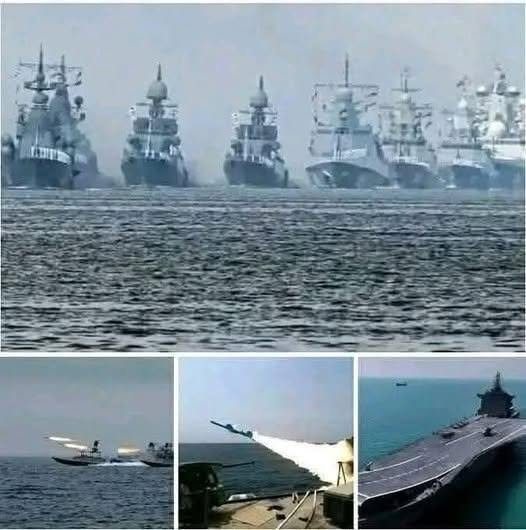
A few minutes on social media can make world events feel immediate, dramatic, and certain. Yet reality is often more complicated than the headlines racing across a screen.
A single post may claim that a country is entering a war. Another may warn of an imminent global crisis. Within minutes, fear and speculation can spread faster than verified information.
The challenge is not that international tensions are unimportant, but that serious situations are rarely as simple as they first appear.
Many people still think of conflict in traditional terms: declared wars, visible troop movements, and clear battle lines. Modern geopolitical competition often looks very different.
Cyberattacks, economic sanctions, intelligence operations, and diplomatic disputes can all shape global outcomes without resembling conventional war.
These actions can increase tension significantly, but they do not always lead to direct military conflict.
Because of this, it is important to distinguish between pressure and actual war. Not every escalation becomes a battlefield situation.
Countries may impose sanctions, support allies, or engage in negotiations that heighten tension without crossing into open conflict.
However, online discussions often compress these complex developments into simplified narratives, which can distort public understanding.
Social media accelerates this problem by rewarding speed and emotional impact. Dramatic claims often spread faster than careful analysis or verified reporting.
As a result, misinformation can travel widely before accurate context becomes available.
Staying informed requires slowing down and asking whether claims are confirmed, supported by multiple reliable sources, and backed by official statements.
It also requires accepting uncertainty, since many global developments evolve gradually and do not have immediate or clear outcomes.
Ultimately, understanding international events depends on distinguishing between urgency and accuracy, and focusing on verified facts rather than the loudest or fastest narratives.
Website Disclaimer
The information provided on this website is for general informational and educational purposes only. While we strive to ensure that all content is accurate and up to date, we make no guarantees regarding the completeness, reliability, or accuracy of any information published.
The views and opinions expressed in articles belong to their respective authors and do not necessarily reflect the views of this website. Any action you take based on the information found on this website is strictly at your own risk. We will not be liable for any losses, damages, or inconveniences arising from the use of our content.
Some articles may contain opinions, third-party information, or external links. We do not endorse or guarantee the accuracy of content on external websites and are not responsible for their practices or policies.
All content on this website is provided in good faith and is intended for informational purposes only. Readers are encouraged to verify information independently and seek professional advice where appropriate.