The Girl Who Grew Up to Become One of America’s Most Notorious Female Killers
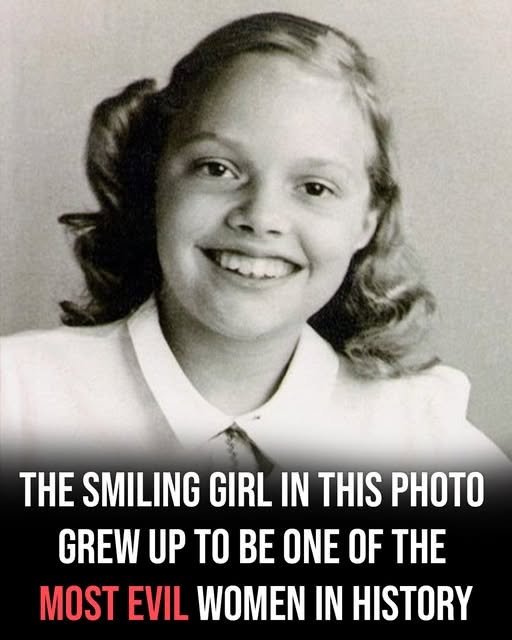
At first glance, she looked like any other little girl — bright eyes, blonde hair, and a shy smile. But behind that innocent face was a childhood marked by abandonment, instability, and painful secrets.
Born in Michigan in 1956, Aileen Wuornos experienced a devastating loss before she was old enough to understand it. When she was just four years old, her 20-year-old mother left, abandoning her and her brother. Her father, who was serving time in prison for the kidnapping and sexual assault of a young girl, died by suicide while incarcerated.
With both parents gone, the children were left in the care of their grandparents. What should have been a chance for stability instead became another difficult chapter in the young girl’s life. The emotional wounds of her early years would follow her into adulthood, shaping the way she viewed relationships, trust, and the world around her.
As she grew older, the situation reportedly became increasingly disturbing. Her grandparents struggled with alcoholism, and accounts of her childhood described physical and sexual abuse. Instead of receiving the protection and support a vulnerable child desperately needed, she faced experiences that left lasting scars.
Her name was Aileen Wuornos, a woman whose life would eventually become one of the most widely discussed criminal cases in American history.
A Troubled Adolescence
By her early teenage years, Aileen’s life had become increasingly unstable. At around 14, she became pregnant and gave birth to a son in 1971. The baby was placed for adoption, adding another painful chapter to an already difficult life.
After her grandparents died in 1971 and 1972, Aileen lost what little family stability she had left. She eventually left home as a teenager and spent time living on the streets, struggling to survive. As she grew older, she became involved in prostitution and repeatedly encountered legal and personal troubles.
The Crimes That Shocked America
Between 1989 and 1990, Wuornos killed several men in Florida. She later claimed that some of the shootings occurred in self-defense, saying she feared being attacked. Investigators, however, pursued the cases as a series of murders, and she was convicted of killing six men.
Her case attracted enormous attention because of the brutality of the crimes, her troubled upbringing, and the questions it raised about abuse, survival, and personal responsibility. Her childhood experiences became an important part of the public discussion, although they did not excuse the lives she took.
The Final Chapter
In 2002, Aileen Wuornos was executed by lethal injection in Florida after spending years on death row. Her story continued to fascinate the public long after her death, inspiring documentaries, books, and the 2003 film Monster, in which Charlize Theron portrayed her.
Wuornos’s life remains a disturbing reminder that a person’s early circumstances can be deeply damaging, while also highlighting the distinction between understanding someone’s past and excusing their actions.
Behind the headlines was a complicated human story: a childhood marked by abandonment, years of instability, and a series of choices that ended in devastating consequences for multiple families.
Her story continues to raise difficult questions about childhood trauma, society’s responsibility to protect vulnerable children, and how far empathy can go when confronting terrible crimes.
Website Disclaimer
The information provided on this website is for general informational and educational purposes only. While we strive to ensure that all content is accurate and up to date, we make no guarantees regarding the completeness, reliability, or accuracy of any information published.
The views and opinions expressed in articles belong to their respective authors and do not necessarily reflect the views of this website. Any action you take based on the information found on this website is strictly at your own risk. We will not be liable for any losses, damages, or inconveniences arising from the use of our content.
Some articles may contain opinions, third-party information, or external links. We do not endorse or guarantee the accuracy of content on external websites and are not responsible for their practices or policies.
All content on this website is provided in good faith and is intended for informational purposes only. Readers are encouraged to verify information independently and seek professional advice where appropriate.