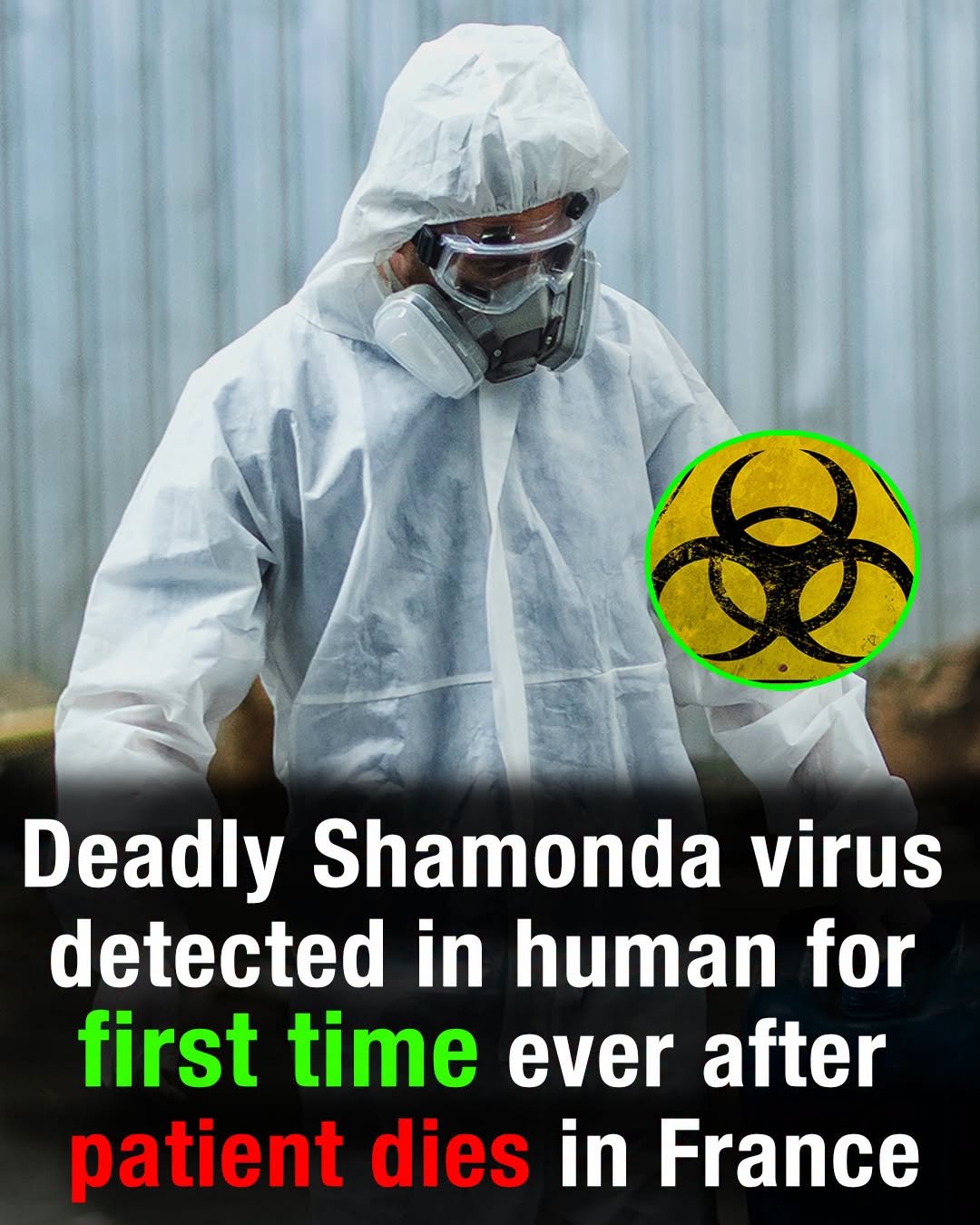
A virus that was thought to affect only animals has been found in a human for the very first time. French authorities announced today (Thursday, October 22) that the Shamonda virus had been detected in a patient in the country.
The patient, it’s reported, died earlier this month, after being treated at the Hospices Civils de Lyon, one of France’s largest hospital groups, for a serious illness. They were also suffering from a severely impaired immune system.
According to the authorities, the brain complications the patient developed before their death in early October were very likely linked to the virus.
Investigations are still underway, with experts in human, animal and environmental health working together to understand how the infection happened.
Until now, Shamonda was considered non-transmissible to humans, the French government said. The virus has circulated in animals in Africa and Asia for decades, but no human case had ever been previously recorded.
The French authorities describe the case in question exceptional, in a patient with a severely weakened immune system. They also stressed that, based on what is currently known about the virus, there is no identified health risk to the general public.
Reportedly, the virus is spread to animals by tiny biting midges. It was first identified in Nigeria in the mid-1960s and has since been found sporadically in cattle in parts of Africa and in Japan.
Meanwhile, it was detected in Europe for the first time in the summer of 2026, on cattle farms in France. In cattle, the virus can cause fever, digestive problems and abdominal pain. It can also cause miscarriages, and birth defects in calves whose mothers were infected while pregnant.
The statement from France’s Ministry of Agriculture reads: “Clinical, biological, and epidemiological investigations are still underway.”
It added: “Despite decades of circulation of the Shamonda virus in Africa and Asia, no human cases had been documented until now. This is therefore an exceptional case occurring in a severely immunocompromised patient.
“As a reminder, and based on current knowledge about this virus, no health risk to the general population has been identified to date.
Website Disclaimer
The information provided on this website is for general informational and educational purposes only. While we strive to ensure that all content is accurate and up to date, we make no guarantees regarding the completeness, reliability, or accuracy of any information published.
The views and opinions expressed in articles belong to their respective authors and do not necessarily reflect the views of this website. Any action you take based on the information found on this website is strictly at your own risk. We will not be liable for any losses, damages, or inconveniences arising from the use of our content.
Some articles may contain opinions, third-party information, or external links. We do not endorse or guarantee the accuracy of content on external websites and are not responsible for their practices or policies.
All content on this website is provided in good faith and is intended for informational purposes only. Readers are encouraged to verify information independently and seek professional advice where appropriate.