A lopsided Senate vote drew attention because it rejected an effort led by Senator Bernie Sanders to block a major United States arms sale to Israel. The viral headline presents the result as a direct shock to Donald Trump, but the substance of the vote concerned American military support, civilian harm in Gaza, and whether Congress should use its authority to stop particular weapons transfers. The 79 to 18 margin showed that most senators were unwilling to halt the sale. Sanders and the senators who supported the resolutions argued that the scale of destruction and civilian suffering required a change…
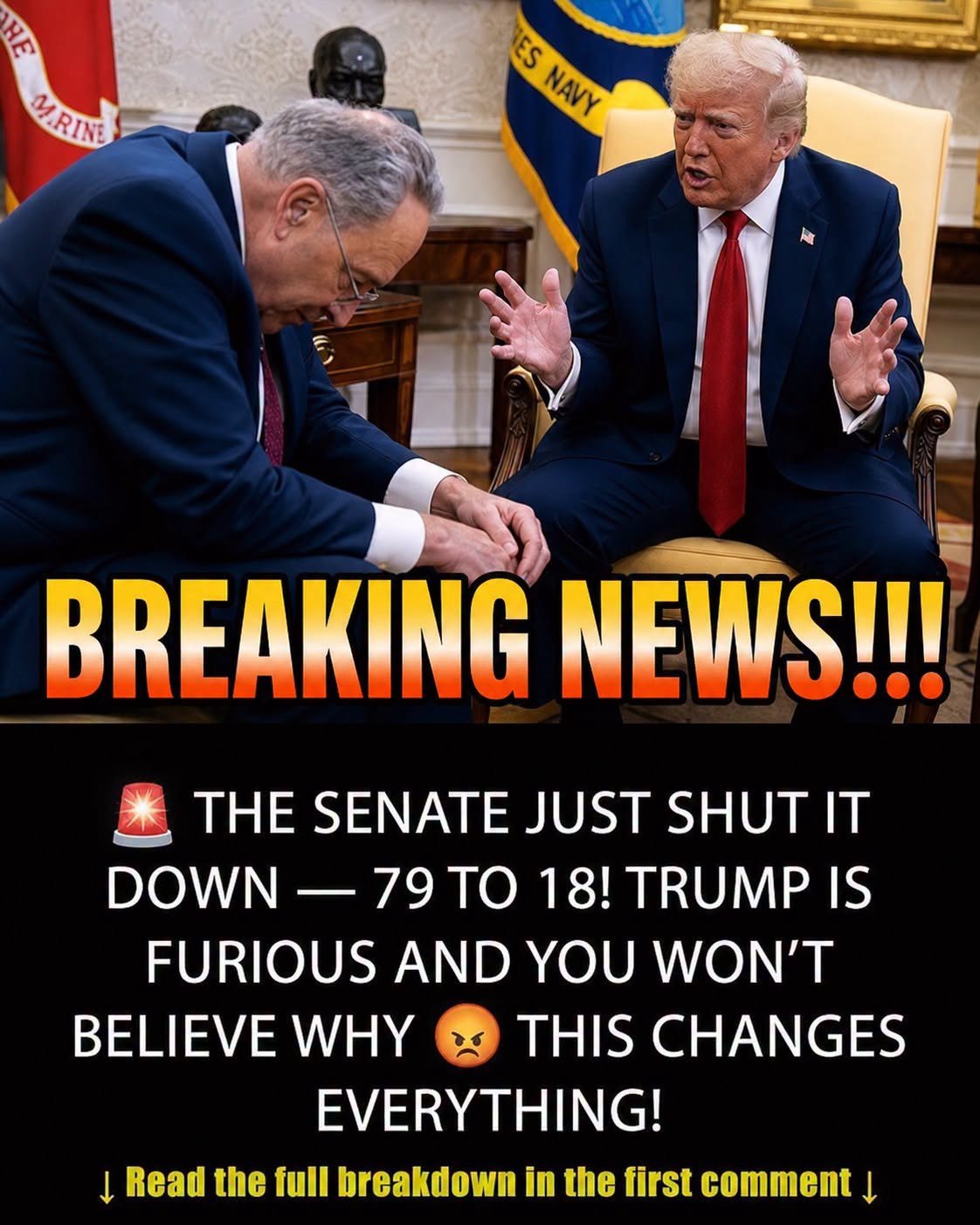
A lopsided Senate vote drew attention because it rejected an effort led by Senator Bernie Sanders to block a major United States arms sale to Israel. The viral headline presents the result as a direct shock to Donald Trump, but the substance of the vote concerned American military support, civilian harm in Gaza, and whether Congress should use its authority to stop particular weapons transfers. The 79 to 18 margin showed that most senators were unwilling to halt the sale.
Sanders and the senators who supported the resolutions argued that the scale of destruction and civilian suffering required a change in policy. They pointed to reports of deaths, damaged hospitals, displacement, and restrictions affecting food and medical care. In their view, continuing to provide offensive weapons without stronger conditions made the United States responsible for how those weapons might be used. Their effort was designed to force a recorded vote rather than allow the transfer to proceed with little public debate.
The proposed measures were joint resolutions of disapproval. Congress can use that process to challenge an arms sale announced by the executive branch, although stopping a transfer is politically difficult. A resolution must pass both chambers and can face a presidential veto. Even when defeat is expected, supporters may introduce such measures to put lawmakers on record and press the administration for different conditions.
Opponents of the resolutions emphasized Israel’s security and the threats it faces from Hamas, Hezbollah, Iran, and other armed groups. They argued that withdrawing military support during a conflict could weaken an ally, reduce deterrence, and encourage further attacks. Some senators also maintained that disputes about humanitarian conduct should be addressed through diplomacy and oversight rather than by blocking weapons that Israel says it needs for defense.
The vote therefore reflected two competing claims. One side said American leverage should be used immediately because civilian protection and international law cannot remain secondary. The other said the proposed cutoff was too broad or poorly timed and could endanger Israel without necessarily improving conditions for Palestinians. The overwhelming result did not settle the moral debate; it showed where the Senate majority stood on the specific legislative action.
Numbers in viral posts can be misleading when they are detached from the question actually decided. A 79 to 18 vote does not mean senators voted on whether civilian deaths matter, nor does it establish that every member approved every military action. It records how senators voted on particular resolutions affecting identified arms transfers. Understanding the measure, date, weapons involved, and legal effect is necessary before assigning a broader meaning to the tally.
The debate also revealed growing disagreement inside the Democratic coalition and among voters. Sanders has repeatedly argued that Israel has a right to defend itself but should not receive unconditional support while civilians endure mass suffering. Other Democrats have voiced similar concerns while stopping short of voting to block sales. Republicans have generally defended a stronger and less conditional military relationship with Israel.
Presidential politics gave the vote additional attention. Decisions about arms sales are initiated and administered by the executive branch, but Congress controls funding and has oversight powers. Trump has presented himself as a firm supporter of Israel, while critics have pushed him and other presidents to explain how American assistance will be kept consistent with humanitarian obligations. The Senate result strengthened the position of an administration seeking to continue the transfer, regardless of the dramatic framing used online.
For the public, the most reliable approach is to read the resolution and roll-call vote rather than relying on a headline that treats politics as a surprise ending. The vote was significant because it forced senators to choose between continued arms support and an effort to impose a limit. It also ensured that the argument over American responsibility, Israeli security, and Palestinian civilian life remained part of the official congressional record.
Website Disclaimer
The information provided on this website is for general informational and educational purposes only. While we strive to ensure that all content is accurate and up to date, we make no guarantees regarding the completeness, reliability, or accuracy of any information published.
The views and opinions expressed in articles belong to their respective authors and do not necessarily reflect the views of this website. Any action you take based on the information found on this website is strictly at your own risk. We will not be liable for any losses, damages, or inconveniences arising from the use of our content.
Some articles may contain opinions, third-party information, or external links. We do not endorse or guarantee the accuracy of content on external websites and are not responsible for their practices or policies.
All content on this website is provided in good faith and is intended for informational purposes only. Readers are encouraged to verify information independently and seek professional advice where appropriate.