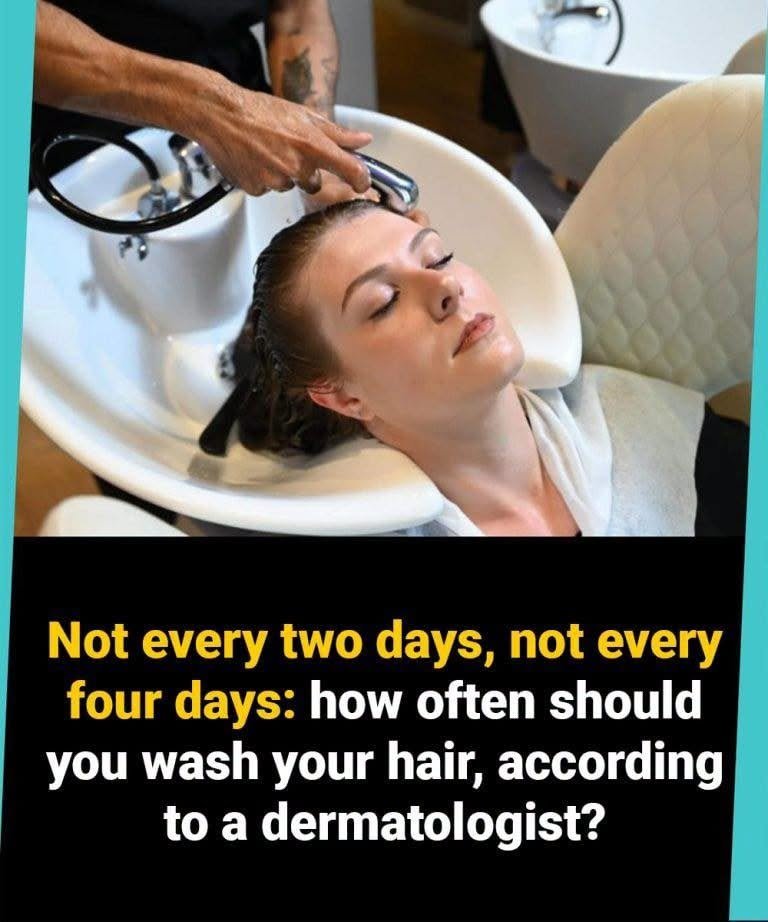
How Often Should You Wash Your Hair? Experts Explain the Ideal Routine
Scalp hygiene is key to healthy-looking hair. Experts agree that the ideal frequency is usually between three and five washes per week, depending on hair type and lifestyle. Washing your hair regularly prevents buildup, unpleasant odors, and facilitates any subsequent hair treatments.
Dermatologist Alex Docampo denies that washing hair frequently increases oiliness: “Many people think that washing their hair a lot is bad because it damages it, or that paradoxically, washing it more often produces more sebum and makes the hair dirtier, but this is completely false.” The important thing is to adapt your hygiene routine to your scalp.
Should you wash your hair 3 to 5 times a week?
This range of washes promotes the removal of sebum and product residue, improves follicle oxygenation, and reduces the risk of irritation. It also helps control odor and the proliferation of fungi and bacteria in warm environments. Each scalp will require adjustments depending on physical activity and climate.
The Hair Surgical Institute explains: “The frequency of hair washing can vary depending on different individual factors, such as hair type, daily activities, scalp condition, use of hair products, and hairstyles.” Therefore, the routine should be adapted to each person’s daily life.
Your hair type matters
People with naturally oily scalps may need to wash their hair more frequently, sometimes even daily, particularly if they exercise often or live in a hot, humid climate. Excess oil can combine with sweat, dead skin cells, and styling products, leaving the scalp feeling greasy or uncomfortable.
On the other hand, people with dry, curly, or very textured hair may benefit from washing less frequently. Natural oils can take longer to travel from the scalp down the length of the hair, so excessive washing may leave the hair feeling dry or brittle.
Exercise and lifestyle can change your routine
Your daily habits are another important factor. Someone who exercises intensely and sweats heavily may need to cleanse their scalp more often than someone with a sedentary lifestyle. The same applies to people who regularly use gels, sprays, oils, dry shampoo, or other styling products.
Weather can also make a difference. Hot temperatures and high humidity can increase sweating and oil production, while cold, dry weather may make some scalps more prone to dryness.
How to wash your hair properly
The technique can be just as important as the number of washes. Use a shampoo appropriate for your scalp and concentrate primarily on cleansing the scalp rather than aggressively scrubbing the entire length of the hair.
Massage gently with your fingertips and rinse thoroughly. Avoid using very hot water, which can contribute to dryness and irritation. Conditioner can generally be applied mainly to the lengths and ends, especially when the hair is dry or damaged.
What if your scalp feels dirty before your next wash?
There is no need to follow a strict schedule simply because a particular number is recommended. If your scalp becomes noticeably greasy, sweaty, itchy, or uncomfortable, that may be a sign that you need to wash it sooner.
Likewise, if your hair feels unusually dry, rough, or irritated after frequent washing, you may need to reduce the frequency or change the products you’re using.
The key is finding your personal balance
There is no universal washing schedule that works for everyone. Three to five washes per week can be a useful starting point for many people, but scalp oiliness, hair texture, exercise, climate, styling products, and existing scalp conditions all influence the ideal routine.
Ultimately, healthy hair begins with a healthy scalp. Rather than worrying about a fixed number of washes, pay attention to how your scalp and hair respond and adjust your routine accordingly. If persistent itching, redness, heavy flaking, sores, or unusual hair loss develops, a dermatologist can help identify the underlying cause and recommend an appropriate treatment.
Website Disclaimer
The information provided on this website is for general informational and educational purposes only. While we strive to ensure that all content is accurate and up to date, we make no guarantees regarding the completeness, reliability, or accuracy of any information published.
The views and opinions expressed in articles belong to their respective authors and do not necessarily reflect the views of this website. Any action you take based on the information found on this website is strictly at your own risk. We will not be liable for any losses, damages, or inconveniences arising from the use of our content.
Some articles may contain opinions, third-party information, or external links. We do not endorse or guarantee the accuracy of content on external websites and are not responsible for their practices or policies.
All content on this website is provided in good faith and is intended for informational purposes only. Readers are encouraged to verify information independently and seek professional advice where appropriate.