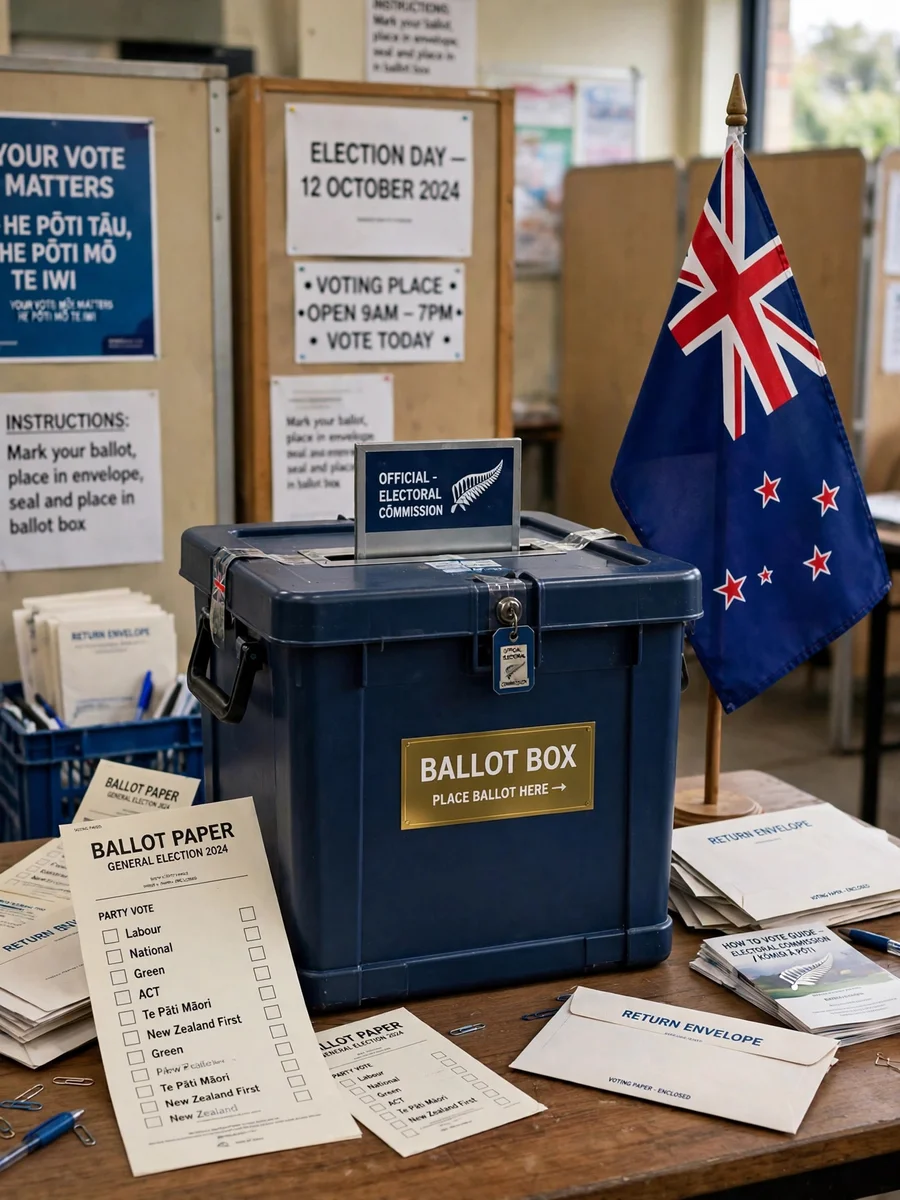
New Zealand’s election has ended in deadlock. The final vote count, published on Friday, showed that neither the right-wing incumbents nor the left-wing opposition won enough seats to form a majority — leaving a centrist party that is new to Parliament holding the balance of power.

The result is a dramatic twist in what was already the tightest vote in years. On election night, November 7, the conservative bloc finished with a wafer-thin majority. But after the counting of around 400,000 special votes — including ballots cast by New Zealanders living overseas — the picture changed completely.
One seat short
The Electoral Commission confirmed that Prime Minister Christopher Luxon’s National Party lost two seats in the final count, finishing with 40. Together with its traditional partners, the libertarian ACT Party on 13 seats and the populist NZ First on 12, the right-wing bloc now holds 65 seats in the 130-seat Parliament — exactly one short of the 66 needed for a majority.
The left-wing opposition, led by Labour’s Chris Hipkins, won 58 seats, up by one from election night. Labour itself took 36 of those. But even with the support of the Greens and Te Pati Maori, the left cannot reach a majority either.
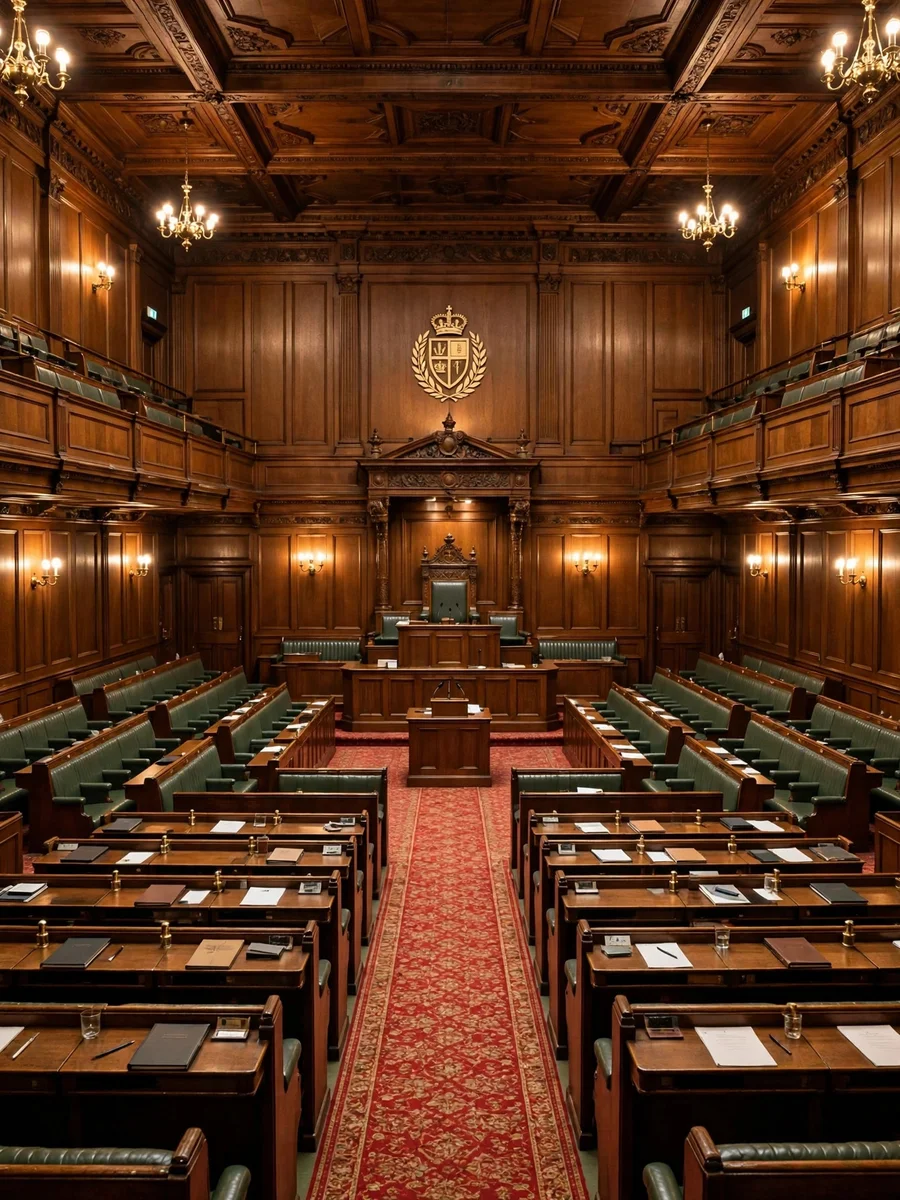
That leaves the new entrant to Parliament, the Opportunity Party, with the ultimate power to decide who governs. The unaligned centrist group won seven seats in its first election, a remarkable result for a party that had never sat in Parliament before.
The newcomer who decides everything
Opportunity is led by 38-year-old business consultant and political newcomer Qiulae Wong, who has said she could work with either side to form a government. On Friday, she said she would negotiate first with National, as the party with the largest number of seats.
Luxon said he was confident he could form a government with Opportunity and his traditional partners. But it will not be simple. To break the deadlock and return his centre-right National Party for a second term, he needs the endorsement of all three minor parties — Opportunity, ACT and NZ First — each of which will seek deep policy concessions in return for its support.
That is a difficult balancing act. Opportunity’s platform includes stronger climate commitments, a ban on bottom-trawling fishing, tighter competition rules and a more interventionist approach to public investment — policies that cut against parts of the coalition’s agenda. ACT and NZ First, meanwhile, have their own very different demands.
A rebuke to the major parties
The final count also told a wider story about New Zealand politics. Labour actually won a larger share of the vote than National — 29.88 percent against 28.35 percent — but National secured more seats because more of its candidates won local electorate races. In total, around 2.9 million votes were cast, including nearly 485,000 special votes, which typically lean to the left.
Wong’s pledges of evidence-based centrism and an end to partisan bickering appear to have struck a chord with voters, delivering a stinging rebuke to the two major parties that have dominated New Zealand politics for decades. Hipkins himself admitted on Friday that Opportunity’s support would not be enough to install a left-wing government — an apparent concession of defeat.

For now, Luxon remains caretaker prime minister, and he is the only leader with a viable path to power. But the negotiations ahead will be fraught, and the shape of New Zealand’s next government now rests in the hands of a 38-year-old newcomer and her seven MPs.
Website Disclaimer
The information provided on this website is for general informational and educational purposes only. While we strive to ensure that all content is accurate and up to date, we make no guarantees regarding the completeness, reliability, or accuracy of any information published.
The views and opinions expressed in articles belong to their respective authors and do not necessarily reflect the views of this website. Any action you take based on the information found on this website is strictly at your own risk. We will not be liable for any losses, damages, or inconveniences arising from the use of our content.
Some articles may contain opinions, third-party information, or external links. We do not endorse or guarantee the accuracy of content on external websites and are not responsible for their practices or policies.
All content on this website is provided in good faith and is intended for informational purposes only. Readers are encouraged to verify information independently and seek professional advice where appropriate.