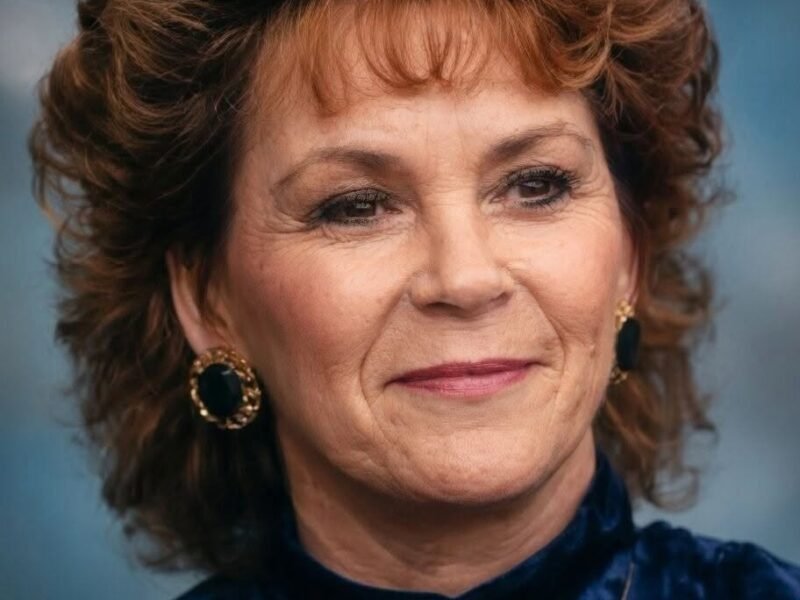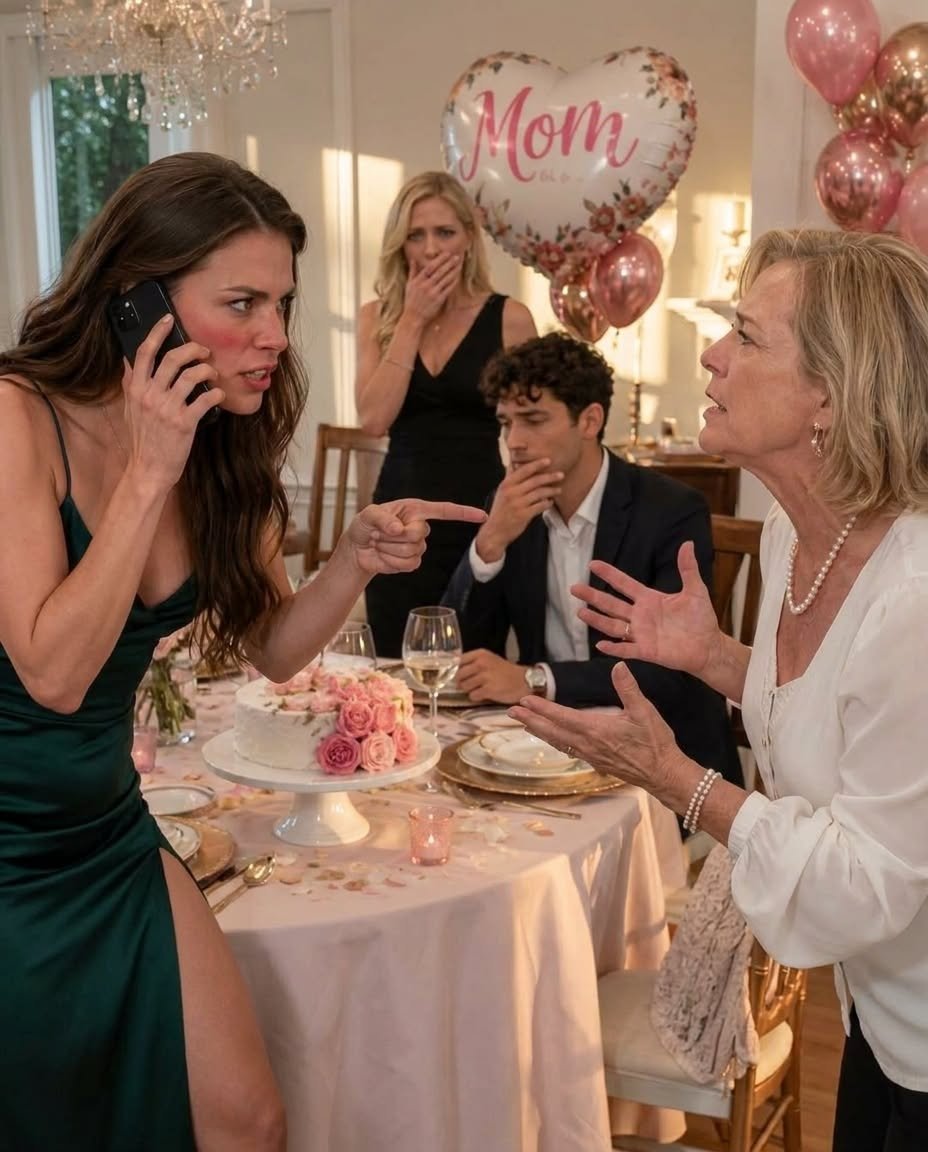
The waiter was carrying my mother’s birthday cake toward our table when she announced that she wished my brother had been her only child. The candles trembled above the frosting, and for one long second even the restaurant seemed to stop breathing. James laughed, my father hid a smile behind his napkin, and my aunt stared down at her plate while I sat holding the diamond bracelet Mom had spent months hinting that she wanted. No one defended me or even said my name. Mom simply dabbed at her mouth and added that James had always been easier to love. I placed the unopened gift beside my chair, stood, and walked away without giving them the argument they expected. At 11:46 that night, she called in tears—not to apologize, but because the mortgage payment I usually covered had failed to arrive.
For seven years, I had treated usefulness as the price of belonging. After Dad’s stroke, I paid their mortgage every month, handled insurance claims, covered medication, and prevented James’s unpaid taxes from becoming a lien against the house. I also funded legal fees, utility bills, credit-card settlements, and even the granite countertops Mom described as an emergency because she was embarrassed to host friends in the old kitchen. James received endless second chances after failed jobs, reckless investments, and years of living at home, while my own requests for help were answered with lectures about independence. When Mom demanded that I restore the payment, I told her I was honoring her birthday wish: the child she did not want would no longer finance the family. The next morning, James stormed into my office and learned that I had documented every transfer—$642,900 in total—and permanently canceled all automatic payments.
Before James could leave, my parents’ estate attorney, Mr. Crawford, arrived carrying documents from my grandmother’s trust. He explained that Grandma had left me a lake house and a substantial investment account, yet my parents had secretly drawn distributions from both for years. Five authorization forms carried careful imitations of my signature, and James’s name appeared beneath two of them as a witness. The family had also begun transferring the lake property into a shell arrangement he controlled, assuming I would continue paying their expenses while never examining the estate records. Mr. Crawford resigned from representing them, preserved the original documents, and sent the forged authorizations to the court. By noon, my attorney had frozen the trust, reversed pending withdrawals, and stopped the property transfer—and the birthday insult that ended my support had uncovered a betrayal far larger than unpaid bills.
The case moved through months of hearings, forensic accounting, bank records, and testimony under oath. My parents claimed there had been an informal family agreement, but they could produce no email, message, or legal authorization showing I had approved a single withdrawal. The judge ordered full restitution with interest, confirmed the lake house in my name alone, and attached a court order preventing any future transfer without my consent. James sold his car to cover legal obligations, while my parents faced the mortgage, insurance, and consumer debt they had expected me to keep absorbing. Their unfinished renovation became part of the financial collapse, with contractors leaving exposed plywood where imported stone had been planned. No dramatic sentence repaired the relationship, but the legal process restored my property, protected my estate, and ended their access to the money they had mistaken for a daughter’s duty.
On my next birthday, I sat alone on the lake-house porch wearing the bracelet I had originally purchased for my mother. The evening light spread across the water, and for once no phone call, overdue bill, or family emergency was waiting to interrupt the quiet. Mom sent a message saying she missed her daughter, but the words arrived without accountability for the child she had wished away or the trust she had helped steal. I reminded her that she had chosen one child and could ask James for what she needed, then blocked her number. For years, I believed love could be earned through payments, rescued mortgages, and insults quietly forgiven. The lake house taught me otherwise. Peace did not ask me to prove my usefulness before allowing me to stay.
Website Disclaimer
The information provided on this website is for general informational and educational purposes only. While we strive to ensure that all content is accurate and up to date, we make no guarantees regarding the completeness, reliability, or accuracy of any information published.
The views and opinions expressed in articles belong to their respective authors and do not necessarily reflect the views of this website. Any action you take based on the information found on this website is strictly at your own risk. We will not be liable for any losses, damages, or inconveniences arising from the use of our content.
Some articles may contain opinions, third-party information, or external links. We do not endorse or guarantee the accuracy of content on external websites and are not responsible for their practices or policies.
All content on this website is provided in good faith and is intended for informational purposes only. Readers are encouraged to verify information independently and seek professional advice where appropriate.