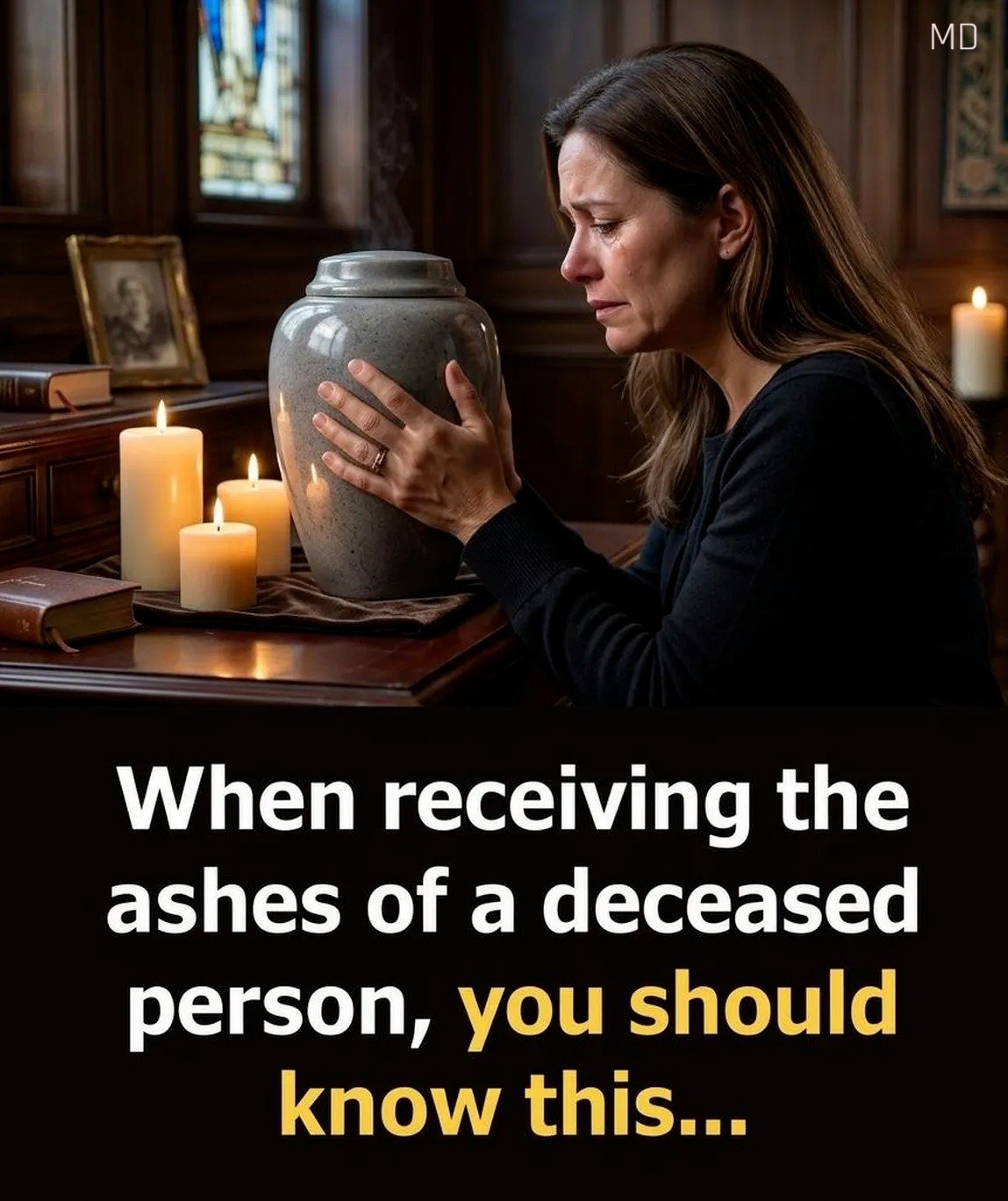
The loss of a loved one is one of life’s most emotional experiences, and every family finds comfort in different ways. In recent years, cremation has become increasingly common across the United States, leading many people to ask whether keeping a loved one’s ashes at home is the right choice. For some families, an urn placed beside a favorite photograph, candle, or meaningful keepsake provides a sense of closeness and peace during the grieving process. Especially for those who have lost a longtime spouse or parent, having a quiet reminder nearby can offer comfort during difficult moments. Ultimately, the decision is deeply personal and often shaped by emotional needs, family traditions, and spiritual beliefs.
Different faiths and cultures have their own perspectives on how ashes should be handled after cremation. Some spiritual traditions believe that returning ashes to nature or placing them in a peaceful resting place symbolizes release, healing, and respect for the journey of the soul. In Christianity, many denominations now accept cremation, though some encourage families to keep ashes in a cemetery, church columbarium, or another sacred location. Protestant beliefs may vary depending on the family and community, but most emphasize honoring the memory of the person with dignity and love. Across all traditions, the common message is that remembrance should come from compassion and respect rather than fear or obligation.
Grief experts often remind families that there is no single “correct” way to mourn. For some people, keeping ashes at home can help create a comforting sense of connection and support emotional healing over time. For others, however, seeing the urn every day may make it harder to move forward after a loss. In those cases, alternative memorials may provide a gentler path toward healing. Families sometimes choose to plant memorial gardens, create photo albums, support charities in honor of their loved one, or gather for meaningful remembrance ceremonies. The goal is not to follow strict rules, but to choose what brings peace, comfort, and healthy reflection for those left behind.
Practical considerations are also important when making this decision. Families should think carefully about where ashes will be stored, how they will be cared for in the future, and whether local regulations apply to scattering ashes outdoors. Some relatives decide to divide ashes into smaller keepsakes so multiple family members can share in remembrance. Others prefer a single resting place that loved ones can visit together. No matter which option is chosen, the most meaningful part of the decision is the intention behind it. Whether ashes remain at home, are placed in a memorial site, or scattered in a meaningful location, what truly matters is the love, respect, and lasting memory shared with the person who has passed away.
Website Disclaimer
The information provided on this website is for general informational and educational purposes only. While we strive to ensure that all content is accurate and up to date, we make no guarantees regarding the completeness, reliability, or accuracy of any information published.
The views and opinions expressed in articles belong to their respective authors and do not necessarily reflect the views of this website. Any action you take based on the information found on this website is strictly at your own risk. We will not be liable for any losses, damages, or inconveniences arising from the use of our content.
Some articles may contain opinions, third-party information, or external links. We do not endorse or guarantee the accuracy of content on external websites and are not responsible for their practices or policies.
All content on this website is provided in good faith and is intended for informational purposes only. Readers are encouraged to verify information independently and seek professional advice where appropriate.