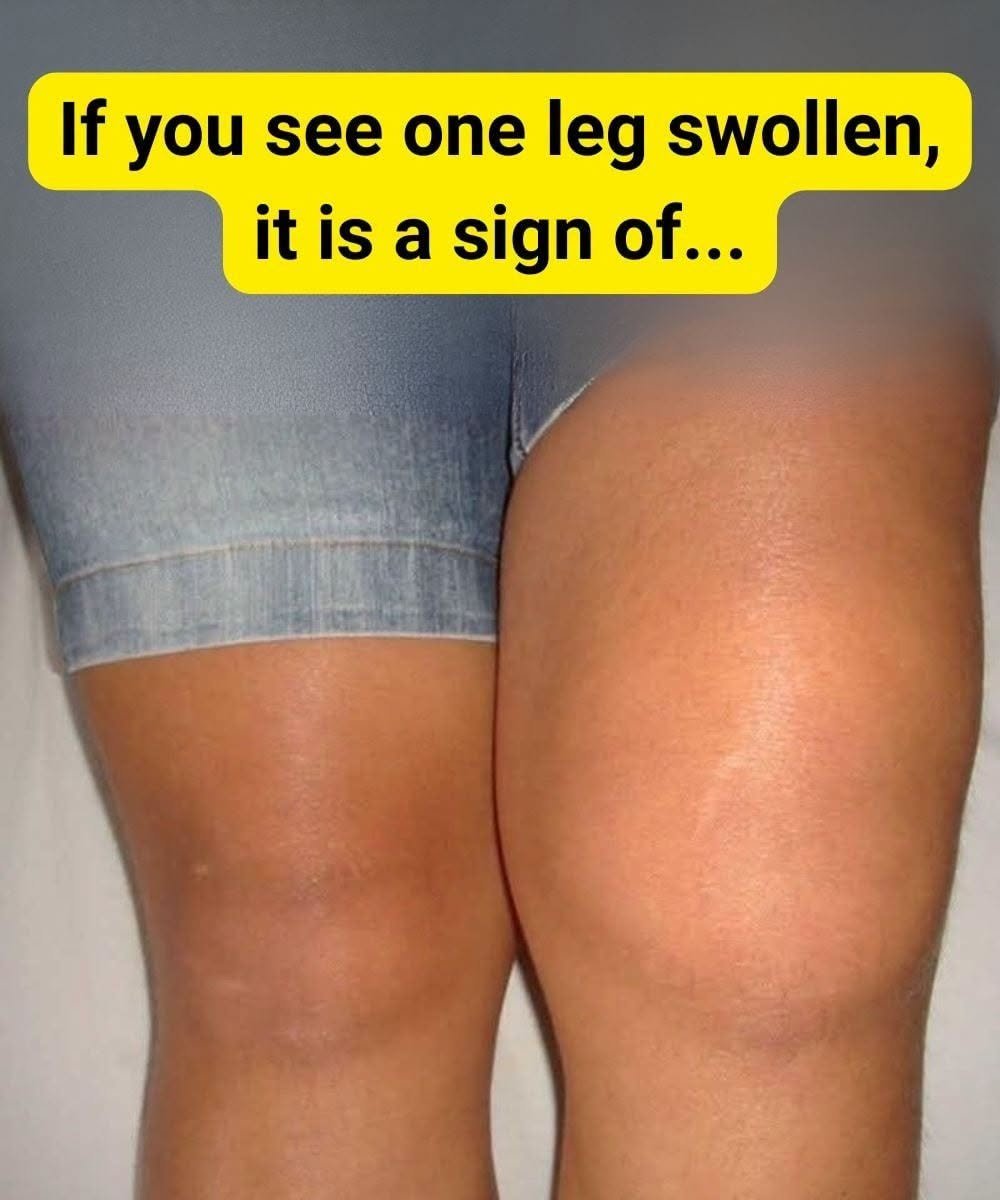
One Leg Swollen? Here’s What It Could Mean and When to Seek Medical Help
If you notice that only one leg is swollen, it is often a sign of a localized problem rather than a whole-body condition. The cause can range from a minor injury to a circulation problem that requires urgent medical attention. Paying attention to how quickly the swelling developed and whether other symptoms are present can help determine how seriously it should be taken.
Injury or Trauma
A sprain, fracture, muscle strain, or other injury can cause inflammation and fluid to build up around the affected area. Swelling may occur shortly after the injury and can be accompanied by bruising, tenderness, or difficulty putting weight on the leg.
Even if you don’t remember a specific injury, strenuous exercise or an awkward movement can sometimes cause muscle or soft-tissue damage that results in swelling.
Infection
An infection such as cellulitis can also cause swelling in one leg. The affected skin may become red, warm, tender, and painful. Some people also develop fever or chills.
Cellulitis can begin after a small cut, insect bite, blister, or other break in the skin. Because untreated infections can spread, symptoms of a possible skin infection should be evaluated by a healthcare professional.
Deep Vein Thrombosis (DVT)
One of the more important causes to consider is deep vein thrombosis, a blood clot in a deep vein, usually in the leg. DVT can cause swelling, pain or tenderness, warmth, and sometimes discoloration of the affected leg.
DVT is potentially dangerous because part of the clot can break away and travel to the lungs, causing a pulmonary embolism.
Risk can be higher after prolonged immobility, surgery, hospitalization, long-distance travel, pregnancy, or certain medical conditions and medications. However, a clot can sometimes occur without an obvious trigger.
Vein and Lymphatic Problems
Long-term problems with blood or lymphatic circulation can also produce swelling on one side. Chronic venous insufficiency may cause fluid to accumulate in the lower leg, particularly after standing for long periods. Lymphedema, which involves impaired drainage of lymph fluid, can produce persistent swelling and a feeling of heaviness or tightness.
These conditions generally require medical evaluation to determine the underlying cause and appropriate treatment.
When Should You Seek Urgent Care?
Sudden or unexplained swelling in one leg should not automatically be assumed to be harmless. Seek urgent medical attention if the swelling is new and significant, particularly if it is accompanied by pain, warmth, redness, or tenderness.
If leg swelling occurs with chest pain, sudden shortness of breath, coughing up blood, fainting, or a rapid heartbeat, seek emergency medical care immediately. These symptoms can indicate a pulmonary embolism.
Don’t Try to Diagnose the Cause Yourself
The appearance of swelling alone cannot reliably distinguish between an injury, infection, blood clot, or circulation problem. A healthcare professional may need to examine the leg and, depending on the symptoms and risk factors, perform tests such as an ultrasound.
In the meantime, avoid ignoring sudden unexplained swelling or attempting to treat a potentially serious cause at home. One swollen leg can have many explanations, but prompt evaluation is especially important when the swelling is sudden, painful, worsening, or accompanied by breathing or chest symptoms.
Website Disclaimer
The information provided on this website is for general informational and educational purposes only. While we strive to ensure that all content is accurate and up to date, we make no guarantees regarding the completeness, reliability, or accuracy of any information published.
The views and opinions expressed in articles belong to their respective authors and do not necessarily reflect the views of this website. Any action you take based on the information found on this website is strictly at your own risk. We will not be liable for any losses, damages, or inconveniences arising from the use of our content.
Some articles may contain opinions, third-party information, or external links. We do not endorse or guarantee the accuracy of content on external websites and are not responsible for their practices or policies.
All content on this website is provided in good faith and is intended for informational purposes only. Readers are encouraged to verify information independently and seek professional advice where appropriate.