For generations, most brides dropped their maiden name after the wedding, while a smaller group joined two surnames with a hyphen. Now Gen Z couples are rewriting that rulebook — instead of taking one partner’s name or arguing over hyphen order, they are fusing parts of both surnames into a brand-new word.
The trend is called “meshing”, and it is spreading across wedding registries and social media. Legal name-change services report hundreds of couples choosing blended surnames as a symbol of a fresh, shared start — for example, Mr. Pugh and Miss Griffin becoming Mr. and Mrs. Puffin.
The appeal, the article says, is about more than how the name sounds. Couples want a surname that reflects shared values and equal footing — a name that belongs to both of them, rather than carrying one partner’s history while the other gives theirs up.
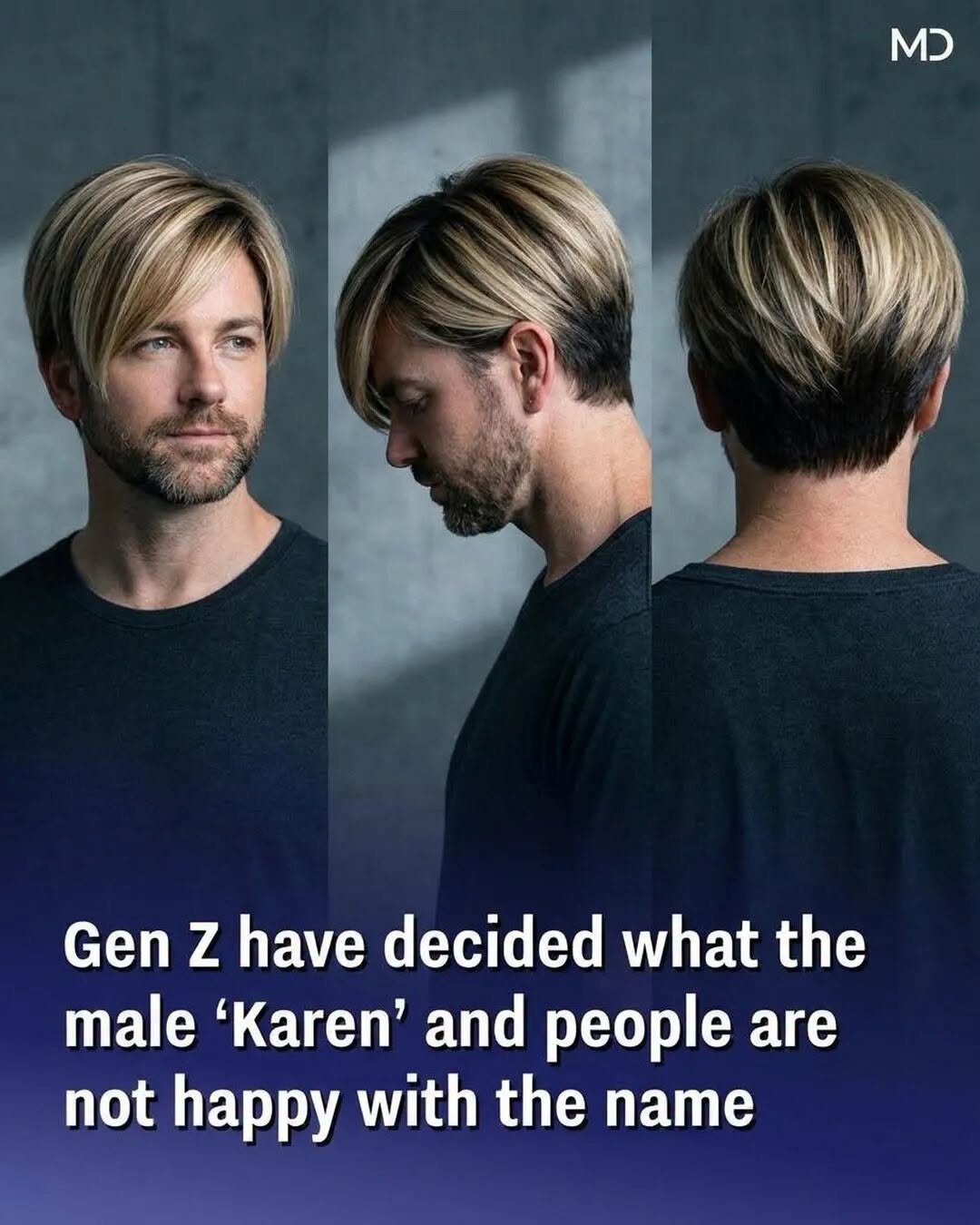
It takes planning: some couples blend their names before the wedding so the certificates show the new name from the start, while others change it after the honeymoon — either way, passports, bank accounts and Social Security records all need updating. One thing to note plainly: the photo sent with this story carries a headline about the “male Karen” — that is a different topic, and this article is only about meshing.
Website Disclaimer
The information provided on this website is for general informational and educational purposes only. While we strive to ensure that all content is accurate and up to date, we make no guarantees regarding the completeness, reliability, or accuracy of any information published.
The views and opinions expressed in articles belong to their respective authors and do not necessarily reflect the views of this website. Any action you take based on the information found on this website is strictly at your own risk. We will not be liable for any losses, damages, or inconveniences arising from the use of our content.
Some articles may contain opinions, third-party information, or external links. We do not endorse or guarantee the accuracy of content on external websites and are not responsible for their practices or policies.
All content on this website is provided in good faith and is intended for informational purposes only. Readers are encouraged to verify information independently and seek professional advice where appropriate.