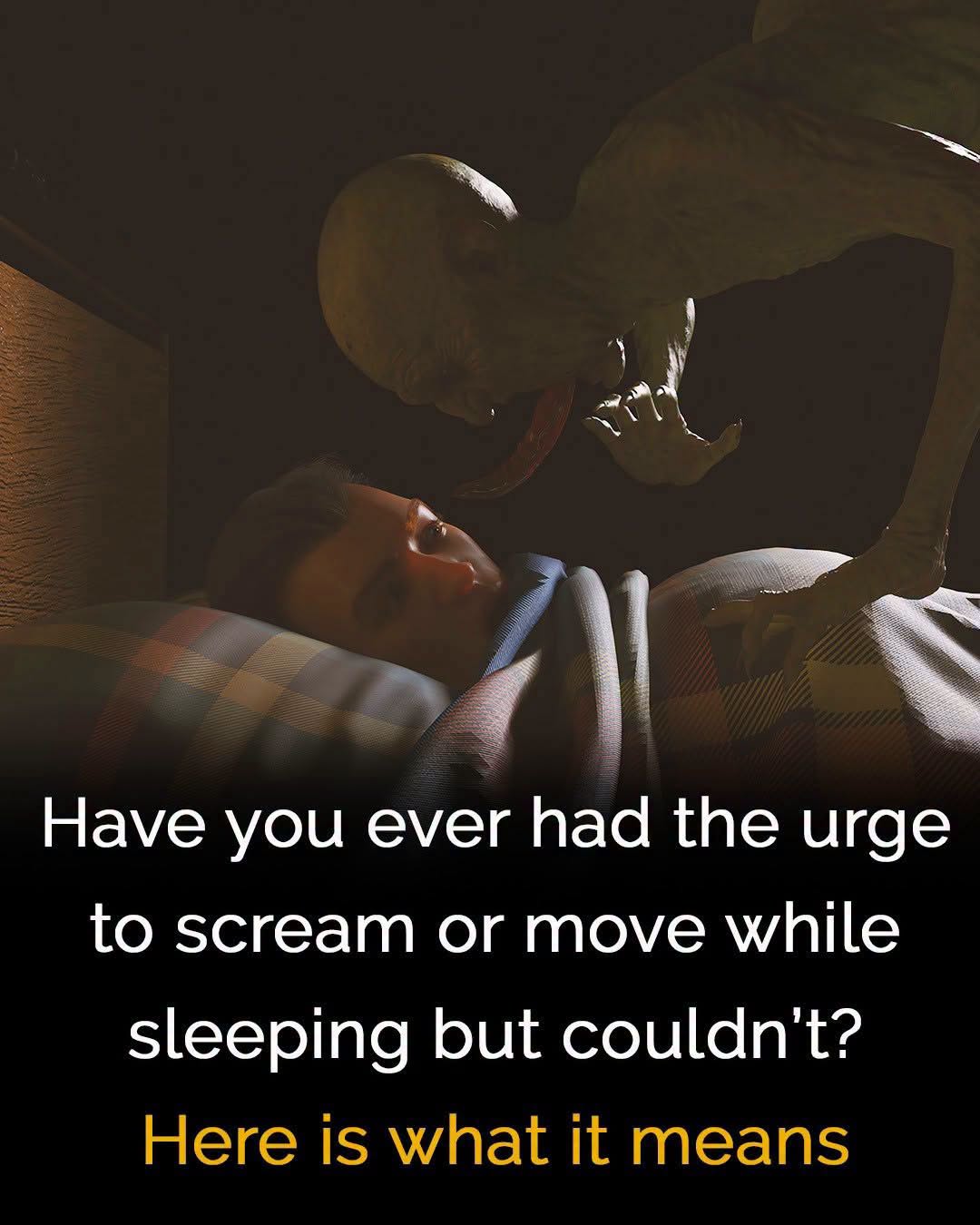
For many, bedtime is a moment of relaxation and restoration. However, sleep can sometimes become frightening when it turns into sleep paralysis — a temporary state in which you are fully awake but unable to move or speak. This unsettling phenomenon has been reported by people worldwide, often accompanied by hallucinations or the feeling of a heavy pressure on the chest.
Sleep paralysis occurs when the brain awakens before the body during REM (Rapid Eye Movement) sleep, the stage associated with vivid dreaming. Normally, REM sleep triggers temporary paralysis to prevent physically acting out dreams. When the brain wakes early, the body remains paralyzed, producing the terrifying sensation of being “stuck” between sleep and wakefulness.
The experience can happen just as you’re falling asleep or waking up and is often accompanied by vivid hallucinations. People may see shadowy figures, hear strange sounds, or feel a pressing weight, leading to myths and cultural stories about supernatural encounters. Despite these dramatic experiences, the condition has a clear biological explanation.
Certain factors can increase the likelihood of sleep paralysis, including sleep deprivation, irregular schedules, stress, anxiety, depression, and other sleep disorders such as insomnia or narcolepsy. Even a single night of poor sleep can trigger an episode, making awareness and prevention strategies important.
While sleep paralysis is not harmful, frequent episodes that disrupt sleep quality should be discussed with a healthcare professional. During an episode, remaining calm, focusing on slow breathing, and attempting to move a small muscle can help break the paralysis. Understanding that it is temporary can also reduce fear.
Preventive measures include maintaining a consistent sleep schedule, creating a calming nighttime routine, limiting caffeine and alcohol before bed, and managing stress through mindfulness or relaxing activities. With knowledge and healthy habits, sleep paralysis can be minimized, allowing nights to remain peaceful and restorative.
Website Disclaimer
The information provided on this website is for general informational and educational purposes only. While we strive to ensure that all content is accurate and up to date, we make no guarantees regarding the completeness, reliability, or accuracy of any information published.
The views and opinions expressed in articles belong to their respective authors and do not necessarily reflect the views of this website. Any action you take based on the information found on this website is strictly at your own risk. We will not be liable for any losses, damages, or inconveniences arising from the use of our content.
Some articles may contain opinions, third-party information, or external links. We do not endorse or guarantee the accuracy of content on external websites and are not responsible for their practices or policies.
All content on this website is provided in good faith and is intended for informational purposes only. Readers are encouraged to verify information independently and seek professional advice where appropriate.