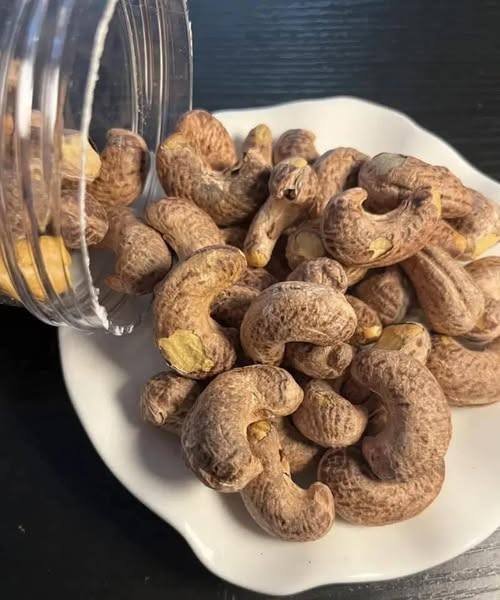
At first glance, they look harmless. Small, curved, slightly sweet, and often tossed into a snack bowl without a second thought. But doctors say cashews are one of those foods that quietly affect your body in ways most people never realize. Some of those effects are surprisingly positive. Others can catch you off guard if you overdo them.
Cashews are packed with healthy fats, magnesium, zinc, and copper, which play a direct role in heart health and nerve function. Doctors often point out that people who eat moderate amounts of cashews tend to have better cholesterol balance, especially higher “good” HDL cholesterol. This can help protect blood vessels and lower long-term cardiovascular risk when cashews replace processed snacks.
What surprises many people is how cashews affect blood sugar and energy levels. Unlike sugary snacks, cashews slow digestion and help stabilize glucose levels. That’s why some nutritionists recommend them for people who feel sudden energy crashes during the day. The combination of fat, protein, and minerals supports steady energy rather than spikes and drops.
Cashews also influence mood and sleep. They contain tryptophan and magnesium, both linked to relaxation and improved sleep quality. Doctors say this is one reason some people notice better sleep or less nighttime restlessness when cashews are eaten earlier in the evening. It’s subtle, but real.
However, there is a catch doctors warn about. Cashews are extremely calorie-dense. A small handful can quietly turn into hundreds of calories, and overeating them can lead to weight gain faster than expected. They also contain oxalates, which in large amounts may contribute to kidney stone formation in people who are already prone to them.
The bottom line doctors agree on is simple: cashews are not dangerous, but they are powerful. Eaten in moderation, they can support heart health, steady energy, and even better sleep. Eaten mindlessly, they can work against your goals without you noticing. The difference is not the nut itself, but how much and how often you eat it.
Website Disclaimer
The information provided on this website is for general informational and educational purposes only. While we strive to ensure that all content is accurate and up to date, we make no guarantees regarding the completeness, reliability, or accuracy of any information published.
The views and opinions expressed in articles belong to their respective authors and do not necessarily reflect the views of this website. Any action you take based on the information found on this website is strictly at your own risk. We will not be liable for any losses, damages, or inconveniences arising from the use of our content.
Some articles may contain opinions, third-party information, or external links. We do not endorse or guarantee the accuracy of content on external websites and are not responsible for their practices or policies.
All content on this website is provided in good faith and is intended for informational purposes only. Readers are encouraged to verify information independently and seek professional advice where appropriate.