Should You Rinse Ground Beef Before or After Cooking? Here’s What You Need to Know
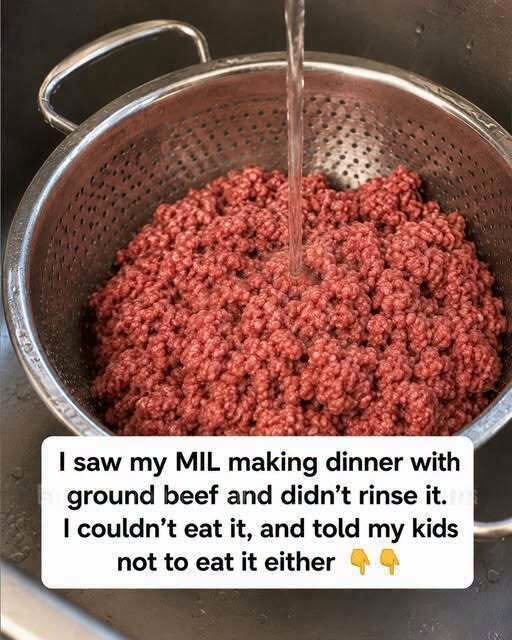
Ground beef is a staple in many kitchens, used in everything from burgers and tacos to pasta sauces, casseroles, and homemade meatballs. However, one question continues to spark debate among home cooks: Should you rinse ground beef to remove excess fat, or is it better to leave it alone?
The answer depends on your cooking goals, but there are a few important things to understand before deciding.
Why Do Some People Rinse Ground Beef?
Some people rinse cooked ground beef to remove excess grease and make their meals less fatty. This practice is usually done after browning the meat, when melted fat has collected in the pan.
Rinsing may remove some surface fat, but it can also wash away flavorful juices and seasonings. It may leave the meat less rich and affect the texture of certain dishes. For recipes that depend on juicy, flavorful beef, such as tacos or meat sauces, removing too much fat can make a noticeable difference.
If your goal is to reduce grease without sacrificing flavor, there is a simpler alternative.
The Better Way to Remove Excess Fat
Instead of rinsing ground beef, try these practical steps:
1. Choose leaner ground beef. If you want less fat from the beginning, select a leaner option, such as 90% lean ground beef. It generally produces less grease than an 80% lean variety.
2. Drain the excess grease. After browning the beef, carefully pour or spoon the excess fat into a heat-safe container. Allow it to cool before disposing of it in the trash.
3. Use a paper towel when appropriate. For certain dishes, you can briefly blot excess grease from the cooked meat with a paper towel. Avoid leaving the meat sitting on it for too long, as this can affect its texture.
4. Keep the flavor. Season the beef after draining, if necessary. You can also add onions, garlic, herbs, spices, or a small amount of broth to keep the dish flavorful and moist.
Why You Should Never Rinse Raw Ground Beef
There is an important distinction between rinsing raw and cooked ground beef.
Rinsing raw ground beef is not recommended. Washing raw meat in the sink does not reliably remove harmful bacteria. Instead, splashing water can spread bacteria onto your sink, countertops, utensils, and nearby food.
The safest approach is to cook ground beef thoroughly without washing it first. For ground beef, the recommended internal temperature is 160°F (71°C), measured with a food thermometer.
What About the Grease and Your Plumbing?
Another reason to avoid rinsing ground beef is the mess it creates. Hot grease can splash onto kitchen surfaces, and fat poured down the drain can cool, solidify, and contribute to clogged pipes.
Instead, allow the grease to cool in a suitable container before placing it in the trash. Never pour cooking grease directly down the sink.
Does Removing Fat Make Ground Beef Healthier?
Removing excess fat can reduce the amount of fat in your finished meal, but the exact difference depends on the type of beef you use, how much fat you drain, and how you prepare it.
If you are watching your calorie intake or saturated fat consumption, choosing leaner beef and draining the rendered fat are practical options. Remember that fat also contributes flavor and tenderness, so the best balance depends on your recipe and dietary needs.
The Final Verdict
So, should you rinse ground beef after cooking?
For most home cooks, draining excess fat is a better choice than rinsing the meat. It helps reduce grease without creating unnecessary splashing, plumbing concerns, or loss of flavor. And when it comes to raw ground beef, skip the rinse entirely and focus on proper cooking and kitchen hygiene.
Ultimately, the goal is to prepare a meal that is flavorful, safe, and suited to your preferences. A few simple adjustments can help you achieve all three without an unnecessary step at the kitchen sink.
What about you? Do you drain your ground beef, leave the grease in the pan, or use another method? Share your kitchen tips in the comments!
Website Disclaimer
The information provided on this website is for general informational and educational purposes only. While we strive to ensure that all content is accurate and up to date, we make no guarantees regarding the completeness, reliability, or accuracy of any information published.
The views and opinions expressed in articles belong to their respective authors and do not necessarily reflect the views of this website. Any action you take based on the information found on this website is strictly at your own risk. We will not be liable for any losses, damages, or inconveniences arising from the use of our content.
Some articles may contain opinions, third-party information, or external links. We do not endorse or guarantee the accuracy of content on external websites and are not responsible for their practices or policies.
All content on this website is provided in good faith and is intended for informational purposes only. Readers are encouraged to verify information independently and seek professional advice where appropriate.