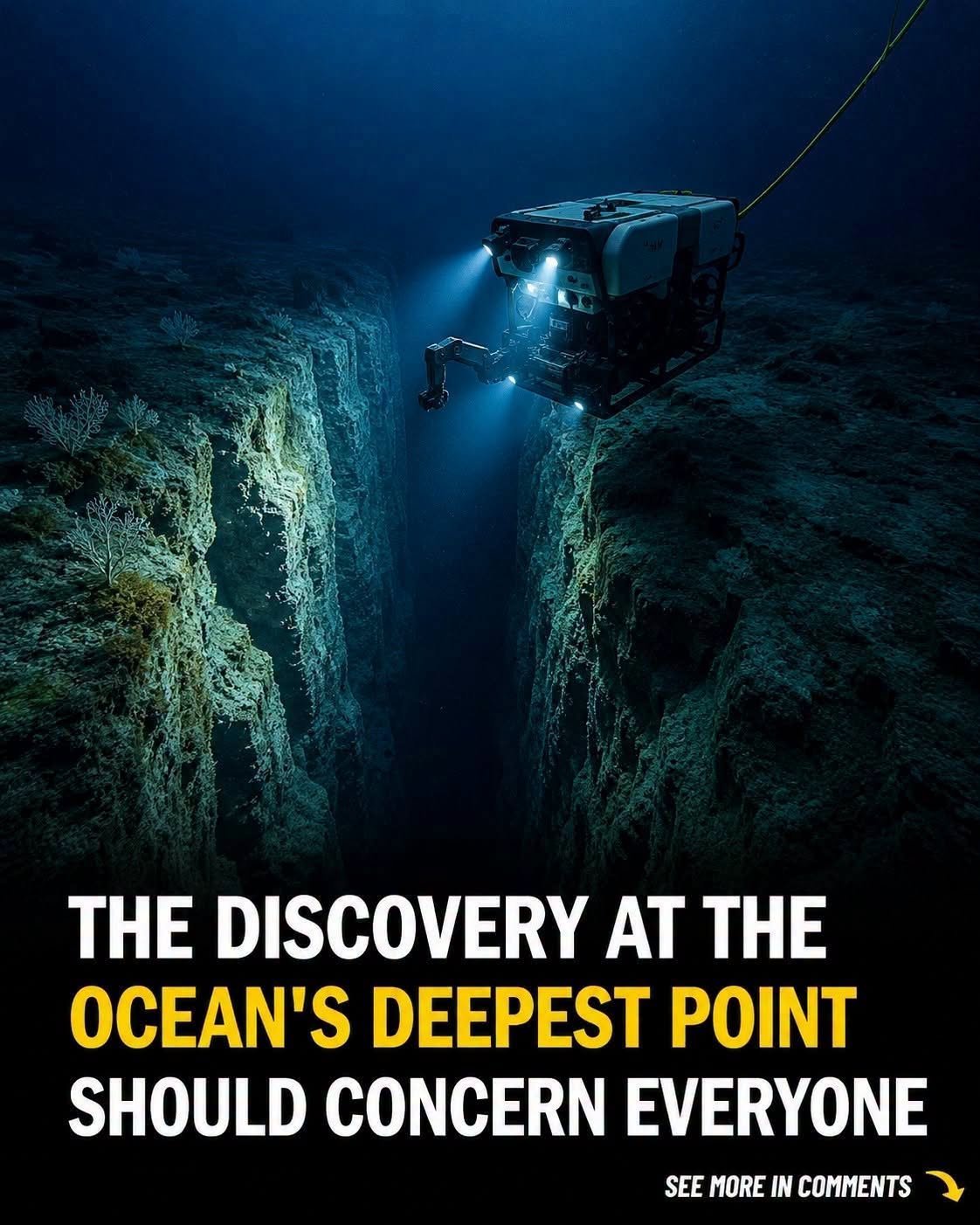
The Mariana Trench, the deepest point in the ocean, was once thought to be untouched by human activity. However, the discovery of a single plastic bag at its bottom shattered that illusion. This unsettling find revealed that even the most remote parts of our planet are not immune to pollution caused by humanity’s dependence on plastic. It serves as a powerful symbol of how far-reaching our waste has become and the urgent need to confront this global crisis.
Though the trench may appear lifeless, it is home to diverse species like coral, jellyfish, and deep-sea octopuses. Sadly, research shows that 17 percent of deep-sea plastic interactions involve marine life—ranging from entanglement to ingestion—putting fragile ecosystems in grave danger.
Plastic pollution has become one of the planet’s most pressing environmental challenges. Single-use plastics, such as bags and packaging, are among the worst offenders. These items are used briefly but persist in the environment for centuries, making their way into oceans through rivers, wind, and runoff.
Data from the Deep-Sea Debris Database revealed that nearly 89 percent of the plastic found in the Mariana Trench is single-use, underscoring the immense scale of disposable plastic waste. Despite its remoteness, the trench has not escaped humanity’s impact.
Roughly 20 percent of oceanic plastic pollution comes directly from ships, while the remaining 80 percent originates from land. Much of it flows through ten major rivers that pass through densely populated regions, carrying millions of tons of plastic each year.
Even more alarming is the role of discarded fishing gear, which forms massive garbage patches like the Great Pacific Garbage Patch.
As plastic breaks down, it releases harmful chemicals and microplastics that settle on the seafloor, contaminating even the deepest ecosystems.
The plastic bag found in the Mariana Trench is more than litter—it’s a warning. It reminds humanity that pollution knows no boundaries and that protecting our oceans demands urgent, united global action.
Website Disclaimer
The information provided on this website is for general informational and educational purposes only. While we strive to ensure that all content is accurate and up to date, we make no guarantees regarding the completeness, reliability, or accuracy of any information published.
The views and opinions expressed in articles belong to their respective authors and do not necessarily reflect the views of this website. Any action you take based on the information found on this website is strictly at your own risk. We will not be liable for any losses, damages, or inconveniences arising from the use of our content.
Some articles may contain opinions, third-party information, or external links. We do not endorse or guarantee the accuracy of content on external websites and are not responsible for their practices or policies.
All content on this website is provided in good faith and is intended for informational purposes only. Readers are encouraged to verify information independently and seek professional advice where appropriate.