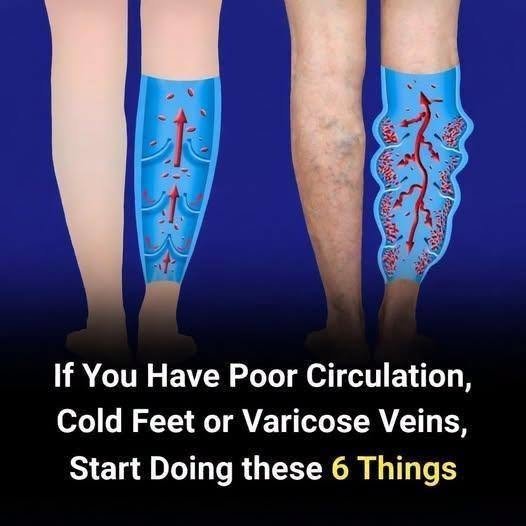
Tired of Poor Circulation and Varicose Veins? Try These 6 Effective Tips
Poor circulation and varicose veins affect millions of people worldwide, especially those who sit or stand for long periods every day. Symptoms such as swollen legs, heaviness, cramps, visible veins, and aching discomfort can make daily life frustrating and exhausting.
The good news is that certain lifestyle changes can help improve blood flow, reduce discomfort, and support overall vein health. Although these measures cannot eliminate existing varicose veins, they may help manage symptoms and prevent them from becoming more troublesome.
Here are six practical tips to help you care for your legs and support healthy circulation.
1. Walk Every Day
Walking is one of the simplest ways to support circulation in your legs. Your calf muscles help push blood back toward your heart, working alongside the valves in your veins.
When you walk, these muscles contract and relax, helping blood move through the veins more efficiently.
Try taking short walks throughout the day rather than remaining seated for hours. Even a few minutes of movement at regular intervals can be beneficial. Choose a pace that feels comfortable and gradually increase your activity as your fitness improves.
2. Avoid Sitting or Standing for Too Long
Remaining in one position for extended periods can contribute to blood pooling in the lower legs, particularly in people with vein problems.
If your job requires prolonged sitting, stand up and move around regularly. If you spend most of your day standing, take opportunities to sit down and elevate your legs when possible.
Simple movements, such as ankle circles, heel raises, and flexing your feet, can also help activate your calf muscles while you work.
The key is to change positions frequently and avoid staying still for too long.
3. Elevate Your Legs
Elevating your legs can help reduce swelling and the heavy, uncomfortable feeling that sometimes accompanies varicose veins.
When resting, place your legs on pillows so they are raised above the level of your heart, if comfortable. Try doing this for approximately 15–20 minutes at a time.
This position allows gravity to assist the return of blood from your lower legs and may temporarily relieve swelling.
However, leg elevation does not remove varicose veins or correct damaged vein valves. If swelling persists or repeatedly returns, consult a healthcare professional to determine the cause.
4. Maintain a Healthy Weight
Excess body weight can increase pressure on the veins in your legs, potentially worsening varicose vein symptoms.
Maintaining a weight that is healthy for you may help reduce this pressure and make movement more comfortable.
Focus on balanced meals containing vegetables, fruits, whole grains, lean proteins, and healthy fats. Combine nutritious eating with regular physical activity that suits your abilities.
Avoid extreme diets or quick-fix weight-loss products. Sustainable habits are generally more helpful for long-term health.
5. Consider Compression Stockings
Compression stockings apply controlled pressure to the legs, helping support blood flow toward the heart. They can be useful for some people experiencing leg swelling, aching, or discomfort associated with chronic venous problems.
However, the appropriate compression level and stocking type depend on your individual needs.
Ask a healthcare professional whether compression stockings are suitable for you, especially if you have diabetes, known peripheral artery disease, reduced sensation in your feet, or other circulation problems. Improper compression may be harmful in certain conditions.
Compression stockings can help manage symptoms, but they do not permanently eliminate existing varicose veins.
6. Eat a Balanced Diet and Stay Hydrated
A nutritious diet supports blood vessel health and overall circulation. Fiber-rich foods, including beans, oats, vegetables, fruits, and whole grains, can help prevent constipation. Avoiding constipation may reduce straining, which can worsen pressure in some veins.
Drinking enough water also helps maintain normal bodily functions, particularly when you are physically active or spending time in hot weather.
There is no single food, drink, or supplement proven to cure varicose veins. Be cautious of products claiming to dissolve, flush out, or permanently remove damaged veins without medical treatment.
When Should You See a Doctor?
Although varicose veins are often not dangerous, persistent symptoms deserve attention. A healthcare professional can assess your circulation and recommend appropriate treatment, which may include compression, ultrasound evaluation, or procedures to close or remove problematic veins.
Seek urgent medical attention if you develop sudden swelling in one leg, especially with pain, warmth, or redness, because these symptoms can indicate a blood clot.
Call emergency services immediately if leg symptoms occur alongside sudden shortness of breath, chest pain, fainting, or coughing up blood, as these may indicate a potentially life-threatening complication.
You should also seek prompt medical advice for bleeding from a varicose vein, skin ulcers, or changes in skin color around your ankles.
The Bottom Line
Healthy habits can make a meaningful difference in how your legs feel throughout the day. Walking regularly, avoiding prolonged inactivity, elevating your legs, maintaining a healthy weight, using appropriate compression, and eating a balanced diet may help ease discomfort associated with varicose veins.
Remember, though, that varicose veins are not simply a sign of poor circulation. They commonly develop when the valves inside veins stop working properly, allowing blood to flow backward and accumulate.
Lifestyle changes can help manage symptoms, but they cannot always correct the underlying problem. If your veins are painful, swollen, or getting worse, professional evaluation is the safest way to find the right treatment for your needs.
Website Disclaimer
The information provided on this website is for general informational and educational purposes only. While we strive to ensure that all content is accurate and up to date, we make no guarantees regarding the completeness, reliability, or accuracy of any information published.
The views and opinions expressed in articles belong to their respective authors and do not necessarily reflect the views of this website. Any action you take based on the information found on this website is strictly at your own risk. We will not be liable for any losses, damages, or inconveniences arising from the use of our content.
Some articles may contain opinions, third-party information, or external links. We do not endorse or guarantee the accuracy of content on external websites and are not responsible for their practices or policies.
All content on this website is provided in good faith and is intended for informational purposes only. Readers are encouraged to verify information independently and seek professional advice where appropriate.