Black Friday is still the biggest shopping day of the year in America, but in 2026 it looks very different from the event shoppers remember. The doors-open-at-dawn rush has given way to something quieter, longer, and much more digital — a multi-week season where the deals started before Halloween, the shopping carts are full of household essentials as well as gifts, and artificial intelligence is quietly guiding millions of purchases.
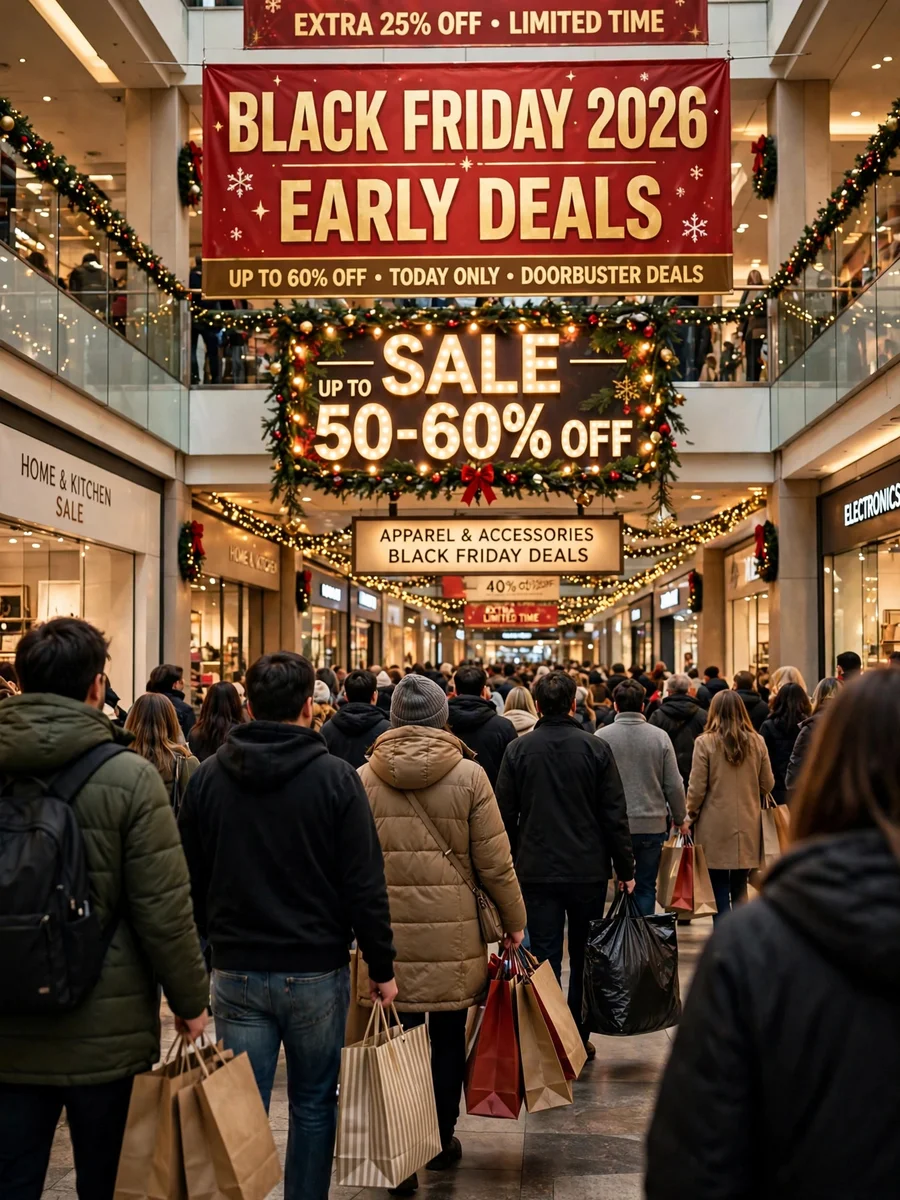
Retailers have been promoting steep discounts under the Black Friday banner all month. Some began rolling out offers before Halloween, and the result is that the day itself now feels less like a starting gun and more like the final stretch of a long race. Even so, Black Friday remains the year’s biggest day for foot traffic in physical stores, according to retail technology company Sensormatic Solutions — plenty of traditional shoppers still head out as soon as they can after Thanksgiving.
Spending is already running ahead
The early start has not hurt spending. Americans spent 82.5 billion dollars online between November 1 and November 22, a rise of 9.1 percent on the same period last year, according to Adobe. Adobe expects online sales for the full holiday season to reach 275.1 billion dollars, up 6.7 percent year on year, with Black Friday itself forecast to bring in around 12.9 billion dollars online.
Cyber Monday, on November 30, is still expected to be the single biggest online shopping day, at more than 15 billion dollars. But Black Friday is growing faster, helped by the deepest discounts of the season on televisions, toys, clothing and appliances.
Essentials are sharing the cart with gifts
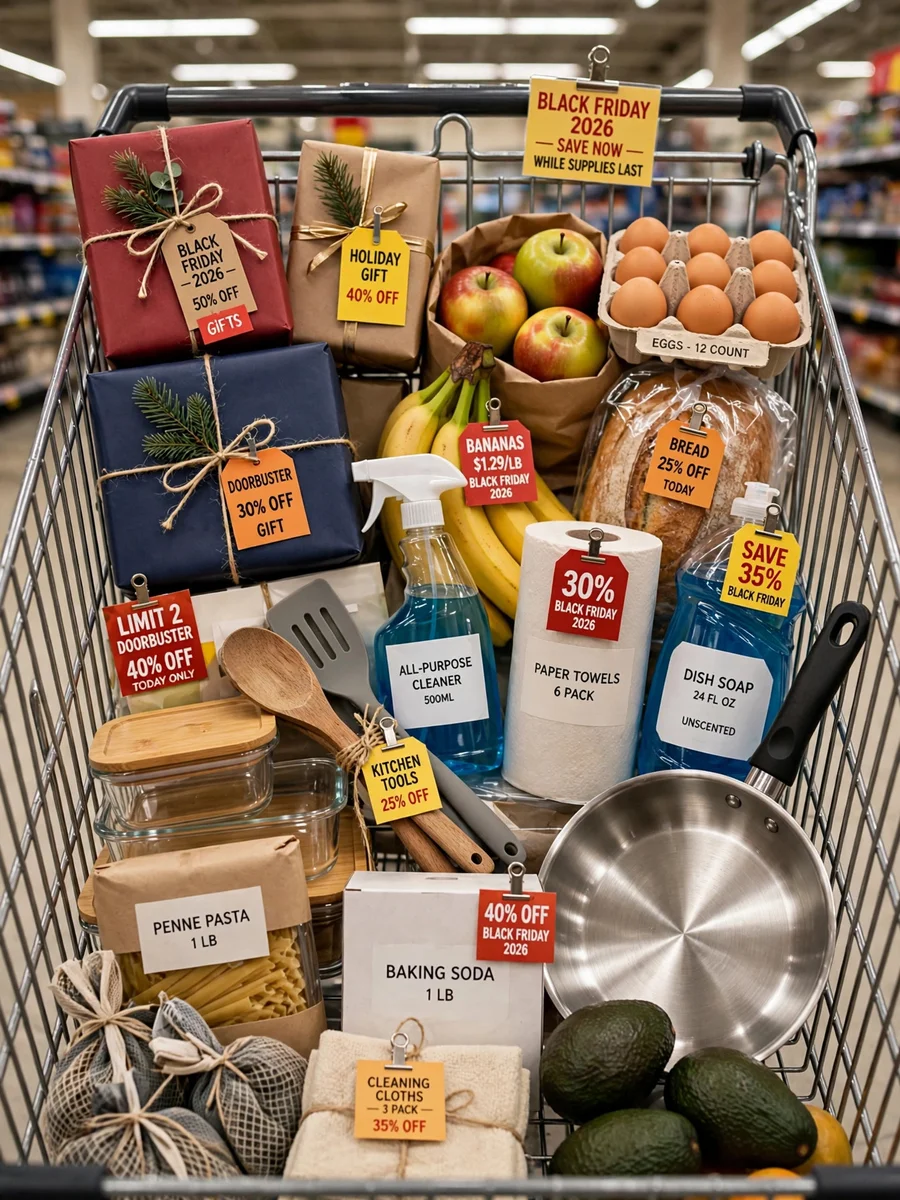
One of the biggest changes this year is what people are buying. Shoppers are not just ticking off gift lists — they are stocking up on discounted household basics too. Shampoo, cleaning products and pet food are landing in carts alongside televisions and toys. “It’s not just a moment where shoppers are buying gifts,” said Caila Schwartz, a retail and consumer insights leader at Salesforce. “They’re also buying things that they need.” Health and beauty products were expected to average 33 percent off around Black Friday.
AI is the new shopping assistant
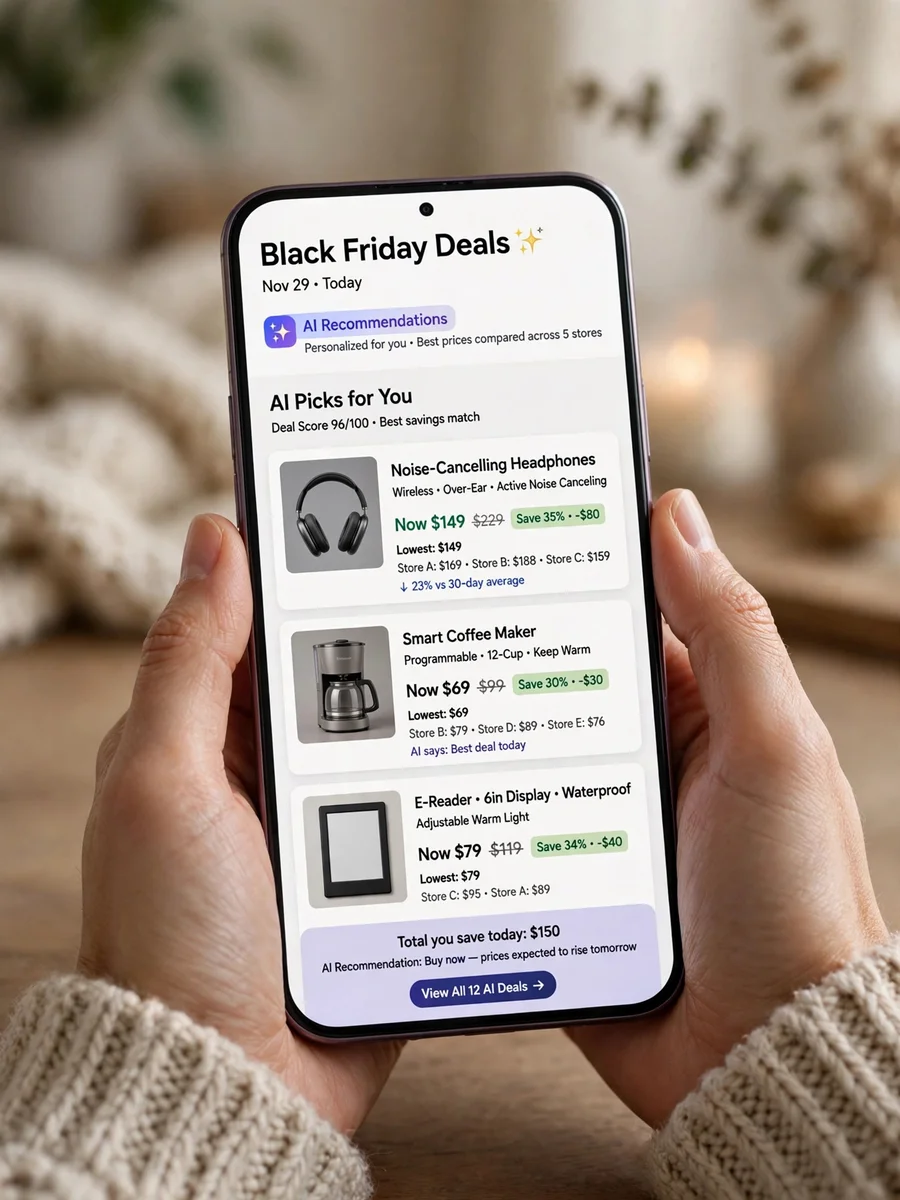
Artificial intelligence is the other big story of this Black Friday. Shoppers are using AI tools to compare prices, build gift lists, check styles and delivery times, and find the best deals without trawling through dozens of websites. Retailers, meanwhile, are using AI to personalise offers and nudge customers towards purchases at just the right moment.
Cost pressures are also shaping behaviour. With household budgets still tight, many shoppers have been waiting for the best prices rather than buying early at full price — and retailers have responded by holding prices broadly steady instead of pushing through large increases.
The best deals may still be on the day itself
Despite the month of early offers, analysts say the biggest discounts are likely to be reserved for Thanksgiving Day and Black Friday itself. Discounts on televisions, for example, are expected to average 23 percent on Friday, compared with 11 percent during the first 22 days of November, according to Adobe. November discounts before Black Friday were already 8 percent bigger than last year’s, Salesforce said.
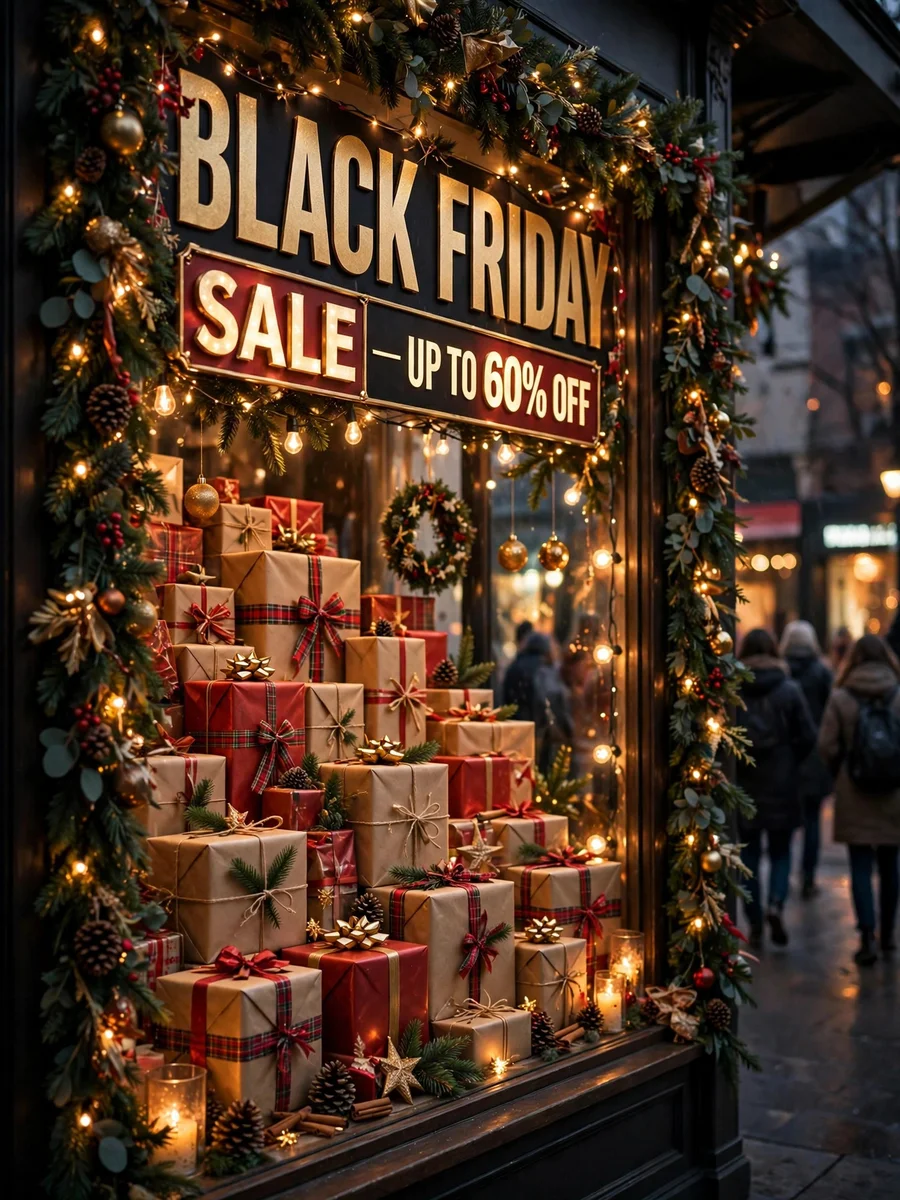
The message for shoppers is simple: Black Friday 2026 rewards those who plan ahead, compare prices with the help of AI, and remember that the essentials in the cart can be just as good a bargain as the gift under the tree.
Website Disclaimer
The information provided on this website is for general informational and educational purposes only. While we strive to ensure that all content is accurate and up to date, we make no guarantees regarding the completeness, reliability, or accuracy of any information published.
The views and opinions expressed in articles belong to their respective authors and do not necessarily reflect the views of this website. Any action you take based on the information found on this website is strictly at your own risk. We will not be liable for any losses, damages, or inconveniences arising from the use of our content.
Some articles may contain opinions, third-party information, or external links. We do not endorse or guarantee the accuracy of content on external websites and are not responsible for their practices or policies.
All content on this website is provided in good faith and is intended for informational purposes only. Readers are encouraged to verify information independently and seek professional advice where appropriate.