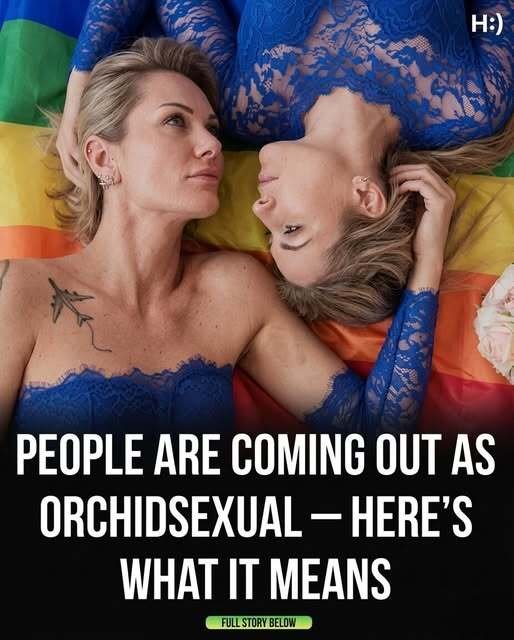
Desire is no longer following the traditional rules many people once assumed were universal. In online forums and private group chats, conversations are emerging around a new term that challenges common ideas about attraction and intimacy. The word “orchidsexuality” has begun appearing in these discussions, describing people who may experience sexual attraction but do not feel the desire to act on it. For some, this idea feels confusing or controversial. For others, it brings long-awaited clarity.
The concept raises a simple but powerful question: what if someone can feel attraction without wanting sex itself? Many cultures tend to treat desire as a straight path—from noticing someone attractive to eventually wanting physical intimacy. Because of this assumption, people who experience attraction but lack interest in sexual activity have often struggled to explain their feelings.
Orchidsexuality attempts to name that experience. It describes individuals who may notice and appreciate sexual attraction yet prefer not to engage in sexual relationships. This doesn’t necessarily mean they identify as asexual. Instead, the label creates space between attraction and behavior, acknowledging that the two do not always move together.
In a society that often links desire directly with action, this distinction can feel surprisingly radical. The idea suggests that attraction does not obligate anyone to pursue sex. A person can recognize desire while still choosing a different path for their personal life, relationships, and emotional fulfillment.
Online spaces have played an important role in spreading the conversation. Symbols like the orchidsexual flag, shared definitions, and discussion threads allow people to compare experiences and discover they are not alone. For individuals who once felt confused or out of place, finding language for their feelings can be deeply reassuring.
Whether orchidsexuality becomes widely recognized or remains a niche term, its influence goes beyond a single label. It demonstrates how new language can reshape understanding. By giving people words for experiences that once felt impossible to describe, communities can turn isolation into connection and uncertainty into a clearer sense of identity.
Website Disclaimer
The information provided on this website is for general informational and educational purposes only. While we strive to ensure that all content is accurate and up to date, we make no guarantees regarding the completeness, reliability, or accuracy of any information published.
The views and opinions expressed in articles belong to their respective authors and do not necessarily reflect the views of this website. Any action you take based on the information found on this website is strictly at your own risk. We will not be liable for any losses, damages, or inconveniences arising from the use of our content.
Some articles may contain opinions, third-party information, or external links. We do not endorse or guarantee the accuracy of content on external websites and are not responsible for their practices or policies.
All content on this website is provided in good faith and is intended for informational purposes only. Readers are encouraged to verify information independently and seek professional advice where appropriate.