S&P Global Ratings has placed Nvidia’s credit rating on watch for a possible downgrade, saying the departure and reinstatement of chief executive Jensen Huang exposed weaknesses in the chipmaker’s management and board oversight.
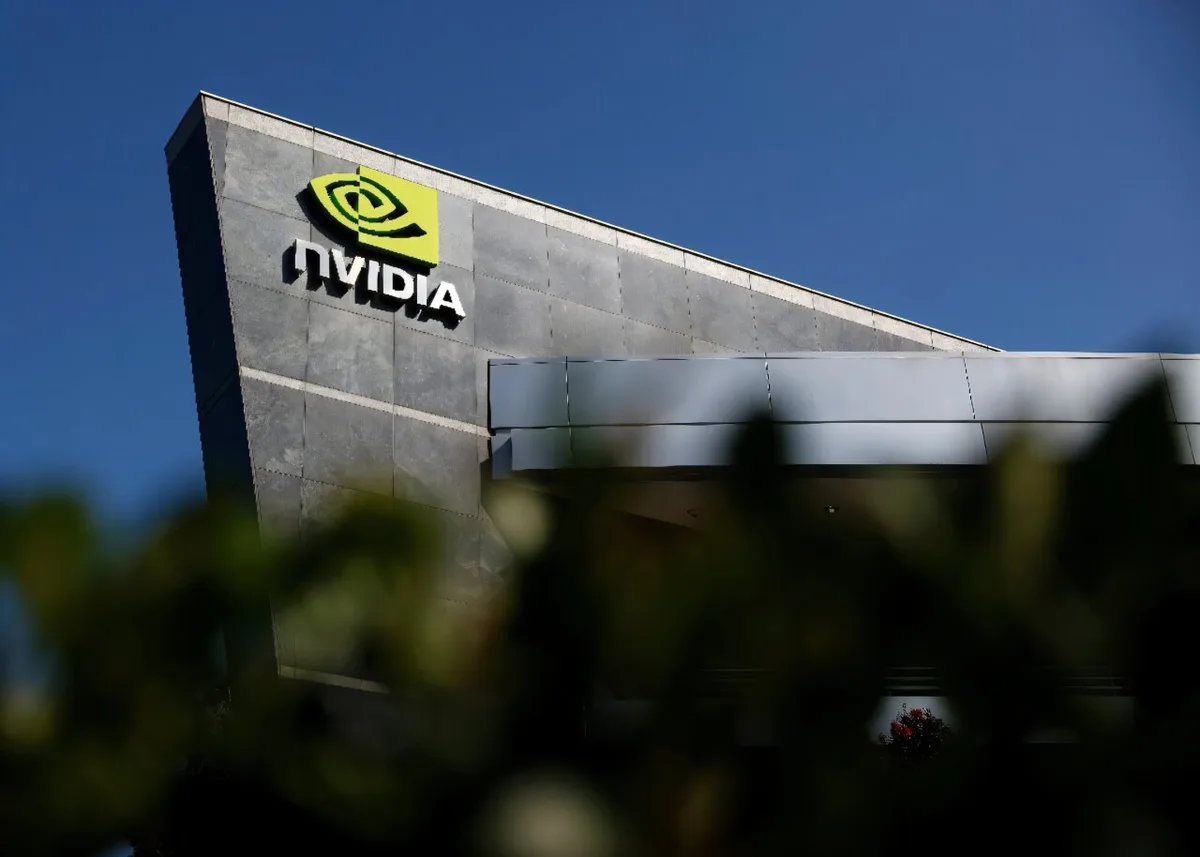
The agency announced on Wednesday 25 November that it had placed both Nvidia’s AA issuer credit rating and the AA rating on its senior unsecured debt on CreditWatch with negative implications. Nvidia shares fell 3.91 percent on the day, extending a slide that has rattled one of the world’s most valuable companies.
A Remarkable Two Weeks
The move follows a turbulent fortnight for Nvidia’s leadership. Huang, who co-founded the company and has led it for more than three decades, resigned in mid-November after admitting to extramarital affairs, including with his direct reports and with a Chinese businesswoman alleged by US intelligence to be a spy for Beijing. Less than two weeks later, on Monday 23 November, the board unanimously reinstated him, saying it had consulted senior government officials and concluded he posed no national security risk.
The reversal was extraordinary. On the company’s third-quarter earnings call, board chair Harvey C. Jones had said the board did not plan to bring Huang back. The pressure to reverse course reportedly included intervention from President Donald Trump, and the board’s about-turn has left investors and regulators asking how such a dramatic sequence of decisions could happen at a company of Nvidia’s size and importance.
What Worried S&P
In its statement, S&P said recent events had undermined its view of Nvidia’s management and governance framework. The agency pointed to several specific concerns. It said the long tenure of certain board members may have compromised their independence, and that the company’s governance practices may not have kept pace with its rapid growth. S&P analyst Andrew Chang wrote that the agency was unaware of any remedial action enacted by the board.
Another worry is what the industry calls key man risk: the company’s heavy dependence on Huang for its future success. S&P said weak executive oversight and the lack of a succession plan raised serious questions about what happens if the chief executive is suddenly unavailable. The agency also flagged issues tied to Nvidia’s business in China, saying they raised questions about geopolitical risk management and internal controls, and warned that export rule violations or misleading disclosures about exposure to China could harm its credit quality.
A Limited Cut, But a Loud Message
S&P said it expects to complete its review within 90 days and that any downgrade would most likely be limited to one notch, to AA-, unless investigations and other disclosures harm the company’s reputation or future business prospects. An AA rating still indicates a very strong capacity to meet financial commitments, with AAA the highest grade, and Nvidia’s financial profile, competitive position and technological lead remain unchanged in S&P’s view.
But the message is loud. A credit rating agency does not normally question the governance of a company whose finances are this strong. S&P said it would meet with Nvidia’s board and management to discuss how they plan to address the issues, and that Huang’s quick exit and abrupt reinstatement did not settle its concerns about executive conduct.
Moody’s Takes a Different View
Moody’s, the other major rating agency, struck a different note on Wednesday. It said bringing Huang back eases near-term uncertainty around Nvidia’s business execution and eliminates the risk associated with appointing a new leader. Moody’s said Nvidia’s Aa1 rating and stable outlook remain unaffected, though it added that governance and regulatory uncertainty persists. Last week Moody’s had cut Nvidia’s outlook from positive to stable over governance concerns after Huang’s initial ouster.
The Spy Question and the Senate Hearing
Separately, the Wall Street Journal reported on Wednesday that US officials found no evidence that tech executive Alice Huang was directed by Beijing to spy on Jensen Huang, citing people familiar with a classified briefing. Current evidence suggests the two may have had a romantic relationship but that it was not a coordinated operation by China, though officials cautioned that new information could change that assessment.
The questions are far from over. Lawmakers in both parties have said they still want answers, and the Senate Banking Committee is scheduled to question Huang at a public hearing on 3 December. For a company that sits at the heart of the global artificial intelligence boom, the coming weeks will test whether its board can convince investors, regulators and rating agencies that the governance failures of the past fortnight will not be repeated.
Website Disclaimer
The information provided on this website is for general informational and educational purposes only. While we strive to ensure that all content is accurate and up to date, we make no guarantees regarding the completeness, reliability, or accuracy of any information published.
The views and opinions expressed in articles belong to their respective authors and do not necessarily reflect the views of this website. Any action you take based on the information found on this website is strictly at your own risk. We will not be liable for any losses, damages, or inconveniences arising from the use of our content.
Some articles may contain opinions, third-party information, or external links. We do not endorse or guarantee the accuracy of content on external websites and are not responsible for their practices or policies.
All content on this website is provided in good faith and is intended for informational purposes only. Readers are encouraged to verify information independently and seek professional advice where appropriate.