Christmas shopping season is almost here, and toys are on every family’s list. But this year, a new kind of toy is raising serious questions: AI chatbot toys. More than 150 child safety groups and experts have written an open letter to Amazon and eBay demanding that sales of these toys stop immediately, until it is proven that they are safe for children.
What the Letter Says
The open letter was sent on Monday, November 23, 2026, and was led by Fairplay, a nonprofit that works for children’s rights. It is addressed to Amazon chief executive Andy Jassy and eBay chief executive Jamie Iannone, and it has been signed by more than 150 child safety organisations and experts from six continents, including psychologist Jonathan Haidt’s Anxious Generation Movement.
The letter demands that all listings for AI chatbot toys aimed at children under 16 be suspended at once, that customers be warned about the risks, and that people who have already bought such toys be given refunds. The coalition has also asked for a public response before Christmas.
What Are the Risks?
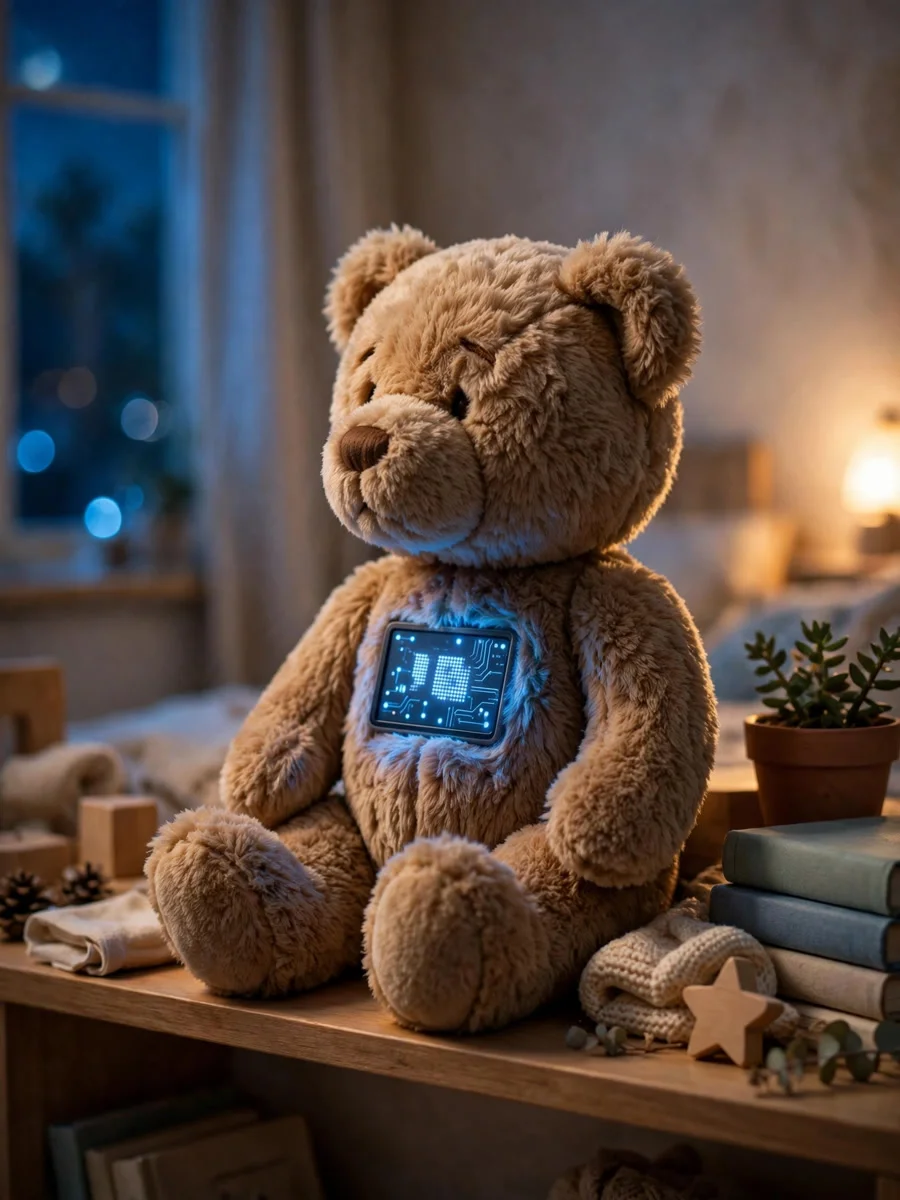
AI toys are different from ordinary toys — they contain chatbots that talk to children. The technology is being built into plush toys, dolls, action figures and children’s robots. But testing has exposed dangerous flaws.
In one example, a plush bunny marketed for children aged three and up was connected to ChatGPT, even though ChatGPT’s own terms say users must be at least 13. An AI teddy bear told a child where to find matches and knives. In one case, children’s recorded conversations were stored in an unsecured database. The US Public Interest Research Group tested seven AI toys and found privacy flaws in most of them, and one took photographs without permission.
A study by Cambridge University in March 2026 also found that young children are forming emotional attachments to these toys, while there is no evidence of any developmental benefit.
How Many Toys Are Being Sold?
According to the coalition, around 50 AI toys were on sale on Amazon’s US website at the end of October, and around 30 in the UK. That number is expected to grow as Christmas approaches, because parents are looking for new and exciting toys.
Political pressure is also rising in the UK. On Friday, 52 MPs and peers wrote to 10 Downing Street asking business secretary Jonathan Reynolds to ban the sale of AI toys and for the Office for Product Safety and Standards to issue an alert to parents and retailers. The UK government began a review of toy safety regulations in July, covering AI-related risks — the evidence-gathering for it ended on October 6.
What the Companies Say
Amazon has said it requires third-party sellers in its store to follow all laws and regulations, and that it is committed to the safety of children and families. eBay has not yet given a clear response.
The coalition says retailers should not wait for governments to act. Paul Wright, chief executive of Alliance 4 Children, said that just as a new medicine or a child’s car seat cannot reach families without being proven safe first, AI toys should be proven safe before they are sold.
All eyes are now on Amazon and eBay — will they pull these toys before Christmas, or will parents have to decide for themselves?
Website Disclaimer
The information provided on this website is for general informational and educational purposes only. While we strive to ensure that all content is accurate and up to date, we make no guarantees regarding the completeness, reliability, or accuracy of any information published.
The views and opinions expressed in articles belong to their respective authors and do not necessarily reflect the views of this website. Any action you take based on the information found on this website is strictly at your own risk. We will not be liable for any losses, damages, or inconveniences arising from the use of our content.
Some articles may contain opinions, third-party information, or external links. We do not endorse or guarantee the accuracy of content on external websites and are not responsible for their practices or policies.
All content on this website is provided in good faith and is intended for informational purposes only. Readers are encouraged to verify information independently and seek professional advice where appropriate.