As the northern hemisphere tilts away from the sun and the long, dark nights of winter begin to settle in, a familiar ritual takes place in households across the country. Thermostats are cranked up, heavy blankets are pulled from the depths of linen closets, and families gather to combat the creeping chill. In millions of homes, particularly those with drafty windows or uneven central heating, the supplemental space heater becomes the MVP of the season.
But while these compact devices offer welcome warmth on freezing mornings and bitterly cold nights, they can also pose serious safety risks when used incorrectly. Fire officials regularly warn that portable heaters must be handled with care, especially during the winter months when people rely on them for hours at a time.
The Hidden Dangers of Space Heaters
One of the biggest dangers is placing a space heater too close to flammable materials. Curtains, bedding, clothing, upholstered furniture, and rugs can ignite if they come into contact with a hot heating element or remain too close to the device.
Safety experts generally recommend keeping at least three feet of clearance around a portable heater. This simple precaution helps reduce the risk of accidental fires, particularly in bedrooms and living rooms where blankets and furniture may be nearby.
Another common mistake is leaving a heater running while everyone is asleep or when the house is empty. Even a heater equipped with automatic shutoff features can malfunction or be used in unsafe conditions. Turning it off whenever you leave the room or go to bed is the safer choice.
Why the Electrical Outlet Matters
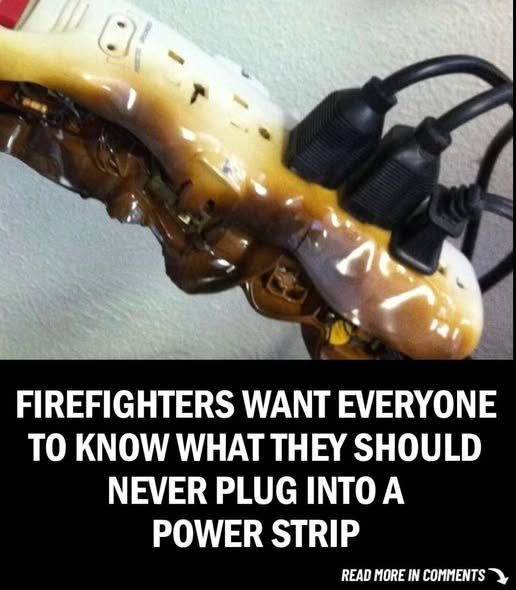
Space heaters consume significant amounts of electricity, which makes the way they are connected especially important. Plugging one directly into a wall outlet helps reduce the risk of overheating associated with overloaded extension cords and power strips.
Avoid running a heater from an extension cord unless the manufacturer explicitly permits it and the cord is appropriately rated. Never use a damaged plug, frayed cable, or outlet that becomes unusually hot.
Before using a heater, inspect its power cord and housing for visible damage. If you notice a burning smell, sparks, unusual noises, or excessive heat around the plug, switch the device off and disconnect it if you can do so safely.
The Importance of Choosing the Right Heater
Not all portable heaters are designed for the same environment. Some models include tip-over protection, which automatically shuts off the unit if it falls. Others feature overheat protection that switches the device off when internal temperatures become excessive.
These features can provide additional protection, but they do not eliminate the need for careful placement and supervision. Choose a heater that has been tested and certified by a recognized safety organization, and follow the manufacturer’s instructions.
If you use a fuel-burning heater, such as a propane or kerosene model, additional precautions are essential. Such devices can produce carbon monoxide, an odorless and potentially deadly gas. Only use fuel-burning heaters specifically designed and approved for indoor use, with the ventilation required by the manufacturer. Install working carbon monoxide alarms wherever fuel-burning appliances are present.
Never use an outdoor grill, camping stove, or outdoor patio heater inside your home.
Simple Habits That Make Winter Safer
Staying warm does not have to mean taking unnecessary risks. A few everyday habits can make a significant difference:
-
Keep portable heaters at least three feet away from anything that can burn.
-
Place heaters on a stable, level surface where they cannot easily tip over.
-
Keep them away from water and damp areas.
-
Plug electric heaters directly into a suitable wall outlet.
-
Turn them off when leaving the room or going to sleep.
-
Keep children and pets at a safe distance.
-
Check smoke alarms regularly and install carbon monoxide alarms where appropriate.
It is also worth remembering that space heaters are intended to provide supplemental warmth, not to replace a properly functioning home heating system.
Warmth Should Never Come at the Cost of Safety
Winter naturally encourages us to seek comfort. A warm bedroom, a cozy blanket, and a little extra heat can make cold evenings far more pleasant. But the safest approach is to treat every portable heater as a powerful electrical appliance that deserves attention and respect.
Before switching yours on this winter, take a moment to inspect the device, clear the surrounding area, and review the manufacturer’s safety instructions.
That small investment of time could help protect your home and the people you love throughout the coldest months of the year.
Website Disclaimer
The information provided on this website is for general informational and educational purposes only. While we strive to ensure that all content is accurate and up to date, we make no guarantees regarding the completeness, reliability, or accuracy of any information published.
The views and opinions expressed in articles belong to their respective authors and do not necessarily reflect the views of this website. Any action you take based on the information found on this website is strictly at your own risk. We will not be liable for any losses, damages, or inconveniences arising from the use of our content.
Some articles may contain opinions, third-party information, or external links. We do not endorse or guarantee the accuracy of content on external websites and are not responsible for their practices or policies.
All content on this website is provided in good faith and is intended for informational purposes only. Readers are encouraged to verify information independently and seek professional advice where appropriate.