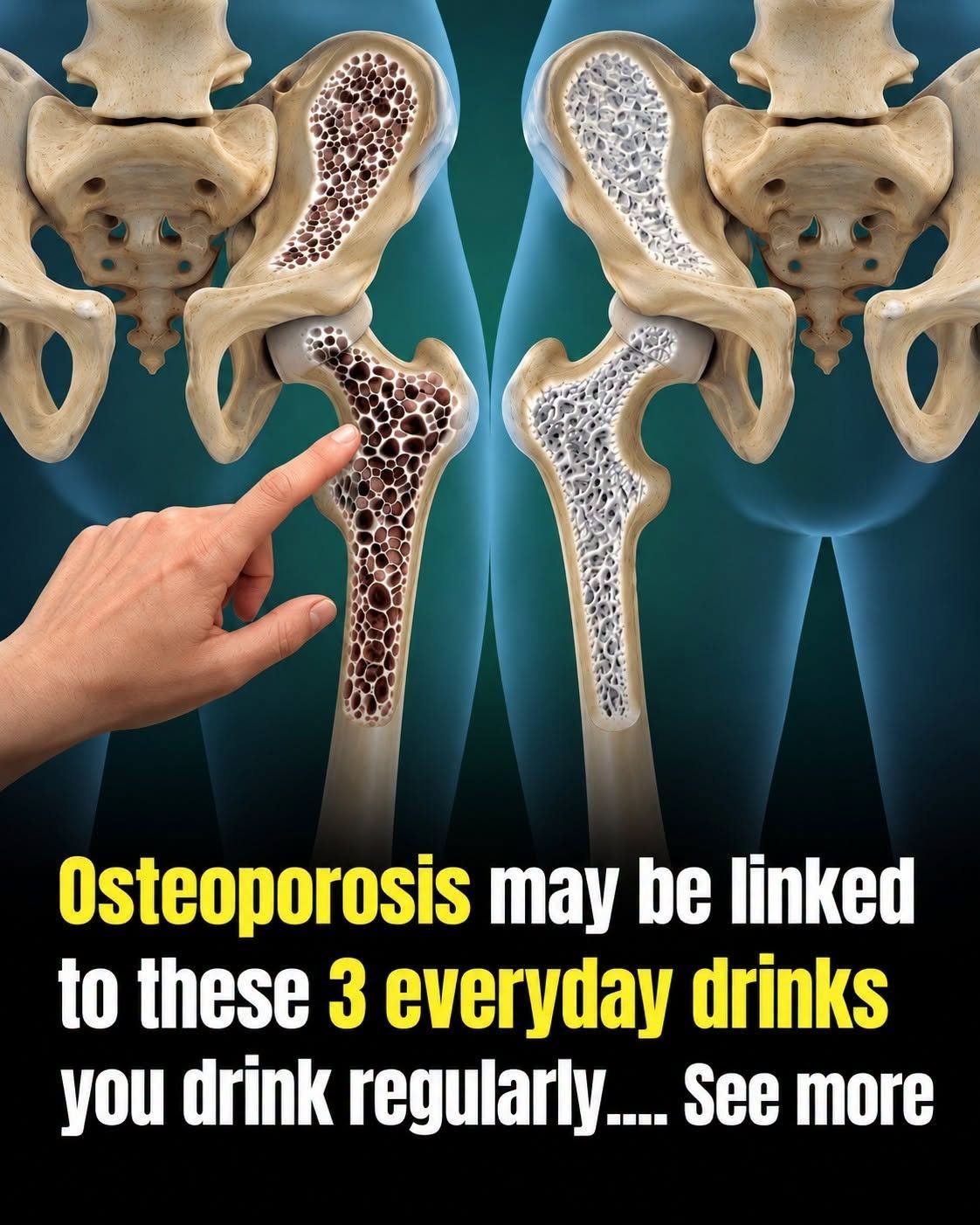
Osteoporosis is a condition that weakens bones over time, often without noticeable symptoms until a fracture occurs. Although aging plays a major role, everyday habits, including what we drink, can influence long-term bone health. Certain beverages may contribute to problems when consumed excessively, especially if they replace nutrient-rich alternatives.
Bones are living tissue that constantly breaks down and rebuilds. Maintaining strong bones requires adequate calcium, vitamin D, protein, physical activity, and other essential nutrients. As people age, bone loss can gradually exceed bone formation, increasing the risk of osteoporosis and fractures.
Sugary soft drinks are one beverage worth reconsidering. People who regularly drink large amounts of soda may consume less milk or calcium-fortified alternatives, reducing their daily calcium intake. Over time, inadequate calcium can affect the body’s ability to maintain strong bones.
Some researchers have also examined whether ingredients in cola beverages influence calcium metabolism. Although findings vary, certain studies have suggested a possible association between frequent cola consumption and lower bone density, particularly among women. However, this does not mean that drinking soda directly causes osteoporosis.
Another concern is the high sugar content of many soft drinks. Excessive sugar intake can contribute to weight gain and metabolic problems. While these conditions do not automatically lead to osteoporosis, a diet dominated by sugary drinks may leave less room for nutritious foods that support healthy bones.
The second important consideration is whether beverages replace healthier options. Drinking soda instead of milk or fortified plant-based drinks can make it harder to obtain enough calcium. A balanced diet containing fruits, vegetables, protein, and calcium-rich foods helps support the body’s natural bone-rebuilding process.
Coffee and alcohol are also sometimes discussed in relation to bone health, particularly when consumed excessively. Their effects depend on overall intake, nutrition, lifestyle, and individual risk factors. Rather than assuming every cup is harmful, moderation and a balanced diet are more sensible approaches.
Protecting your bones begins with consistent everyday choices. Replace some sugary drinks with water, sparkling water without added sugar, or unsweetened herbal tea. Include calcium-rich foods, maintain adequate vitamin D levels, and stay physically active. Because osteoporosis can develop silently, people with risk factors should discuss bone-health screening with a healthcare professional.
Website Disclaimer
The information provided on this website is for general informational and educational purposes only. While we strive to ensure that all content is accurate and up to date, we make no guarantees regarding the completeness, reliability, or accuracy of any information published.
The views and opinions expressed in articles belong to their respective authors and do not necessarily reflect the views of this website. Any action you take based on the information found on this website is strictly at your own risk. We will not be liable for any losses, damages, or inconveniences arising from the use of our content.
Some articles may contain opinions, third-party information, or external links. We do not endorse or guarantee the accuracy of content on external websites and are not responsible for their practices or policies.
All content on this website is provided in good faith and is intended for informational purposes only. Readers are encouraged to verify information independently and seek professional advice where appropriate.