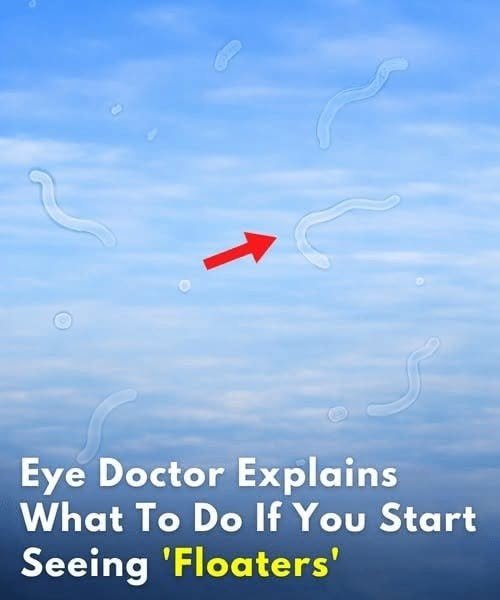
Eye floaters are small spots, threads, or cobweb-like shapes that drift across your field of vision. They are especially noticeable when looking at a bright background, such as a clear sky or a white wall. In many cases, floaters are a normal part of aging and occur when the gel-like substance inside the eye, called the vitreous, begins to shrink and change over time.
If you suddenly notice new floaters, it is important not to panic, but you should pay close attention to any other symptoms. A small number of floaters that develop gradually are often harmless. However, a sudden increase in floaters, especially when accompanied by flashes of light or a shadow in your vision, could indicate a more serious problem such as a retinal tear or retinal detachment.
The best course of action is to schedule an eye examination with an eye care professional. During the exam, the doctor can inspect the retina and other structures inside the eye to determine the cause of the floaters. Early detection is critical because certain retinal conditions can lead to permanent vision loss if left untreated.
Most floaters become less noticeable over time and do not require treatment. Learning to move your eyes up and down can sometimes help shift them out of your direct line of sight temporarily. Nevertheless, any sudden changes in vision should always be taken seriously. Prompt medical evaluation can help protect your eyesight and ensure that any underlying condition is addressed as quickly as possible.
Website Disclaimer
The information provided on this website is for general informational and educational purposes only. While we strive to ensure that all content is accurate and up to date, we make no guarantees regarding the completeness, reliability, or accuracy of any information published.
The views and opinions expressed in articles belong to their respective authors and do not necessarily reflect the views of this website. Any action you take based on the information found on this website is strictly at your own risk. We will not be liable for any losses, damages, or inconveniences arising from the use of our content.
Some articles may contain opinions, third-party information, or external links. We do not endorse or guarantee the accuracy of content on external websites and are not responsible for their practices or policies.
All content on this website is provided in good faith and is intended for informational purposes only. Readers are encouraged to verify information independently and seek professional advice where appropriate.