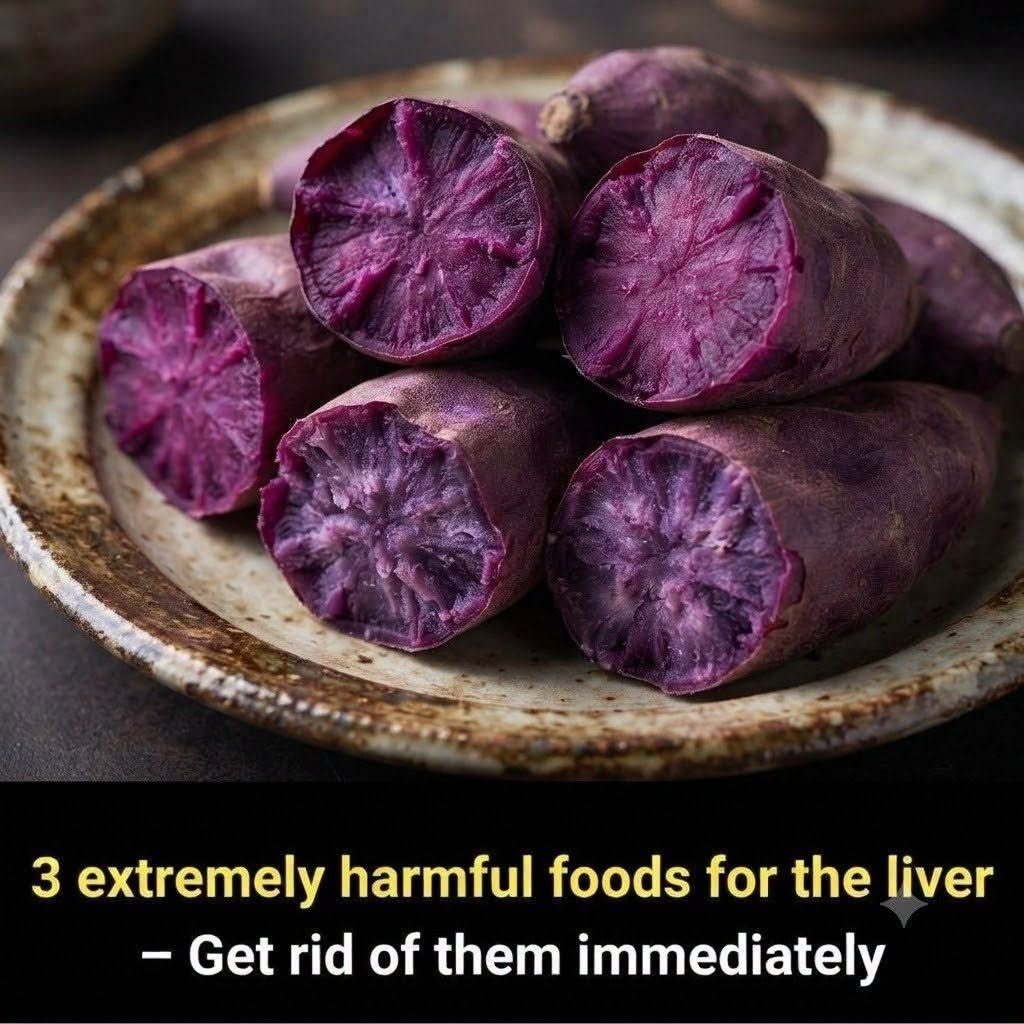
Your liver works quietly every day, helping process nutrients, filter substances from your blood, and support many essential functions. While no single food automatically “damages” the liver, regularly consuming certain foods in excessive amounts may contribute to problems over time.
1. Processed and fatty meats. Bacon, sausages, salami, and other processed meats can be high in saturated fat and sodium. Eating them frequently and in large amounts may contribute to metabolic problems that are linked with fatty liver disease.
2. Foods and drinks high in added sugar. Soft drinks, sweetened juices, candy, pastries, and other sugary products can provide large amounts of added sugar without many nutrients. Excessive sugar intake may promote weight gain and increase the risk of fat accumulating in the liver.
3. Highly processed fried foods. French fries, fried snacks, and similar foods can be high in calories and unhealthy fats. When eaten regularly in large portions, they may contribute to weight gain and metabolic changes that can place additional strain on liver health.
The important point is that these foods do not need to disappear from your diet completely. For most people, the bigger concern is how often they are eaten and how much is consumed. A balanced diet can include occasional treats without making them a daily habit.
Instead, try building meals around vegetables, fruits, whole grains, beans, nuts, fish, and other minimally processed foods. These choices provide fiber and nutrients that support overall metabolic health.
Water is also a simple choice when replacing sugary drinks. Unsweetened beverages can help reduce added-sugar intake without requiring major changes to your meals.
Your overall eating pattern matters much more than one individual food. Moderation, regular physical activity, maintaining a healthy weight, and limiting excessive alcohol intake can all support liver health.
If you are concerned about your liver or have been told that you have abnormal liver tests, talk with a healthcare professional. They can help identify the underlying cause and recommend changes appropriate for you.
Website Disclaimer
The information provided on this website is for general informational and educational purposes only. While we strive to ensure that all content is accurate and up to date, we make no guarantees regarding the completeness, reliability, or accuracy of any information published.
The views and opinions expressed in articles belong to their respective authors and do not necessarily reflect the views of this website. Any action you take based on the information found on this website is strictly at your own risk. We will not be liable for any losses, damages, or inconveniences arising from the use of our content.
Some articles may contain opinions, third-party information, or external links. We do not endorse or guarantee the accuracy of content on external websites and are not responsible for their practices or policies.
All content on this website is provided in good faith and is intended for informational purposes only. Readers are encouraged to verify information independently and seek professional advice where appropriate.