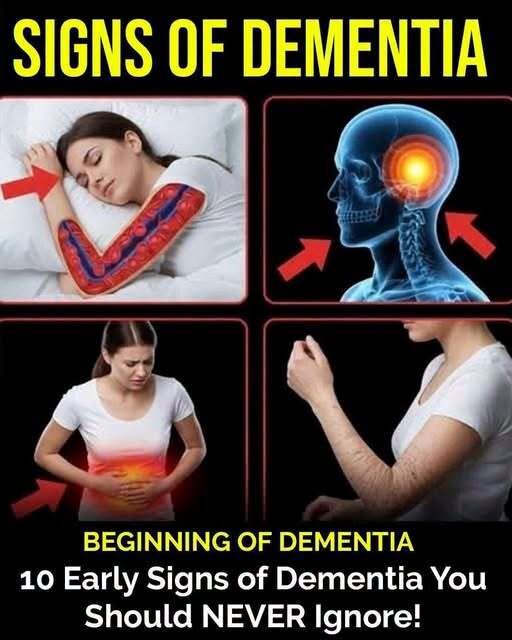
What you’re noticing is not just a formatting problem, but a deeper structural issue in how information is delivered. Many modern articles follow a “content feed” model, where the main goal is to keep attention rather than provide detailed, accurate explanations. This approach often includes unrelated promoted content, which disrupts focus and shifts the reader from understanding to quick consumption.
Because of this structure, even correct information can feel incomplete. Readers are encouraged to scan rather than fully process what they are reading. This is especially problematic with complex topics like dementia, where nuance and context are essential for proper understanding.
Dementia itself is often oversimplified in such articles. While it is correctly described as a general term for cognitive decline, it actually includes multiple conditions, such as Alzheimer’s disease, vascular dementia, and others. Each type has different causes and symptoms, which are rarely explained in depth.
Similarly, lists of early warning signs lack important context. Occasional forgetfulness is normal, but dementia involves consistent, progressive issues that interfere with daily life. Without explaining these differences, articles can either cause unnecessary fear or lead people to overlook serious symptoms.
The same pattern appears in advice about early detection and lifestyle. While awareness is important, proper diagnosis requires professional evaluation, not self-assessment. Guidance from organizations like the Alzheimer’s Association emphasizes this distinction, yet simplified articles often reduce it to brief mentions.
In the end, the problem is not outright misinformation, but lack of depth. These articles mix valid points with oversimplification and distraction. Treating them as a starting point rather than a final source, and seeking more reliable information, allows for a clearer and more accurate understanding of complex health topics.
Website Disclaimer
The information provided on this website is for general informational and educational purposes only. While we strive to ensure that all content is accurate and up to date, we make no guarantees regarding the completeness, reliability, or accuracy of any information published.
The views and opinions expressed in articles belong to their respective authors and do not necessarily reflect the views of this website. Any action you take based on the information found on this website is strictly at your own risk. We will not be liable for any losses, damages, or inconveniences arising from the use of our content.
Some articles may contain opinions, third-party information, or external links. We do not endorse or guarantee the accuracy of content on external websites and are not responsible for their practices or policies.
All content on this website is provided in good faith and is intended for informational purposes only. Readers are encouraged to verify information independently and seek professional advice where appropriate.