Human health is full of subtle signals that often go unnoticed in the beginning. Many serious medical conditions do not appear suddenly—instead, they develop slowly over time, with changes so gradual that people may dismiss them as normal aging, stress, or minor cosmetic shifts.
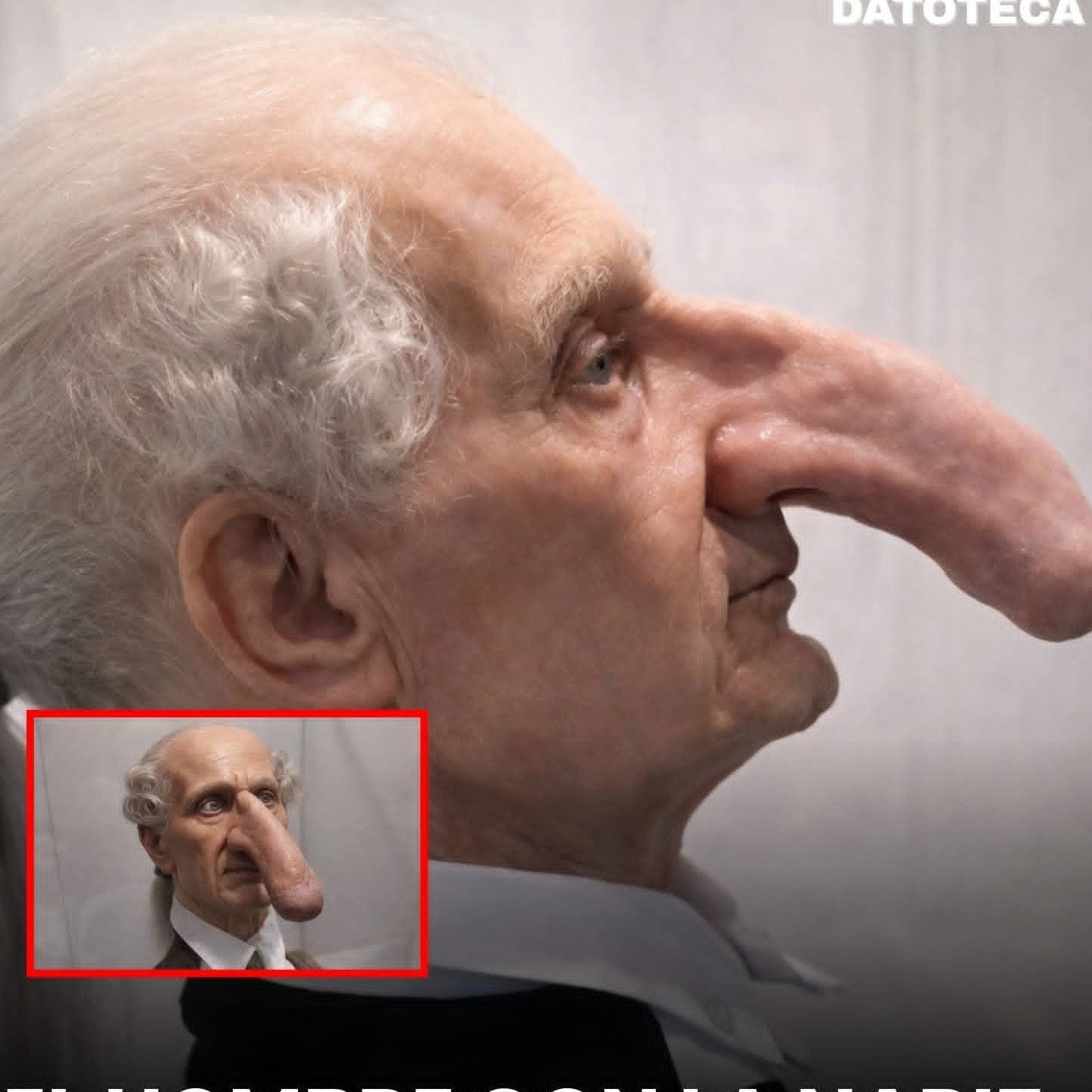
One such example often discussed in medical literature involves gradual changes in facial features, such as the nose becoming noticeably larger or more pronounced over time. While this may seem like a purely cosmetic issue at first, in some cases it can be a sign of underlying hormonal, dermatological, or metabolic conditions that require medical attention.
This article explores how and why such changes happen, what they might mean, how doctors evaluate them, and why paying attention to your body’s subtle signals is essential for long-term health and well-being.
Understanding Gradual Physical Changes in the Human Body
The human body is constantly changing. From childhood to adulthood, growth is expected and well understood. But even after growth has stabilized, small changes continue throughout life.
Some of these are normal:
Skin elasticity gradually decreases with age
Facial structure subtly shifts over decades
Cartilage and soft tissue can change shape
Weight fluctuations affect facial appearance
However, there are also abnormal changes that may signal medical conditions. These changes are typically:
Progressive rather than sudden
Noticeable over weeks or months
Accompanied by other symptoms
Not explained by lifestyle or aging alone
When facial features like the nose, hands, or jaw begin to enlarge beyond normal expectations, doctors may investigate underlying causes.
Why Facial Features May Appear to Change Over Time
Facial appearance is influenced by many biological systems working together. Changes can be linked to:
1. Hormonal Imbalances
Hormones regulate growth, metabolism, and tissue repair. When hormone levels become disrupted, the body may respond in unexpected ways.
For example:
Excess growth hormone can lead to tissue enlargement
Thyroid disorders can affect skin texture and facial shape
Sex hormone changes may alter fat distribution
Hormonal conditions often develop slowly, making early symptoms easy to miss.
2. Genetic or Growth-Related Conditions
Some rare conditions affect bone and cartilage growth. These conditions may cause:
Gradual enlargement of facial bones
Widening of hands or feet
Changes in jaw structure
Coarsening of facial features
These changes are typically progressive and require medical diagnosis for confirmation.
3. Skin and Soft Tissue Conditions
Not all facial changes involve bones or hormones. Some involve the skin itself.
Examples include:
Chronic skin inflammation
Thickening of tissue due to long-term irritation
Acne-related complications
Rosacea-related changes
These conditions may alter the appearance of the nose or cheeks over time.
4. Age-Related Structural Changes
As people age:
Collagen production decreases
Skin becomes less firm
Gravity affects soft tissue positioning
Fat distribution changes
These normal processes can sometimes be mistaken for medical conditions.
5. Chronic Medical Conditions
Certain long-term illnesses may also affect appearance indirectly:
Endocrine disorders
Metabolic syndromes
Long-term medication effects
Inflammatory diseases
These require professional evaluation to understand their impact.
A Closer Look at Gradual Nose Enlargement
One of the most noticeable and concerning facial changes for many people is gradual enlargement of the nose. While often harmless, it can sometimes be associated with underlying conditions.
Possible Causes
1. Hormonal Growth Disorders
In rare cases, excess production of growth-related hormones can lead to:
Enlargement of the nose
Widening of facial features
Increase in hand or foot size
Jaw changes
These conditions typically develop slowly and require medical testing for diagnosis.
2. Skin Tissue Thickening
Conditions affecting the skin can lead to:
Thickened nasal tissue
Redness or inflammation
Changes in texture or shape
This may occur over months or years.
3. Chronic Inflammatory Skin Conditions
Some inflammatory conditions can gradually alter the appearance of the nose, including:
Persistent redness
Swelling
Tissue overgrowth in severe cases
4. Environmental and Lifestyle Factors
In some cases, external factors may contribute to changes in facial appearance:
Sun exposure over long periods
Smoking
Alcohol-related vascular changes
Poor skincare habits
While these do not usually cause structural enlargement, they can affect skin quality and shape perception.
When Should You Be Concerned?
Not every change is dangerous. However, certain signs should prompt medical evaluation.
Warning signs include:
Noticeable enlargement of facial features over time
Changes in hands, feet, or jaw size
Persistent headaches
Vision changes
Fatigue or weakness
Skin thickening or unusual texture changes
If multiple symptoms occur together, it is especially important to consult a healthcare professional.
The Importance of Early Diagnosis
Early medical evaluation is crucial because many conditions are easier to manage when detected early.
Doctors may use:
Blood tests to check hormone levels
Imaging scans to assess internal structures
Physical examinations over time
Dermatological evaluations
Specialist referrals (endocrinology, neurology, dermatology)
Early diagnosis can:
Prevent progression of symptoms
Improve treatment outcomes
Reduce complications
Provide peace of mind
Emotional and Psychological Impact of Physical Changes
Physical changes do not only affect the body—they also affect mental and emotional well-being.
People experiencing visible changes may feel:
Anxiety about appearance
Stress about health uncertainty
Reduced self-confidence
Social discomfort
Fear of underlying illness
It is important to recognize that emotional reactions are natural and valid. Support from family, friends, and healthcare providers plays a key role in coping with such changes.Healthy meal plans
The Role of Communication in Personal Relationships
Health concerns can sometimes affect relationships, especially when changes are misunderstood or not openly discussed.
In any close relationship—whether marriage or partnership—communication is essential.
Healthy communication includes:
Sharing concerns honestly
Avoiding assumptions
Supporting each other during medical evaluations
Seeking professional help together when needed
Building trust through transparency
When physical or emotional changes occur, misunderstandings can arise. Open dialogue helps prevent unnecessary stress and strengthens relationships during difficult times.
Medical Perspective: Why Self-Diagnosis Can Be Misleading
With access to online information, many people try to self-diagnose symptoms. However, this can often lead to confusion or unnecessary fear.
For example:
A harmless skin change may be mistaken for a serious disease
Normal aging may be interpreted as a medical condition
Rare conditions may be assumed without evidence
Doctors emphasize that only professional evaluation can confirm a diagnosis.
Common Conditions Associated with Facial Changes
Below are some medically recognized conditions that may involve gradual facial changes. This is for educational awareness only.
1. Hormonal Growth Disorders
These conditions affect hormone regulation and may cause gradual tissue enlargement.
2. Thyroid Disorders
Thyroid imbalances can influence metabolism, skin texture, and facial appearance.
3. Dermatological Conditions
Chronic skin conditions may change texture and shape over time.
4. Genetic Conditions
Rare disorders may affect bone growth and facial structure.
5. Medication Side Effects
Some long-term medications may contribute to swelling or tissue changes.
Treatment and Management Options
Treatment depends entirely on the underlying cause.
Possible approaches include:
Hormone regulation therapy
Medication adjustments
Dermatological treatments
Surgical intervention in specific cases
Lifestyle modifications
Regular monitoring
Doctors always tailor treatment to individual needs.
Preventive Health Practices
While not all conditions are preventable, general health practices can support early detection and overall well-being:Healthy meal plans
Regular medical check-ups
Monitoring physical changes over time
Maintaining a healthy diet
Managing stress levels
Avoiding harmful substances
Practicing good skincare habits
Awareness is one of the strongest tools in preventive health.
Why Awareness Matters
Understanding your body is essential. Many serious conditions begin with small, almost unnoticeable changes. Recognizing these early signs does not mean assuming the worst—it means being proactive and responsible about health.
Awareness helps people:
Seek help sooner
Reduce anxiety through clarity
Improve long-term outcomes
Maintain better overall wellness
Conclusion: Listening to the Body’s Subtle Signals
The human body communicates in quiet ways. Gradual changes in appearance, such as facial structure or skin texture, should not automatically cause alarm—but they should not be ignored either.
Most importantly:
Not all changes are dangerous
Some are part of natural aging
Some may require medical attention
Only professionals can determine the cause
By staying informed and attentive, individuals can take proactive steps toward better health while avoiding unnecessary fear.
Ultimately, the key message is simple:
Your body is always communicating with you. Learning to listen carefully—and seeking professional advice when needed—is one of the most important parts of maintaining lifelong health and well-being.