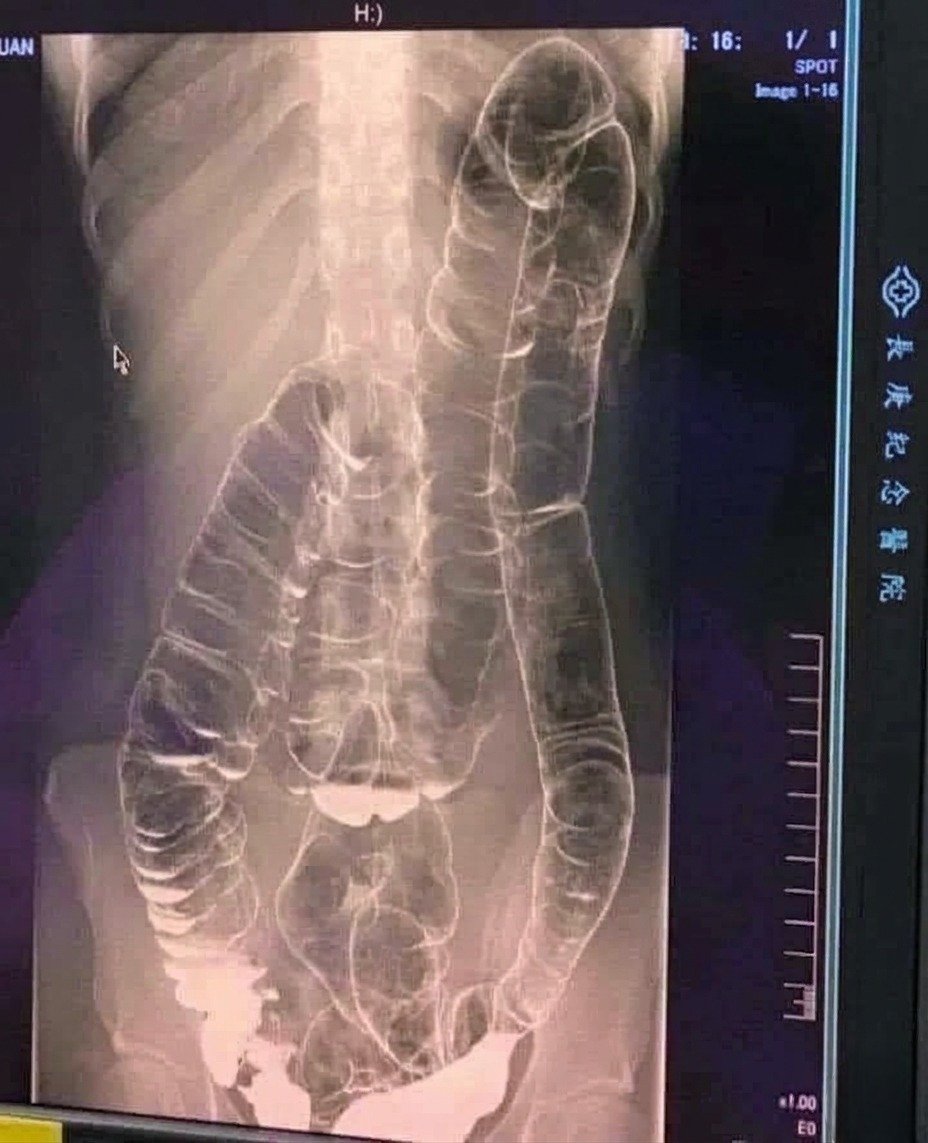
Severe constipation is often dismissed as a minor issue, usually linked to dehydration, stress, diet, or inactivity, and in most cases it resolves without lasting problems. However, when bowel movements stop for extended periods, pressure, gas, and waste can build up in the intestines, sometimes leading to serious complications like toxic megacolon.
Unlike ordinary constipation, toxic megacolon is a life-threatening condition where the colon becomes inflamed, enlarged, and unable to function properly. It often develops due to underlying conditions such as ulcerative colitis, Crohn’s disease, or infections like Clostridioides difficile infection, rather than constipation alone.
As the colon expands, blood flow can become restricted, increasing the risk of tissue damage or rupture. A perforation can allow bacteria to spread into the abdomen, potentially leading to severe infection or sepsis.
Warning signs go beyond typical constipation symptoms. Severe abdominal swelling, intense pain, fever, nausea, vomiting, and the inability to pass stool or gas are major red flags. Additional symptoms may include rapid heart rate, dehydration, and confusion.
Because early symptoms can resemble common digestive issues, people may delay seeking help, relying on laxatives or home remedies while the condition worsens internally.
Treatment typically requires hospitalization, where doctors focus on stabilizing the patient, reducing inflammation, and preventing complications. This may include IV fluids, antibiotics, and medications to control inflammation, while severe cases may require surgery.
Preventive measures include staying hydrated, eating fiber-rich foods, maintaining physical activity, and monitoring any persistent digestive changes, especially for those with underlying conditions.
Recognizing when symptoms escalate beyond ordinary constipation is critical, as early medical attention can prevent serious and potentially life-threatening outcomes.
Website Disclaimer
The information provided on this website is for general informational and educational purposes only. While we strive to ensure that all content is accurate and up to date, we make no guarantees regarding the completeness, reliability, or accuracy of any information published.
The views and opinions expressed in articles belong to their respective authors and do not necessarily reflect the views of this website. Any action you take based on the information found on this website is strictly at your own risk. We will not be liable for any losses, damages, or inconveniences arising from the use of our content.
Some articles may contain opinions, third-party information, or external links. We do not endorse or guarantee the accuracy of content on external websites and are not responsible for their practices or policies.
All content on this website is provided in good faith and is intended for informational purposes only. Readers are encouraged to verify information independently and seek professional advice where appropriate.