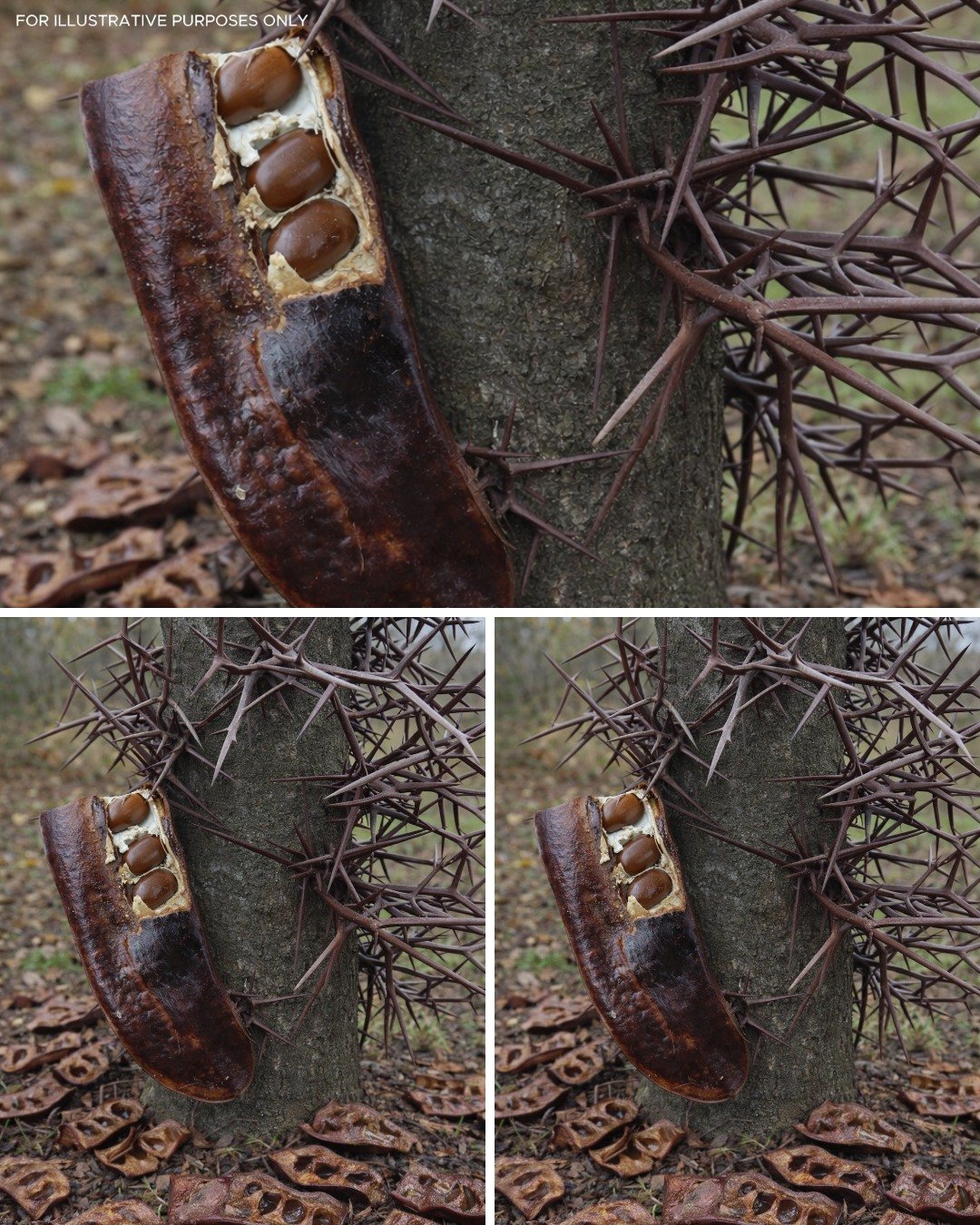
Often overlooked as just another shade tree, the honey locust (Gleditsia triacanthos) quietly holds a long history of practical utility and natural benefits. Native to North America—primarily the moist fertile soils of the Mississippi Valley—this hardy tree has supported people for generations, providing food, materials, and even traditional remedies. While modern life has pushed it into the background, the honey locust remains a powerhouse of versatility for those who know how to use it wisely.
A Natural Sweetener and Food Source
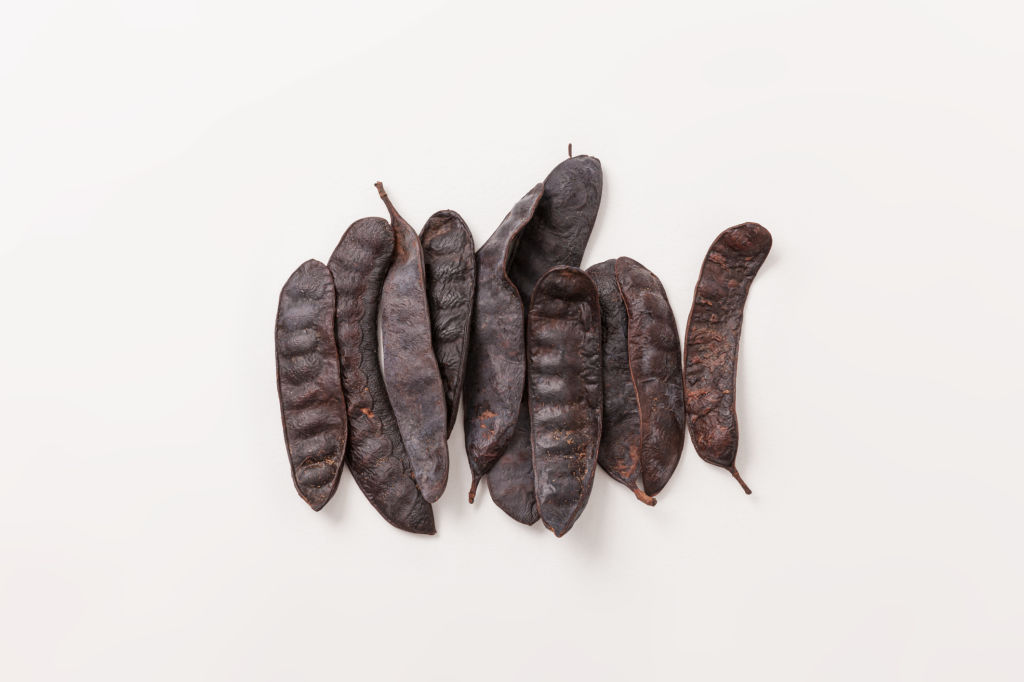
One of the most notable features of the honey locust tree is its long, twisting seed pods. These dark, leathery pods contain a thick, succulent pulp that is naturally sweet—the namesake of the tree.
Traditional Uses: Indigenous communities and early settlers chewed the raw pulp or used it to make syrups and fermented drinks.
The “Honey” in the Name: The sweetness comes from natural sugars, making it a valuable early alternative to refined sweeteners.
The Seeds: Beyond the pulp, the seeds themselves are rich in protein and were often roasted as a coffee substitute or ground into meal.
Exceptional Durability
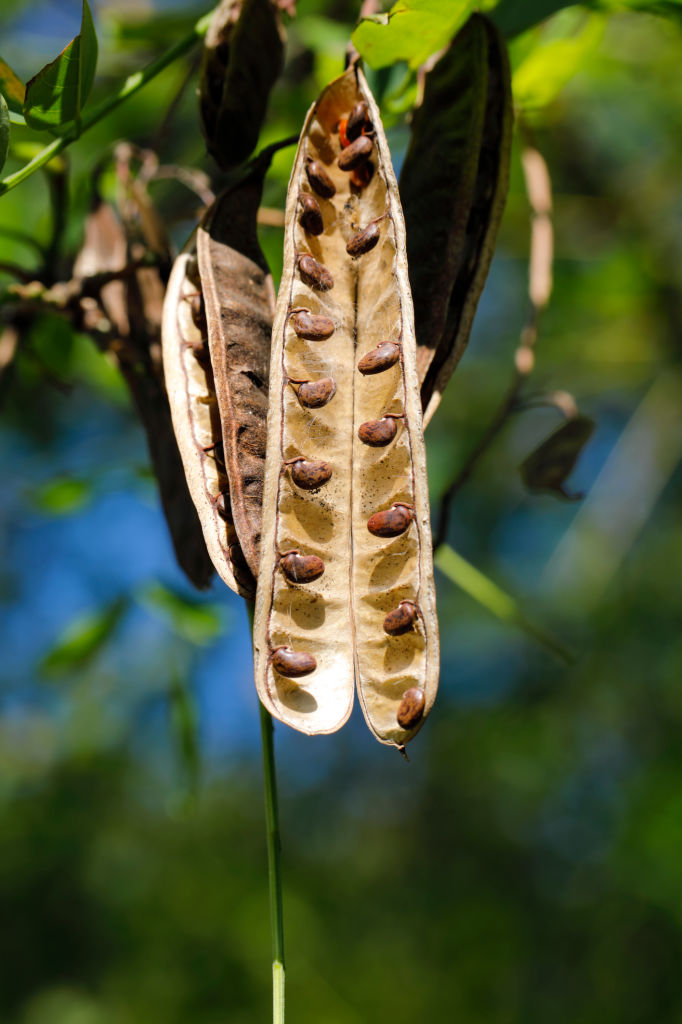
Beyond its culinary potential, the honey locust has been prized for its exceptionally strong, dense, and rot-resistant wood. Unlike many other hardwoods, honey locust wood is highly durable when in contact with soil.
Traditionally, the wood was the first choice for:
Fence posts and rails
Wheel hubs and tool handles
Railway ties and heavy construction
Its toughness and resistance to decay made it indispensable in outdoor settings where other woods would crumble within a few seasons.
Everyday Utility: Soap and Science
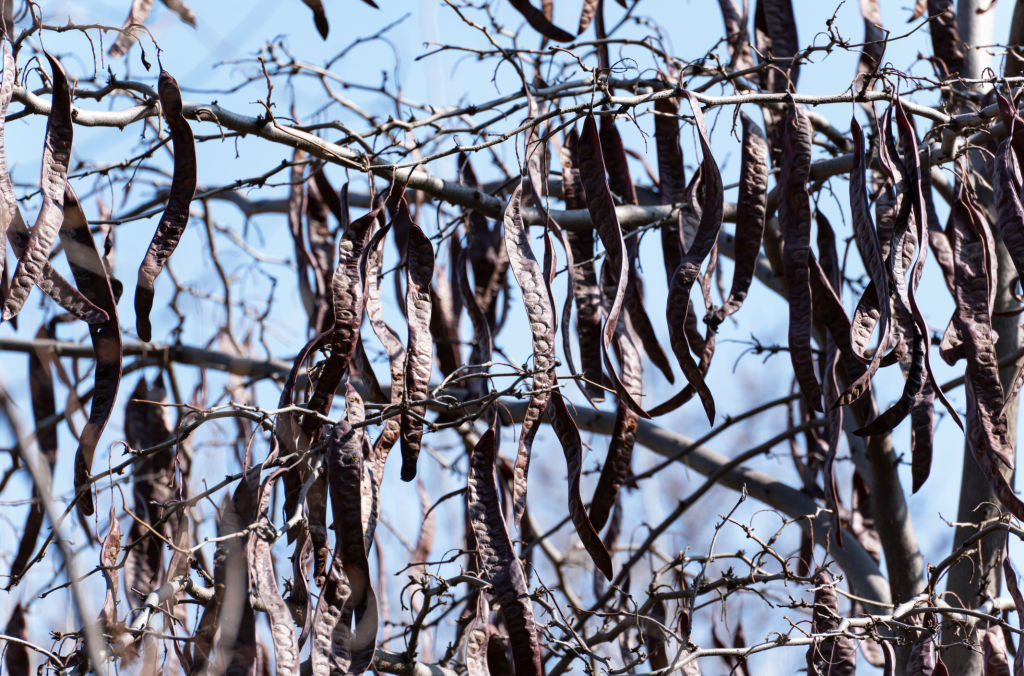
In traditional household settings, parts of the tree were often prepared as natural cleaners. The pods and bark contain saponins—natural chemical compounds that create a light lather when mixed with water. While largely forgotten today, this practice allowed early inhabitants to produce mild soaps directly from the landscape.
Environmental Impact and Wildlife
The honey locust plays a vital role in its ecosystem. It is a “light-demanding” species that provides dappled shade, allowing grass to grow beneath its canopy—a trait that makes it popular in urban landscaping.
Feature Environmental Benefit
Nitrogen Fixing While often debated, honey locusts are legumes that help improve soil health.
Wildlife Support Deer, squirrels, and rabbits rely on the high-energy pods during winter.
Pollination Small, fragrant greenish-yellow flowers draw massive numbers of honeybees.
A Note on Caution
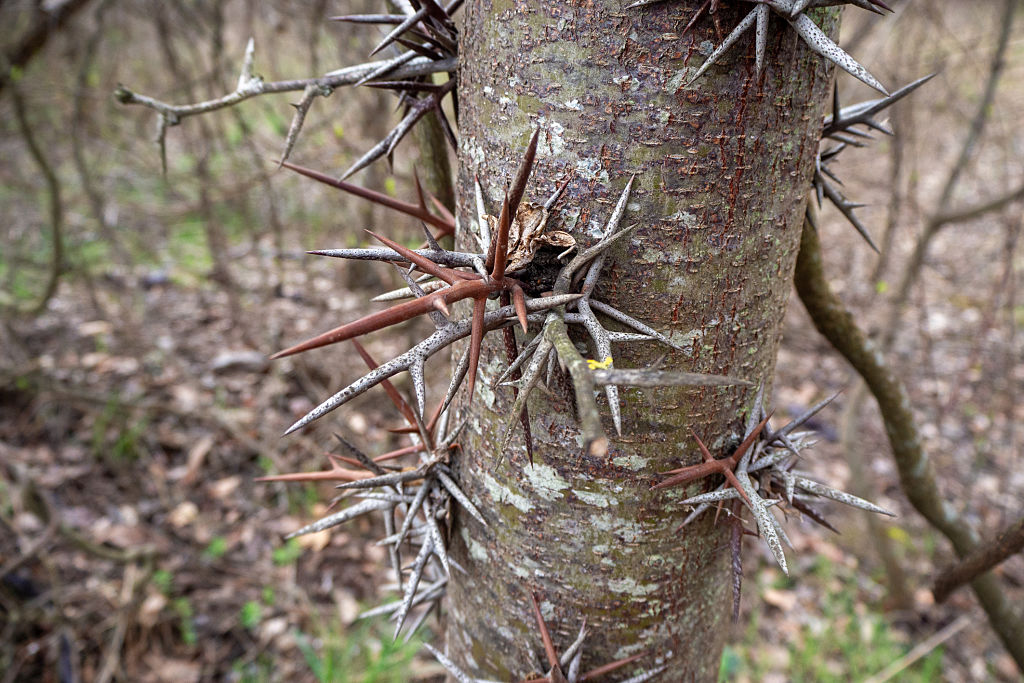
It is important to note that the “wild” version of the honey locust is famous for its formidable thorns. These thick, branched spikes can grow up to 8 inches long and were once used by settlers as pins or even nails. However, they can be dangerous if handled carelessly. Modern urban varieties (often labeled inermis) are bred to be thornless.
Additionally, while the pulp is sweet, any medicinal or dietary use should be approached with proper knowledge, as not all parts of the tree are intended for consumption.
Final Thoughts
The honey locust tree is a reminder that nature often hides its most useful gifts in plain sight. From its role as a pioneer species to its history as a literal “sugar tree,” this unassuming giant proves that powerful resources don’t always come with a label—they simply wait to be rediscovered.
Website Disclaimer
The information provided on this website is for general informational and educational purposes only. While we strive to ensure that all content is accurate and up to date, we make no guarantees regarding the completeness, reliability, or accuracy of any information published.
The views and opinions expressed in articles belong to their respective authors and do not necessarily reflect the views of this website. Any action you take based on the information found on this website is strictly at your own risk. We will not be liable for any losses, damages, or inconveniences arising from the use of our content.
Some articles may contain opinions, third-party information, or external links. We do not endorse or guarantee the accuracy of content on external websites and are not responsible for their practices or policies.
All content on this website is provided in good faith and is intended for informational purposes only. Readers are encouraged to verify information independently and seek professional advice where appropriate.