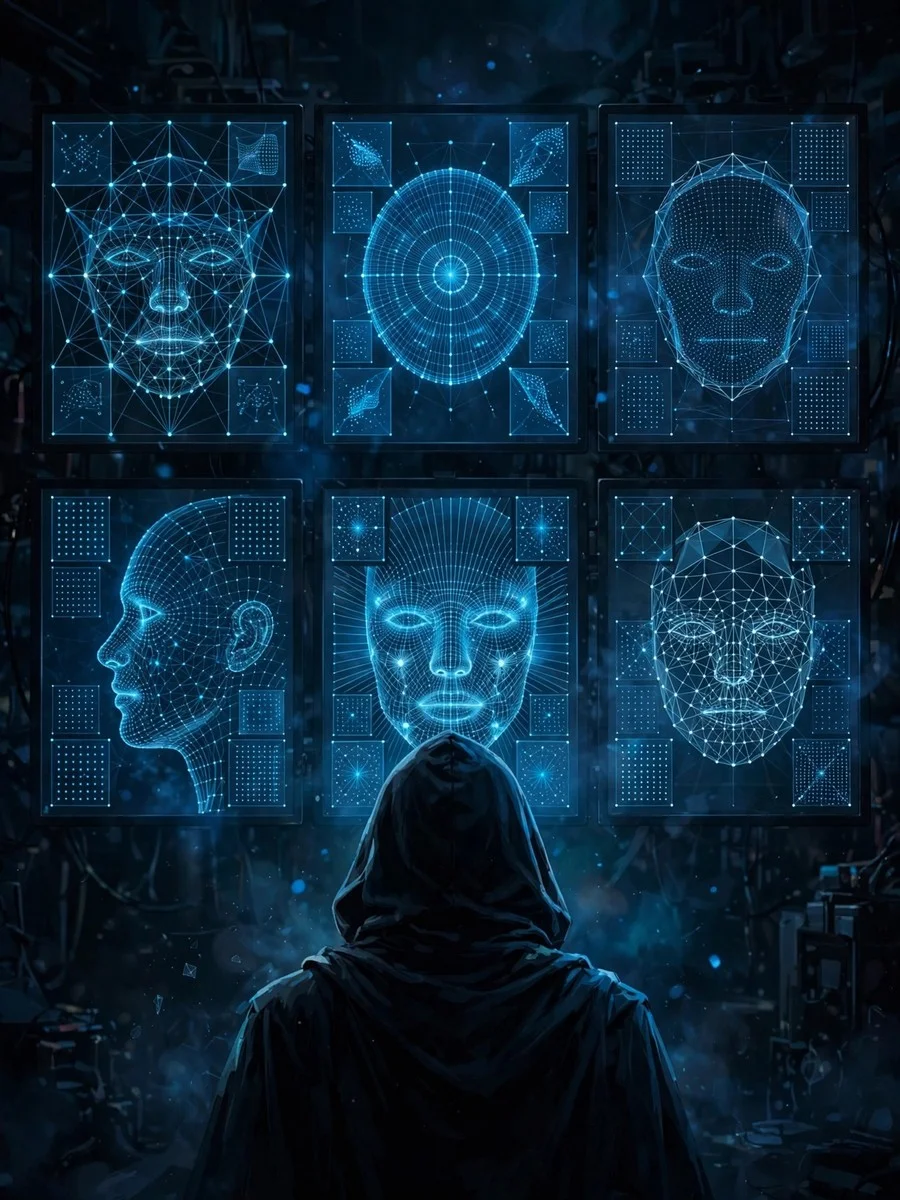
The FBI has warned cryptocurrency users about a sophisticated impersonation scheme that uses stolen video footage and deepfakes to trick people into installing malware during fake video meetings. The operation, codenamed FaceStealer, is linked to North Korean hackers and has been blamed for more than 400 million dollars in cryptocurrency theft over the past 18 months.
The warning came in an FBI advisory published on 12 November 2026, alongside action by the US Department of Justice to seize cloud infrastructure used to run the scheme. The bureau says the campaign aggressively targets companies and individuals in the cryptocurrency and Web3 industries, and that the stolen funds help finance North Korea’s weapons programme.
How the FaceStealer Scam Works
The attack begins with a meeting invitation that looks completely genuine, because it often comes from an account belonging to someone the target actually knows. Hackers first compromise a victim’s messaging accounts on services such as Telegram, LinkedIn, Slack or Discord, then use those accounts to invite the victim’s own contacts to a video call.
When the target joins, the call appears to show a familiar face. But the person on screen is not really there. The attackers play a secretly recorded webcam video of a previous victim, or use a deepfake video of a well-known figure in the crypto world, to build trust. The FBI says the scheme still mostly relies on genuine stolen recordings, with AI-generated deepfakes used as an extra layer of deception.
Then comes the trap. The attackers claim there is a technical problem, usually that the target cannot be heard, and offer a link or a command to fix it. That supposed fix installs malware on the victim’s computer. The malicious software can record keystrokes, capture screenshots, steal browser cookies that keep accounts signed in, and give the attackers ongoing access to the machine.
One Victim Leads to the Next
What makes FaceStealer especially dangerous is that every victim seeds the next attack. The moment a target clicks the fake meeting link, their own webcam feed starts being recorded. That footage can later be used to impersonate them in front of their friends and colleagues, and their hijacked accounts can be used to send the next round of invitations.
The FBI seized more than 900 victim webcam recordings under a federal warrant as part of the disruption. The bureau also reported that in several cases, money was stolen and accounts were hijacked months, or even more than a year, after the first infection, once wallet balances had grown. Open-source software developers are a particular target, because compromising them can open the door to attacks on the software used by millions of people. In one near-miss described by the FBI, a maintainer of a hugely popular JavaScript library was tricked during a fake meeting, and malicious code was staged before responders stepped in.
A Wider Crackdown
The FaceStealer disruption was announced alongside a separate, larger action. The Justice Department said it had seized and restrained more than 1.2 billion dollars in cryptocurrency stolen by a related group of North Korean military hackers, tracked as TraderTraitor, in the hack of the Binance exchange in late October. That group has been blamed for stealing more than 6 billion dollars in digital assets in total.
The FBI attributes FaceStealer to a North Korean hacking cluster known by several names in the security world, including BlueNoroff, APT38 and Sapphire Sleet.
How to Protect Yourself
The FBI’s advice is simple but important. Join meetings only through the official meeting app, using an invite code, and confirm any unexpected invitation through a different channel before joining. Never run a script, paste a command or install a so-called fix sent during a call, and wait until you can see, hear and genuinely communicate with the other person before turning your camera on.
Anyone who suspects they have been targeted should move their cryptocurrency to a new wallet created on a clean device, secure their messaging and developer accounts, warn their contacts and employer, and report the incident to the FBI’s Internet Crime Complaint Center, using the keyword FaceStealer. In a world where a familiar face on a video call can now be faked, a second of suspicion may be worth more than any security software.
Website Disclaimer
The information provided on this website is for general informational and educational purposes only. While we strive to ensure that all content is accurate and up to date, we make no guarantees regarding the completeness, reliability, or accuracy of any information published.
The views and opinions expressed in articles belong to their respective authors and do not necessarily reflect the views of this website. Any action you take based on the information found on this website is strictly at your own risk. We will not be liable for any losses, damages, or inconveniences arising from the use of our content.
Some articles may contain opinions, third-party information, or external links. We do not endorse or guarantee the accuracy of content on external websites and are not responsible for their practices or policies.
All content on this website is provided in good faith and is intended for informational purposes only. Readers are encouraged to verify information independently and seek professional advice where appropriate.