# Air Fryer Safety: Important Mistakes You Should Avoid in Your Kitchen
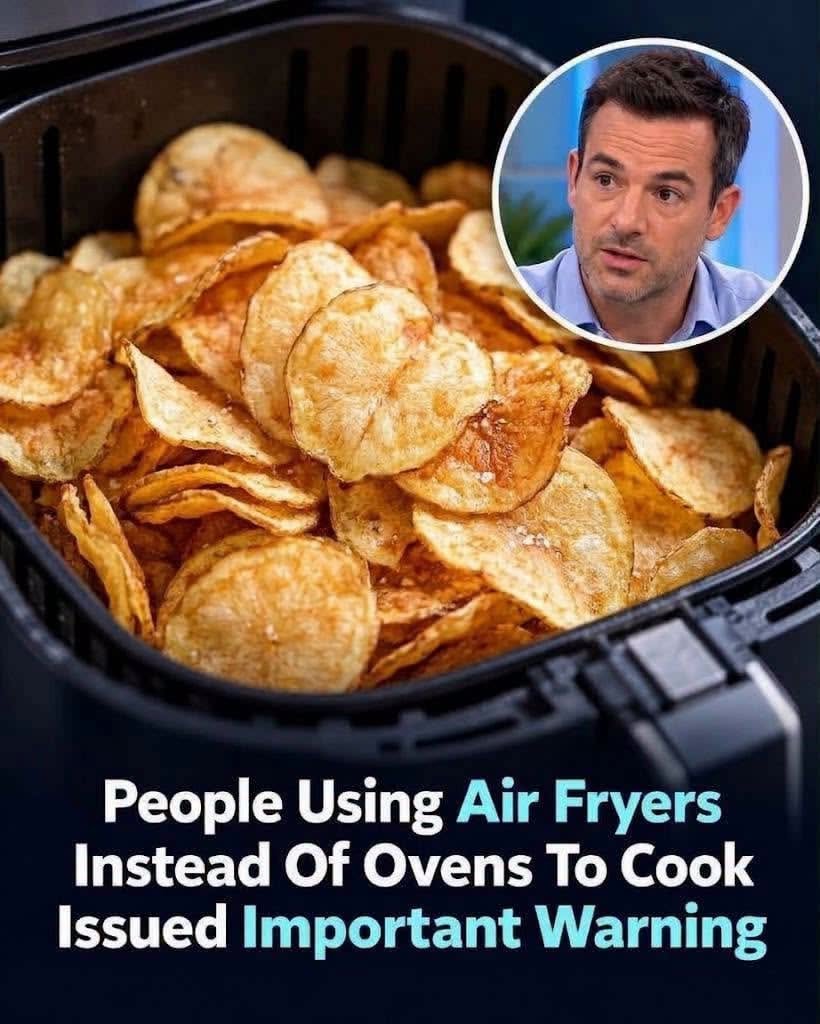
Air fryers have become a favorite in millions of kitchens, but experts recommend following a few important safety precautions when using them. Placing an air fryer too close to walls or curtains, overcrowding the basket, allowing grease to build up, or using damaged nonstick coatings can create avoidable risks. Cooking starchy foods at high temperatures may also produce acrylamide, so potatoes should be cooked until golden rather than dark brown. Remember that air-fried food is not automatically healthy, and chicken must reach an internal temperature of 165°F (74°C) to be safe to eat.
One of the most important safety rules is to give your air fryer enough space. These appliances release hot air through vents, and blocking those openings can cause overheating. Always place the fryer on a stable, heat-resistant surface and keep it away from cabinets, paper towels, plastic containers, and other objects that could catch fire. Avoid operating it directly beneath low-hanging cabinets or near curtains.
Another common mistake is filling the basket beyond its recommended capacity. Although it may be tempting to cook everything at once, overcrowding prevents hot air from circulating properly. This can leave some food undercooked while other portions become overly crispy. For better results, cook in smaller batches and shake or turn the food halfway through when appropriate.
Cleaning is equally important. Leftover oil, crumbs, and food particles can accumulate inside the basket and heating area. Over time, this buildup may produce smoke, unpleasant smells, and even increase the risk of fire. Allow the appliance to cool completely before cleaning it, and follow the manufacturer’s instructions. Never pour water directly into the electrical components or immerse the main unit in water.
You should also inspect the cooking basket regularly. If the nonstick coating begins peeling, flaking, or showing significant damage, stop using that basket and contact the manufacturer about a suitable replacement. Avoid metal utensils, steel wool, and harsh cleaning products that can damage protective surfaces.
Food temperature matters just as much as appliance safety. Chicken and other poultry should reach an internal temperature of 165°F (74°C), measured with a food thermometer. Do not rely entirely on the outside appearance because food can look perfectly cooked while remaining unsafe inside.
There is also an important nutritional consideration. Air frying generally requires less oil than traditional deep frying, but that does not automatically make every meal healthy. Highly processed frozen foods, heavily salted snacks, and foods containing excess saturated fat can still contribute to an unhealthy diet. Choosing fresh vegetables, lean proteins, and moderate portions can make air frying part of a more balanced eating routine.
Finally, never leave an air fryer running unattended for extended periods, especially when cooking foods that release significant amounts of grease. If you notice unusual smoke, burning smells, damaged electrical cords, or strange noises, switch the appliance off and unplug it when safe to do so.
The bottom line: Air fryers can be convenient, energy-efficient kitchen appliances when used correctly. A little attention to placement, cleaning, food preparation, and cooking temperatures can help prevent accidents and improve the quality of your meals.
A safer kitchen starts with small habits, and following these simple precautions can help you enjoy your favorite air-fried foods with greater confidence.
Website Disclaimer
The information provided on this website is for general informational and educational purposes only. While we strive to ensure that all content is accurate and up to date, we make no guarantees regarding the completeness, reliability, or accuracy of any information published.
The views and opinions expressed in articles belong to their respective authors and do not necessarily reflect the views of this website. Any action you take based on the information found on this website is strictly at your own risk. We will not be liable for any losses, damages, or inconveniences arising from the use of our content.
Some articles may contain opinions, third-party information, or external links. We do not endorse or guarantee the accuracy of content on external websites and are not responsible for their practices or policies.
All content on this website is provided in good faith and is intended for informational purposes only. Readers are encouraged to verify information independently and seek professional advice where appropriate.