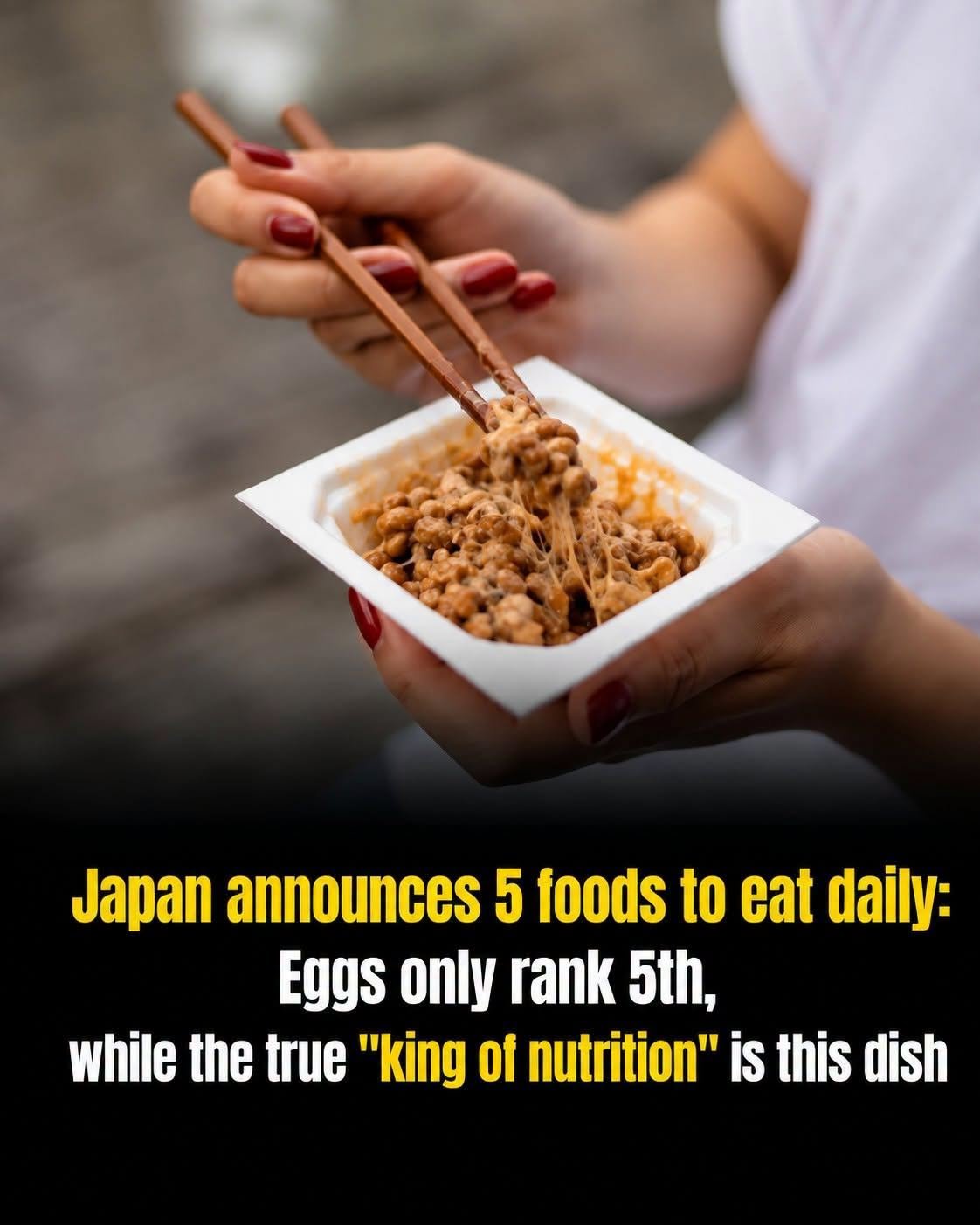
Japanese cuisine is known for balance, variety, and a focus on fresh, nutrient-rich ingredients. While eggs are a popular and healthy food in Japan, they are not considered the only key part of a traditional daily diet. Many Japanese eating habits focus on foods that provide steady nutrition, natural flavors, and long-term health benefits.
1. Fish — A Traditional Favorite
Fish is one of the most important foods in Japanese cuisine. Rich in protein and omega-3 fatty acids, fish such as salmon, sardines, and mackerel are commonly included in meals. These nutrients support heart health and overall well-being.
2. Fermented Foods — A Cultural Staple
Foods like miso, natto, and fermented vegetables have been part of Japanese diets for centuries. They contain beneficial bacteria that support digestion and are valued for their unique flavors and nutritional qualities.
3. Vegetables and Sea Vegetables
Japanese meals often include a variety of vegetables, along with seaweed such as wakame and nori. These foods provide important minerals, fiber, and antioxidants.
4. Rice — The Foundation of Meals
Rice has been a central part of Japanese cuisine for generations. It provides energy and is commonly served alongside fish, vegetables, and soups as part of a balanced meal.
5. Eggs — Nutritious but Not the Top Choice
Eggs are widely eaten in Japan and provide high-quality protein, vitamins, and minerals. They appear in dishes such as tamagoyaki and rice bowls, but they are only one part of a much broader food tradition.
The Japanese approach to eating is less about one “superfood” and more about balance: moderate portions, seasonal ingredients, and a wide variety of foods. This traditional style of eating is often associated with healthy aging and overall wellness.
Website Disclaimer
The information provided on this website is for general informational and educational purposes only. While we strive to ensure that all content is accurate and up to date, we make no guarantees regarding the completeness, reliability, or accuracy of any information published.
The views and opinions expressed in articles belong to their respective authors and do not necessarily reflect the views of this website. Any action you take based on the information found on this website is strictly at your own risk. We will not be liable for any losses, damages, or inconveniences arising from the use of our content.
Some articles may contain opinions, third-party information, or external links. We do not endorse or guarantee the accuracy of content on external websites and are not responsible for their practices or policies.
All content on this website is provided in good faith and is intended for informational purposes only. Readers are encouraged to verify information independently and seek professional advice where appropriate.