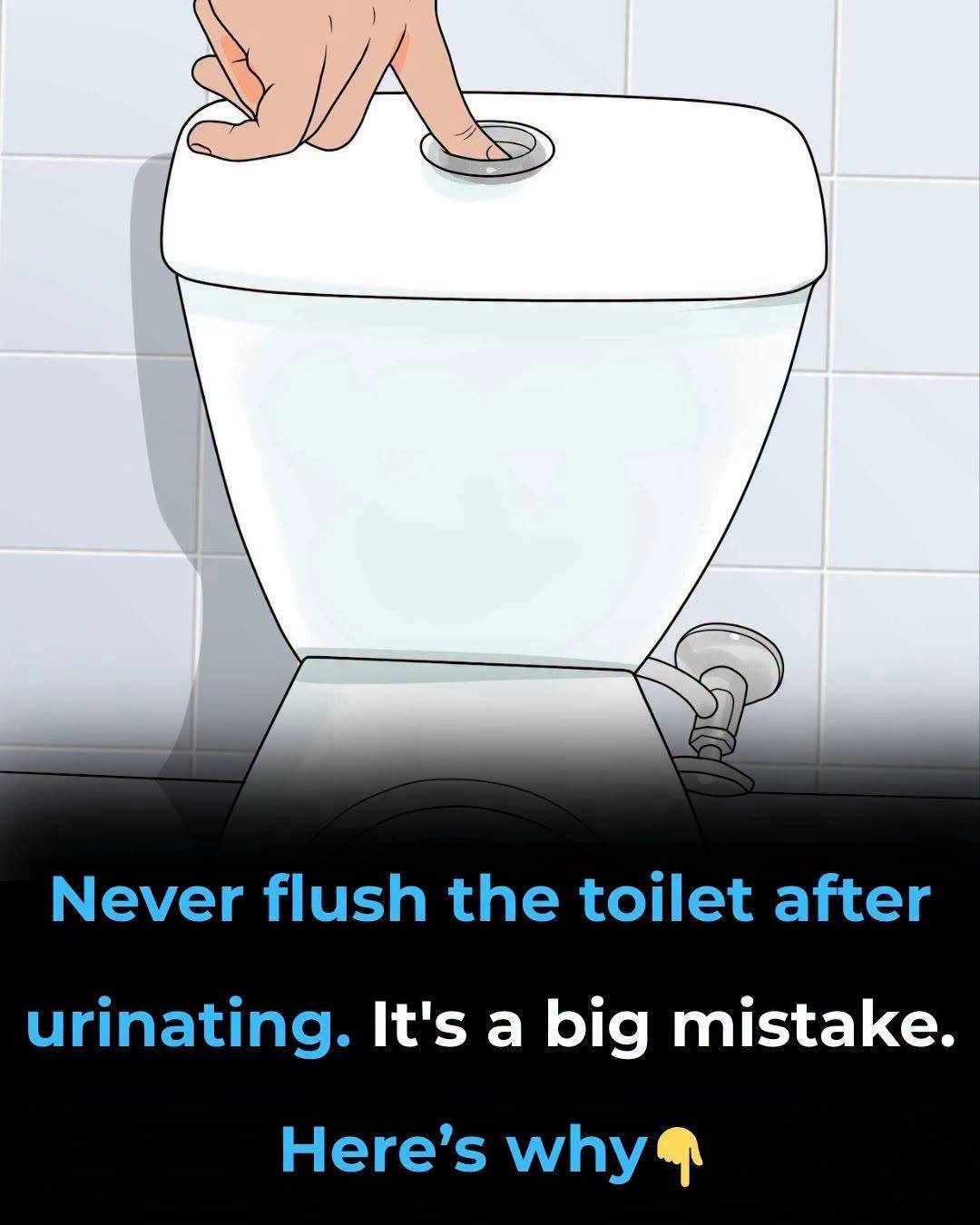
Many people have heard the phrase, “If it’s yellow, let it mellow; if it’s brown, flush it down.” While it may sound unusual at first, the idea has become a popular way to conserve water, especially in areas affected by drought or high utility costs. Since toilets account for a significant portion of household water use, reducing unnecessary flushing can save thousands of gallons of water each year.
A modern toilet can use anywhere from one to several gallons of water with every flush, depending on its design. In households where several people live together, flushing after every single trip to urinate can add up quickly. By occasionally delaying a flush when appropriate, some families reduce water consumption and lower their monthly utility bills while helping conserve an important natural resource.
However, this approach isn’t suitable for every situation. In homes with multiple occupants, warm climates, or limited bathroom ventilation, leaving urine in the toilet for long periods can lead to unpleasant odors and allow mineral deposits or stains to develop inside the bowl. Bathrooms used frequently may also require more regular flushing to maintain cleanliness.
Good hygiene remains the most important consideration. Public restrooms, shared bathrooms, healthcare facilities, and homes where someone has a urinary tract infection should always be flushed after every use. Regular cleaning of the toilet is also essential, regardless of how often it is flushed, to prevent bacteria, odors, and buildup.
Ultimately, the decision comes down to balancing water conservation with cleanliness and comfort. While skipping an occasional flush after urinating can reduce water use in some households, it should never come at the expense of proper hygiene or sanitation. Every home can choose the approach that best fits its needs while keeping both health and the environment in mind.
Website Disclaimer
The information provided on this website is for general informational and educational purposes only. While we strive to ensure that all content is accurate and up to date, we make no guarantees regarding the completeness, reliability, or accuracy of any information published.
The views and opinions expressed in articles belong to their respective authors and do not necessarily reflect the views of this website. Any action you take based on the information found on this website is strictly at your own risk. We will not be liable for any losses, damages, or inconveniences arising from the use of our content.
Some articles may contain opinions, third-party information, or external links. We do not endorse or guarantee the accuracy of content on external websites and are not responsible for their practices or policies.
All content on this website is provided in good faith and is intended for informational purposes only. Readers are encouraged to verify information independently and seek professional advice where appropriate.