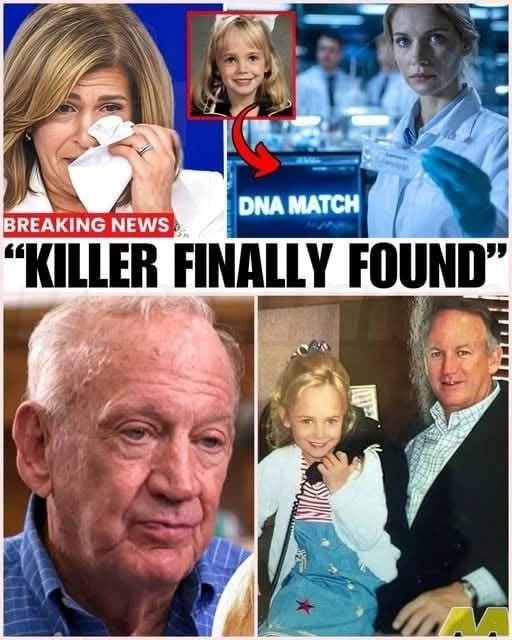
For nearly three decades, the unsolved murder mystery of JonBenét Ramsey has haunted America, dominated true crime documentaries, and fueled countless investigative reports. The six-year-old beauty queen’s death in December 1996 not only devastated her family but also became one of the most infamous cold cases in U.S. history.
On Christmas morning, JonBenét was found dead in the basement of her Boulder, Colorado home. That single discovery ignited a media storm that mixed speculation, sensational headlines, and conflicting theories. To this day, the case is remembered as a tragic failure of both law enforcement and criminal investigation techniques that should have delivered justice.
From the start, suspicion zeroed in on JonBenét’s parents, John and Patsy, as well as her older brother Burke. A bizarre ransom note, a compromised crime scene investigation, and the absence of forced entry created a narrative that seemed to implicate the family. National outlets broadcast the story relentlessly, framing the Ramseys as suspects despite their grief.
But as DNA testing evolved, evidence told another story. The genetic material found on JonBenét’s clothing excluded every Ramsey family member. Despite this, the stigma never fully disappeared. For decades, they lived under suspicion, while the real perpetrator remained free.
Website Disclaimer
The information provided on this website is for general informational and educational purposes only. While we strive to ensure that all content is accurate and up to date, we make no guarantees regarding the completeness, reliability, or accuracy of any information published.
The views and opinions expressed in articles belong to their respective authors and do not necessarily reflect the views of this website. Any action you take based on the information found on this website is strictly at your own risk. We will not be liable for any losses, damages, or inconveniences arising from the use of our content.
Some articles may contain opinions, third-party information, or external links. We do not endorse or guarantee the accuracy of content on external websites and are not responsible for their practices or policies.
All content on this website is provided in good faith and is intended for informational purposes only. Readers are encouraged to verify information independently and seek professional advice where appropriate.