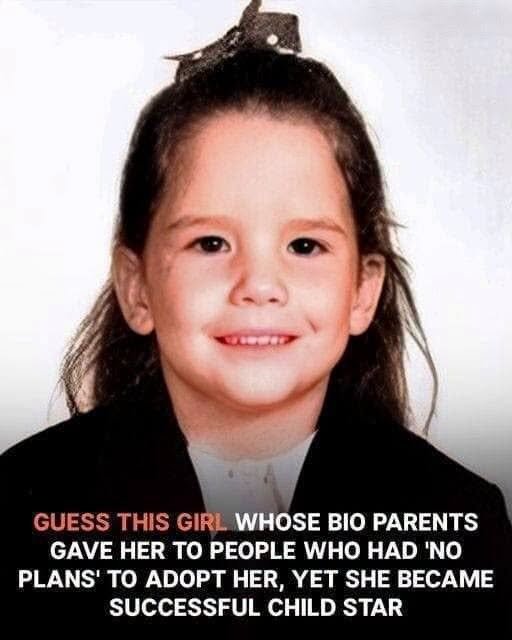
Melissa Gilbert became one of television’s most recognizable child actors as Laura Ingalls on Little House on the Prairie, but the family story behind her early success was complicated by adoption and secrets. She was born in Los Angeles in 1964 and placed with Barbara Crane and Paul Gilbert when she was only a day old. The couple had been pursuing fertility treatment and reportedly had not made a settled plan to adopt before the call came. Her biological parents were David Darlington and Kathy Wood. They were unable to raise another child while pursuing their own lives and placed…
Melissa Gilbert became one of television’s most recognizable child actors as Laura Ingalls on Little House on the Prairie, but the family story behind her early success was complicated by adoption and secrets. She was born in Los Angeles in 1964 and placed with Barbara Crane and Paul Gilbert when she was only a day old. The couple had been pursuing fertility treatment and reportedly had not made a settled plan to adopt before the call came.Family
Her biological parents were David Darlington and Kathy Wood. They were unable to raise another child while pursuing their own lives and placed the newborn for adoption. Melissa grew up with a more glamorous explanation of her origins. She was told that her biological father had been a Rhodes Scholar and her mother a prima ballerina, details she later learned were inaccurate. Her mother had been a dancer, while her father worked as a stock-car racer and sign painter.
The difference between tBarbara and Paul became the parents who raised her, and Melissa developed a particularly deep attachment to her adoptive father. The household introduced her to the entertainment world, and she began working while still young. In 1974, she took the role of Laura Ingalls Wilder on Little House on the Prairie. The series ran for years, and her performance from childhood into adolescence made her a household name.Pregnancy & Maternity
Behind the professional success, another family secret shaped her life. Paul died in 1976, when Melissa was still young. She was initially told that a stroke had caused his death. Years later, she learned that he had died by suicide. The discovery changed not only her understanding of the loss but also her trust in the story she had been given by the adults around her.
Melissa described a severe period of grief after learning the truth. She struggled to eat and sleep and eventually sought professional help. She also hired an investigator to understand the circumstances. Information she uncovered indicated that Paul had experienced serious physical pain and had previously threatened suicide while receiving medical treatment. Context could help explain his suffering, but it could not remove the pain of either the death or the years of concealment.
he family story and the facts mattered because adoption already creates questions about identity, belonging, and why adults made life-changing decisions. Embellishing the background may have been intended to protect a child or make the story easier to tell, but it also meant Melissa eventually had to reconsider information she had treated as part of herself. Her later openness about the subject reflects how family myths can continue affecting an adult.
Over time, Melissa forgave Barbara for withholding the truth. Forgiveness did not require calling the deception harmless. It allowed her to recognize that a parent may act from fear, grief, or a mistaken wish to protect a child while still causing lasting damage. Melissa later supported mental-health awareness and suicide-prevention work, using a private family wound to encourage more honest discussion and help for people in crisis.Family
Her acting career became the public counterpoint to the difficult beginnings. Little House on the Prairie aired from 1974 to 1983, and Laura’s energy, stubbornness, and growth helped anchor the family drama. Melissa continued acting and later wrote and spoke about her life, including adoption, fame, relationships, addiction, recovery, and the gap between a beloved television image and the complicated person behind it.
Calling her a child given up and then rescued by success would flatten the story. Adoption gave her a family, but that family contained love and painful secrecy at the same time. Biological ties explained part of her origin without replacing the parents who raised her. Fame offered opportunity but did not protect her from grief. Her life required integrating all of those truths rather than choosing only one.
Website Disclaimer
The information provided on this website is for general informational and educational purposes only. While we strive to ensure that all content is accurate and up to date, we make no guarantees regarding the completeness, reliability, or accuracy of any information published.
The views and opinions expressed in articles belong to their respective authors and do not necessarily reflect the views of this website. Any action you take based on the information found on this website is strictly at your own risk. We will not be liable for any losses, damages, or inconveniences arising from the use of our content.
Some articles may contain opinions, third-party information, or external links. We do not endorse or guarantee the accuracy of content on external websites and are not responsible for their practices or policies.
All content on this website is provided in good faith and is intended for informational purposes only. Readers are encouraged to verify information independently and seek professional advice where appropriate.