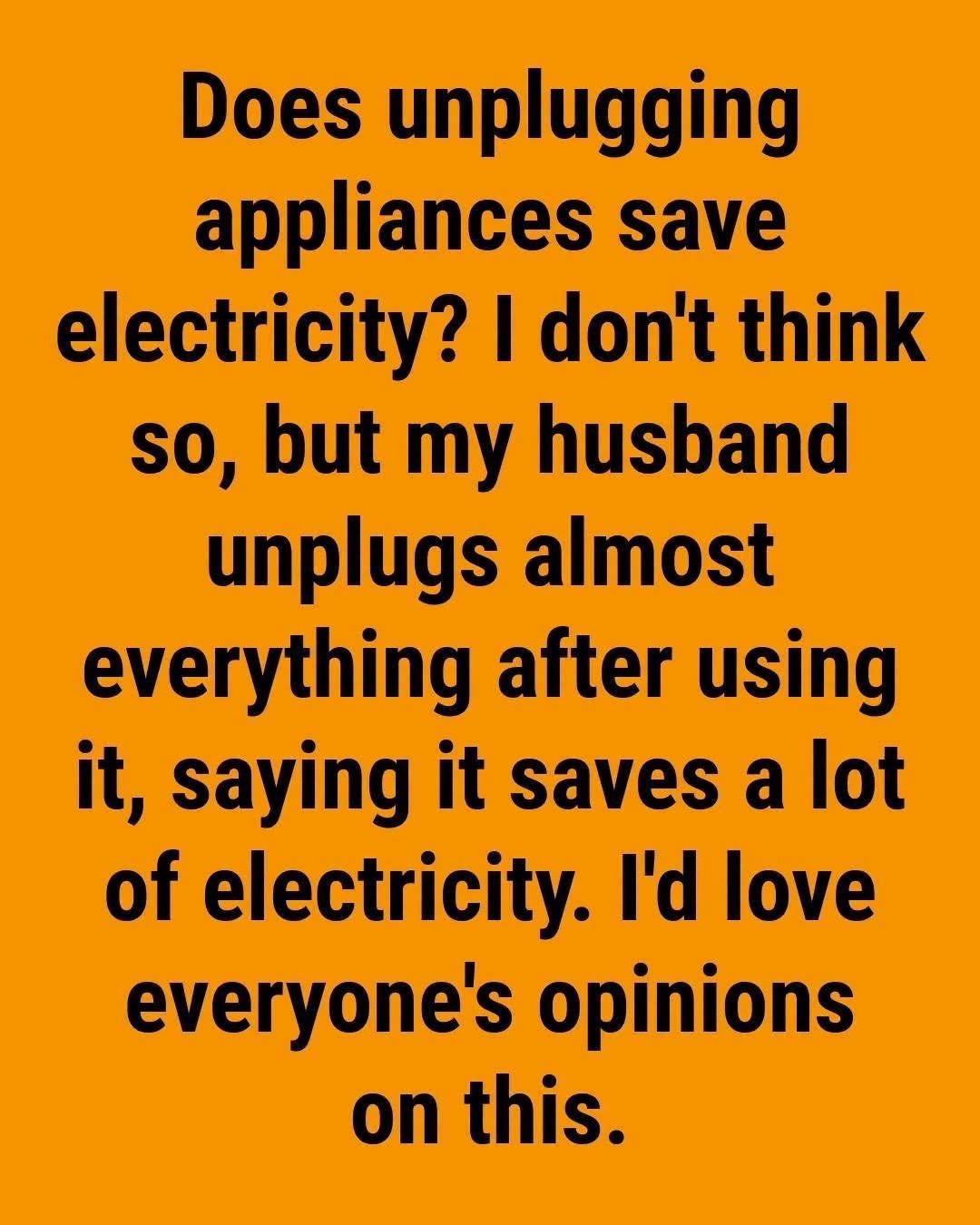
Unplugging appliances **can save electricity**, but the amount depends on the device. This hidden energy use is known as **”vampire power”** or **”phantom load,”** where electronics continue drawing small amounts of electricity even when turned off. Devices with digital clocks, remote sensors, standby modes, or external power adapters are the most common sources. While a single charger uses very little power, older TVs, gaming consoles, and desktop computers can consume much more over time. In fact, **”phantom load can account for up to 10% of a typical household’s electricity usage!”**
Reducing unnecessary energy use is also about peace of mind. Lower electricity bills can ease financial stress, helping people feel more in control of their household expenses. Simple habits, such as unplugging unused devices, can make a small but meaningful difference without requiring major lifestyle changes.
You do not need to unplug every appliance in your home. Instead, focus on the biggest energy users. **”Use Smart Power Strips”** for entertainment systems or computer desks so connected devices automatically shut off when the main device is turned off. Also, **”Unplug the ‘Obvious’ Culprits”** like phone chargers, coffee makers with digital clocks, and toaster ovens whenever they are not in use. However, **”Don’t Stress the Big Stuff”** such as refrigerators, freezers, washers, and other modern energy-efficient appliances that are designed to remain plugged in.
The key takeaway is that saving electricity does not require extreme effort. Understanding how standby power works allows you to make smarter choices, reduce waste, and lower your energy bill over time. As the article reminds readers, **”we don’t have to live in fear of our electric meters, nor do we have to resort to extreme measures.”** Small, consistent habits are often enough to make a noticeable difference.
Website Disclaimer
The information provided on this website is for general informational and educational purposes only. While we strive to ensure that all content is accurate and up to date, we make no guarantees regarding the completeness, reliability, or accuracy of any information published.
The views and opinions expressed in articles belong to their respective authors and do not necessarily reflect the views of this website. Any action you take based on the information found on this website is strictly at your own risk. We will not be liable for any losses, damages, or inconveniences arising from the use of our content.
Some articles may contain opinions, third-party information, or external links. We do not endorse or guarantee the accuracy of content on external websites and are not responsible for their practices or policies.
All content on this website is provided in good faith and is intended for informational purposes only. Readers are encouraged to verify information independently and seek professional advice where appropriate.