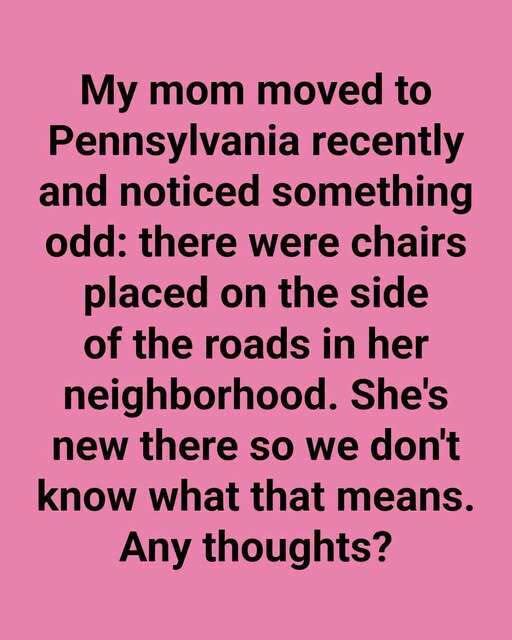
In many Pittsburgh neighborhoods, a worn-out lawn chair sitting alone in a snow-cleared parking space may look like forgotten furniture to visitors. To longtime residents, however, it represents something much more meaningful. After a heavy snowfall, finding street parking can become a daily challenge, and clearing a space often requires hours of physically demanding work. Without driveways or guaranteed parking, many people spend their mornings shoveling packed snow and thick layers of ice just to create a place to leave their vehicle.
Once the space is cleared, some residents place a lawn chair, traffic cone, crate, or another household object in the spot as an informal signal that they hope others will respect the effort they invested. While these markers have no legal authority, they have become part of a long-standing local tradition commonly known as “parking chair” season. The practice reflects an unwritten agreement that someone who spent considerable time digging out a parking space deserves the chance to use it, at least temporarily.
Legally, public streets belong to everyone, and municipalities generally do not recognize reserved parking spaces created with chairs or other objects. Anyone is technically allowed to park in an open public space once it has been cleared. Yet many Pittsburgh residents choose to honor the tradition anyway, preferring to avoid unnecessary disputes and maintain good relationships with neighbors.
The custom has sparked debate for years. Some argue that public parking should remain available to everyone regardless of who cleared the snow, while others believe respecting the hard work of fellow residents strengthens community spirit during difficult winter weather.
To outsiders, the sight of a lone chair guarding an empty parking space may seem unusual or even humorous. But for many Pittsburgh residents, it symbolizes more than parking—it represents effort, courtesy, and the quiet understanding that surviving winter is often easier when neighbors show one another a little extra respect.
Website Disclaimer
The information provided on this website is for general informational and educational purposes only. While we strive to ensure that all content is accurate and up to date, we make no guarantees regarding the completeness, reliability, or accuracy of any information published.
The views and opinions expressed in articles belong to their respective authors and do not necessarily reflect the views of this website. Any action you take based on the information found on this website is strictly at your own risk. We will not be liable for any losses, damages, or inconveniences arising from the use of our content.
Some articles may contain opinions, third-party information, or external links. We do not endorse or guarantee the accuracy of content on external websites and are not responsible for their practices or policies.
All content on this website is provided in good faith and is intended for informational purposes only. Readers are encouraged to verify information independently and seek professional advice where appropriate.